
Butter often appears in foods that contain gluten, from toast and pastries to restaurant sauces. That association can make answering “is butter gluten free” less straightforward than it initially seems.
The answer may depend on more than the basic product name. Different varieties, added ingredients, packaging labels, shared utensils, and preparation practices can all matter when choosing butter for a gluten-free diet.
1. Is Butter Gluten Free?
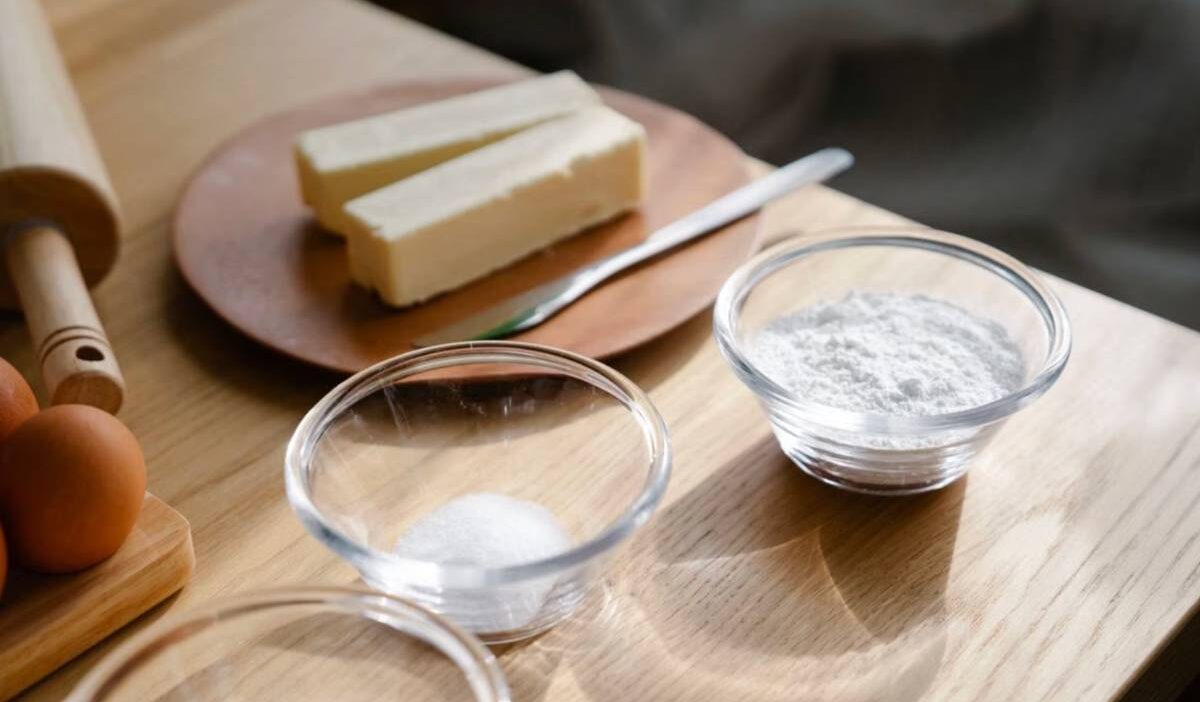
Plain butter is naturally gluten-free. It is generally made from cream and may also contain salt, neither of which contains gluten.
However, this does not mean that every product labeled as butter is automatically suitable.
Flavored butter, butter blends, reduced-fat spreads, and restaurant servings may contain added ingredients or encounter gluten during preparation.
2. Which Types of Butter Are Usually Gluten-Free?
The following varieties are usually gluten-free in their plain form:
- Unsalted butter: Typically contains only cream.
- Salted butter: Usually made from cream and salt.
- Cultured butter: Made by fermenting cream with bacterial cultures, which do not ordinarily introduce gluten.
- Whipped butter: Plain versions are generally gluten-free, although additional ingredients should be checked.
- Clarified butter: Produced by removing water and milk solids from butter.
- Ghee: A form of clarified butter that is generally free from gluten when no gluten-containing ingredients are added.
- European-style butter: Usually contains cream, cultures, and sometimes salt.
- Lactose-free butter: Removing or reducing lactose does not normally introduce gluten.
3. What Causes Gluten Contamination in Butter Products?
Plain packaged butter presents a relatively low gluten risk, but additional ingredients and handling practices can change that. Possible sources include:
- Added flavorings: Garlic butter, herb butter, cinnamon butter, and other flavored varieties may include seasoning blends or flavorings that require checking.
- Malt ingredients: Malt flavoring and malt extract are commonly derived from barley and are not gluten-free.
- Butter blends and spreads: These products may contain stabilizers, seasonings, or other ingredients not found in plain butter.
- Shared manufacturing equipment: A facility may produce butter products alongside items containing wheat, barley, or rye.
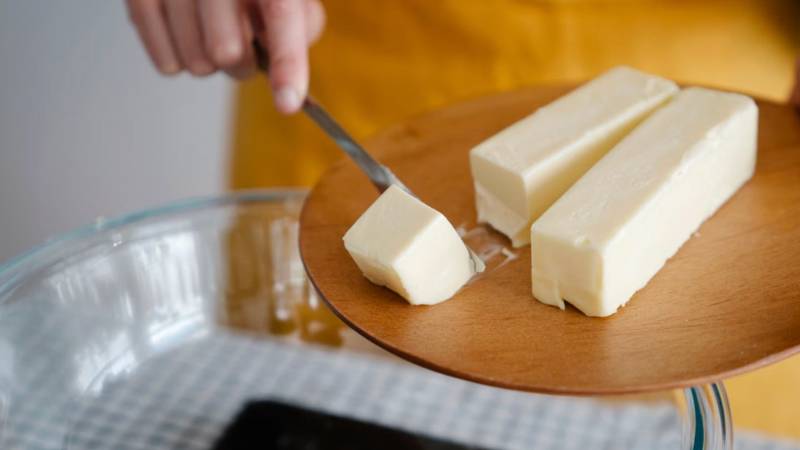
- Shared butter containers: A knife used on regular bread can leave crumbs in a butter dish or tub.
- Restaurant preparation: Butter may be mixed with sauces, seasonings, flour, or breadcrumbs before serving.
- Baking and cooking surfaces: Melted butter can pick up gluten when used on shared grills, pans, brushes, or worktops.
- Buffet service: Open butter containers and shared utensils increase the possibility of contact with bread or pastries.
>>> Read more: Is Cheese Gluten Free? Which Types Are Safe to Eat
4. How to Check Whether Butter Is Safe for a Gluten-Free Diet?
Plain butter may have a simple formula, but flavorings and shared utensils can change its suitability. Use this checklist:
- Choose plain butter with a short ingredient list, usually cream and optional salt.
- Look for a clear gluten-free claim when purchasing flavored butter or a butter blend.
- Check for wheat, barley, rye, malt, malt extract, or malt flavoring.
- Review seasoning blends and natural flavorings in compound butter.
- Do not assume that plant-based butter follows the same formula as dairy butter.
- Check precautionary statements about shared equipment or facilities.
- Recheck the label when buying a new flavor or when the packaging changes.
- Keep a separate butter dish or clearly marked container in a shared household.
- Use a clean knife rather than one that has touched regular bread.
- Ask restaurants whether the butter is plain or mixed with seasonings and sauces.
- Avoid communal butter containers with visible crumbs.
- Check the entire dish when butter is used in a sauce, topping, or cooked food.
A preliminary Children’s National Hospital study found less gluten transfer than expected in several shared-kitchen scenarios.
>>> Read more: Is Buckwheat Gluten Free? The Answer May Surprise You
5. Is Butter Safe for People With Celiac Disease?
Plain butter made from cream and optional salt is generally suitable for people with celiac disease. Gluten is found in wheat, barley, rye, and related grains rather than in milk fat.
The greater concern is what happens after other ingredients are added or the butter is opened. Flavored products may contain gluten, while a shared knife can carry bread crumbs into a family butter dish.
Butter contains milk and is therefore unsuitable for someone with a milk allergy. Some people with celiac disease may also experience temporary lactose intolerance, but this is a separate issue from gluten and should be discussed with a healthcare professional.
6. FAQs
Pure butter is naturally gluten-free, but cross-contact with breadcrumbs or added seasonings can change things. If you need a quick answer to is butter gluten free, check out our simple breakdown below.
Is salted butter gluten-free?
Usually, yes. Check that the ingredient list contains only cream and salt. Added flavors or seasonings require further review.
Is flavored butter gluten-free?
It depends on the formula. Garlic, herb, honey, or cinnamon butter may be gluten-free, but seasoning blends, malt ingredients, sauces, or shared manufacturing equipment can introduce risk.
Is restaurant butter safe for people with celiac disease?
Plain individually wrapped butter is generally a lower-risk option. Butter served in a communal dish or mixed with seasonings may encounter crumbs, shared utensils, or gluten-containing ingredients, so ask the restaurant before eating it.
Is ghee gluten-free?
Plain ghee is generally gluten-free because it is made by clarifying butter. Check flavored ghee and products with additional ingredients individually.
Is plant-based butter always gluten-free?
No. Plant-based butter may contain oils, thickeners, flavors, seasonings, or other additives. Read the complete ingredient list and look for a gluten-free claim rather than assuming that dairy-free also means gluten-free.
7. Conclusion
Plain butter is one of the simpler products to assess because its basic ingredients do not contain gluten.
For anyone asking “is butter gluten free?”, plain packaged butter is generally suitable, while flavored, plant-based, shared, and restaurant products need closer checking. Reading the label and keeping crumbs out of the container can make butter safer for a gluten-free diet.