
Cheese comes in many forms, from plain cheddar and mozzarella to flavored blocks, packaged slices, and creamy dips. That variety explains why is cheese gluten free is not always a simple question when you are checking a particular product.
Some labels require more attention than others, especially when the cheese contains seasonings, sauces, or other added ingredients. Below, we break down the common cheese types, possible sources of gluten, and label details worth checking before you eat.
1. Is Cheese Gluten Free? Quick Answer
Yes, most cheese is naturally gluten-free. Traditional cheese is made from simple ingredients such as milk, bacterial cultures, enzymes, and salt, which do not contain gluten. Common varieties like cheddar, mozzarella, Swiss, Parmesan, and cream cheese are typically gluten-free when sold plain.
However, not all cheese products are automatically gluten-free. Gluten may be added through flavorings, seasonings, breaded coatings, sauces, or other mix-ins. Processed cheese products, cheese spreads, and specialty cheeses with added ingredients may require extra label checking.
The Celiac Disease Foundation also recommends reading the label whenever a packaged food is not clearly marked gluten-free. Plain cheese without added ingredients is generally considered a safe choice.
2. Which Types of Cheese Are Naturally Gluten-Free?
If you are wondering is cheese gluten free, most plain traditional cheeses are naturally gluten-free because they are made with simple ingredients such as milk, cultures, enzymes, and salt.
The main concern usually comes from added flavors, coatings, or processed ingredients.
Common gluten-free cheese options include:
- Cheddar: Plain cheddar is typically gluten-free. Smoked, flavored, or spreadable versions may contain additional ingredients that need checking.
- Mozzarella: Fresh and low-moisture mozzarella are generally gluten-free. Check pre-shredded varieties for added ingredients or seasonings.
- Parmesan: Traditional Parmesan is usually made with a simple recipe. Pre-grated blends may include extra additives or seasoning.
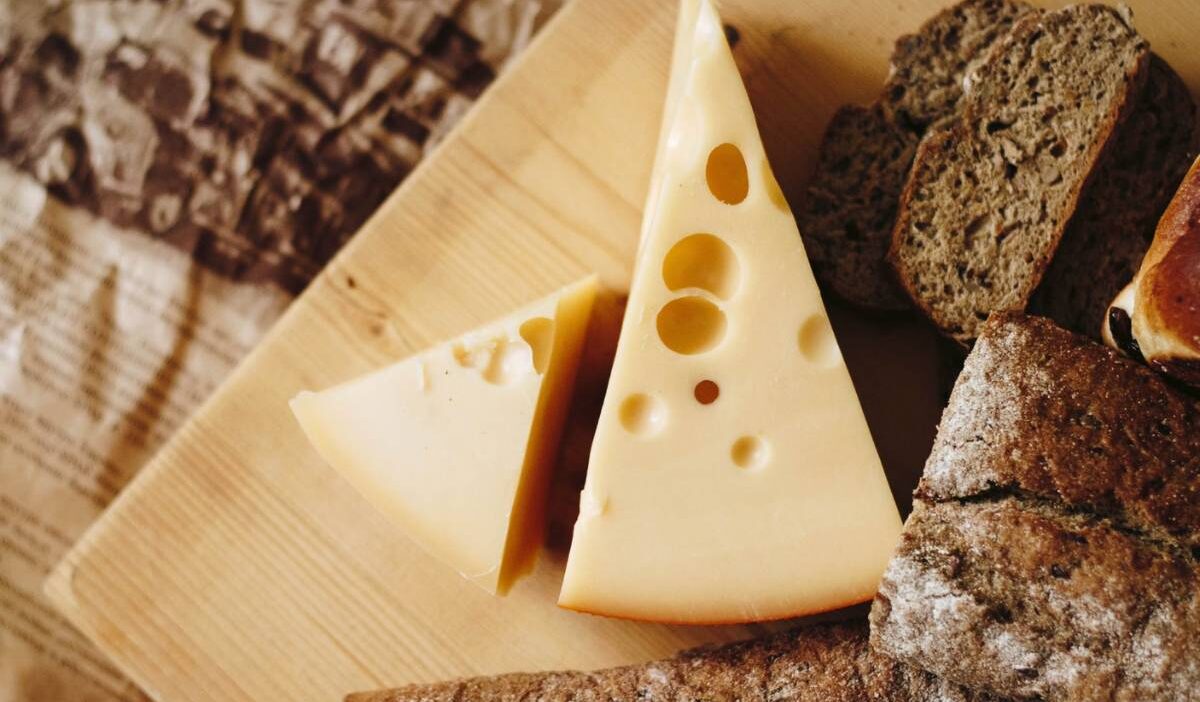
- Swiss: Plain Swiss cheese is generally gluten-free, while flavored or specialty versions should be reviewed.
- Brie: Traditional Brie is usually gluten-free, including its natural rind. Added toppings or flavored versions may change the ingredients.
- Feta and Goat Cheese: Plain varieties are typically gluten-free, but marinated or coated versions may include gluten-containing additives.
- Cream Cheese: Plain cream cheese is generally gluten-free, but flavored spreads can contain extra ingredients that vary by brand.
3. When Can Cheese Contain Gluten?
Although plain cheese is usually gluten free, the answer to is cheese gluten free can change when manufacturers add ingredients or when cross-contact occurs during production.
Common situations where cheese may contain gluten include:
- Added flavors and seasonings: Flavored cheeses may contain gluten from spice blends, coatings, smoke flavoring, or other additives.
- Thickeners and starches: Cheese sauces, dips, and spreads may use thickening agents that come from wheat or other gluten-containing ingredients.
- Beer-washed or beer-flavored cheese: Some varieties may contain barley from traditional beer ingredients unless they are made with gluten-free alternatives.
- Processed cheese products: Processing itself does not add gluten, but extra ingredients such as sauces, seasonings, or mix-ins may create a risk.
- Cross-contact: Shared equipment, surfaces, or utensils can introduce trace amounts of gluten, which is especially important for people with celiac disease.
Products labeled gluten-free must meet the FDA requirement of containing less than 20 parts per million (ppm) of gluten. However, naturally gluten-free foods do not always carry a gluten-free label, so checking the ingredient list is still important.
>>> Read more: Is Buckwheat Gluten Free? The Answer May Surprise You
4. Are Processed and Flavored Cheeses Gluten Free?
When asking is cheese gluten free, processed and flavored varieties require more attention because added ingredients can change the answer. The cheese itself may be gluten free, but seasonings, thickeners, or other mix-ins can introduce gluten.
- Shredded cheese: Usually gluten-free, but check labels for anti-caking agents and manufacturing practices if cross-contact is a concern.
- Cheese slices and spreads: Many plain options are gluten-free, but added flavors, starches, and stabilizers vary by brand.
- Cheese dips and sauces: These need extra caution because flour or gluten-containing thickeners may be used for texture.
- Flavored cheese and snack packs: Ingredients like beer, malt, bread crumbs, crackers, or seasoned coatings may contain gluten. Always check the full ingredient list rather than relying on the cheese type alone.
5. How to Check If Cheese Is Gluten Free
When you need to confirm is cheese gluten free, examine the complete product rather than relying only on the cheese variety. Use this checklist before buying:
- Read the ingredient list: Look for wheat, barley, rye, malt, brewer’s yeast, or ingredients derived from these sources.
- Check the allergen information: A “Contains: Wheat” statement identifies wheat, but it may not warn you about every possible source of gluten, such as barley or rye.
- Look for gluten-free labeling when needed: This can provide added confidence when purchasing processed cheese, dips, sauces, or heavily flavored products. Under FDA rules, foods using this label must contain less than 20 parts per million of gluten.
- Pay attention to flavorings and added ingredients: Check beer flavoring, malt, seasoning blends, crumb coatings, sauces, and thickeners rather than focusing on the cheese itself.
- Review cross-contact information: People with celiac disease should look for shared-equipment statements and consider contacting the manufacturer when production details are unclear.
6. Can People With Celiac Disease Eat Cheese?
Yes, people with celiac disease can generally eat plain cheese that contains no gluten ingredients and has not experienced unsafe cross-contact. Cheddar, mozzarella, Parmesan, Swiss, Brie, Gouda, feta, and plain goat cheese are common options.
More caution is necessary with cheese sauces, spreads, flavored varieties, deli-sliced cheese, and products prepared beside bread or crackers. At a deli, ask whether the slicer and preparation surface are shared with gluten-containing foods.
Celiac disease and lactose intolerance are separate conditions. Some people recently diagnosed with celiac disease may also have temporary difficulty digesting lactose, so digestive symptoms after eating cheese do not necessarily mean gluten was present. A medical professional can help identify the cause.
>>> Read More: How Long Do Grapes Last in the Fridge? Ultimate Storage Guide
7. FAQs
What cheeses are not gluten-free?
There is no fixed list because recipes differ by brand. When asking is cheese gluten free, pay closer attention to beer-washed cheese, crumb-coated varieties, cheese sauces, processed spreads, and products containing malt or wheat-based ingredients.
Which cheese is best for a gluten-free diet?
A plain cheese with a short ingredient list is often the simplest choice. Cheddar, mozzarella, Parmesan, Swiss, Gouda, feta, Brie, and goat cheese may all fit a gluten-free diet when their labels contain no concerning ingredients.
Can I eat cheese if I’m gluten-free?
Yes, most plain cheese can remain part of a gluten-free diet. Check packaged, flavored, processed, and prepared products individually because extra ingredients and handling practices can change their suitability.
8. Conclusion
For most shoppers, the answer to is cheese gluten free depends less on the cheese name and more on what has been added to it. Plain varieties are usually suitable, while sauces, spreads, beer-flavored products, and seasoned snacks deserve closer inspection.
Read the complete label and consider cross-contact whenever celiac disease requires stricter precautions.