
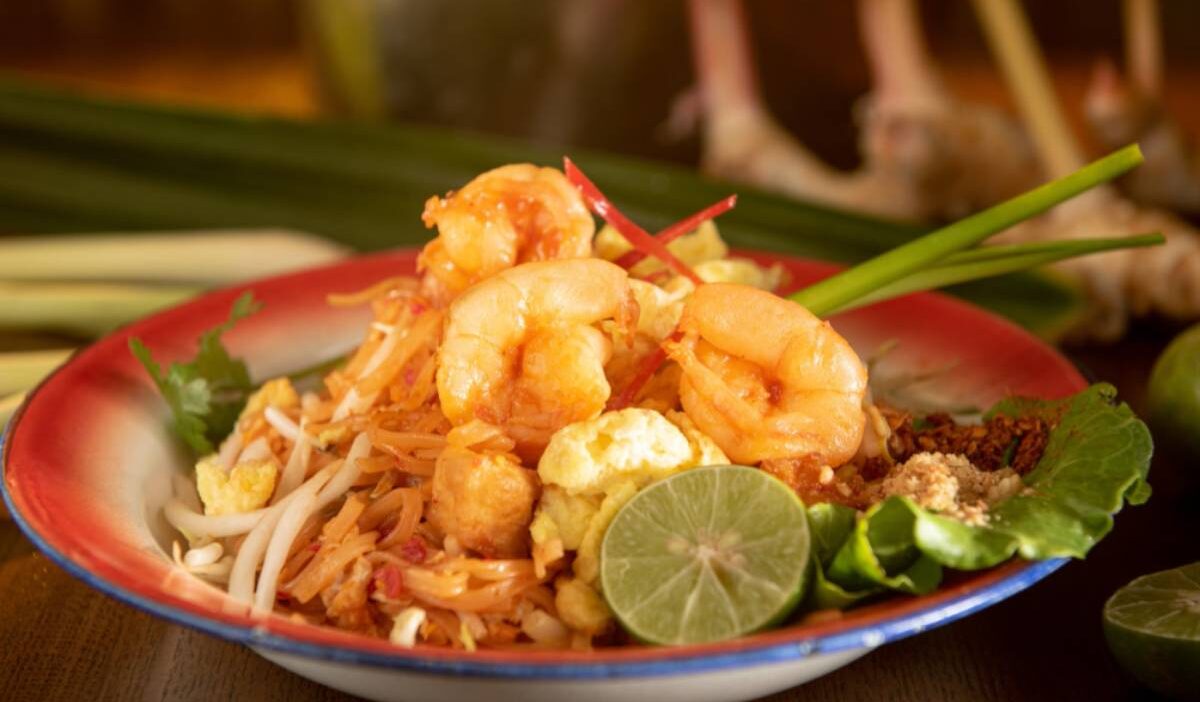
A bowl of Pad Thai may appear suitable for a gluten free diet because the dish starts with rice noodles. The uncertainty usually begins with everything added afterward, from premade sauce and marinated tofu to the wok used for several orders.
Anyone asking “Is Pad Thai gluten free?” therefore needs to look beyond the noodles. Ingredients and preparation can vary considerably between a traditional recipe, a restaurant kitchen, and a packaged meal, making a quick conversation with the cook especially important for people with celiac disease.
1. Is Pad Thai Gluten Free?
Traditional Pad Thai can be gluten-free because it typically contains rice noodles, eggs, vegetables, peanuts, and protein such as chicken, shrimp, or tofu. However, sauces and cooking methods can introduce gluten.
Common gluten sources include:
- Soy sauce: Regular varieties usually contain wheat.
- Oyster or Pad Thai sauce: Some products contain wheat-based ingredients.
- Marinated proteins: May contain soy sauce or gluten-based seasonings.
- Shared cooking equipment: Can cause gluten cross-contact.
For people with celiac disease, rice noodles alone do not guarantee a gluten-free meal. Always confirm the ingredients in the sauce and ask whether the restaurant can prevent cross-contact.
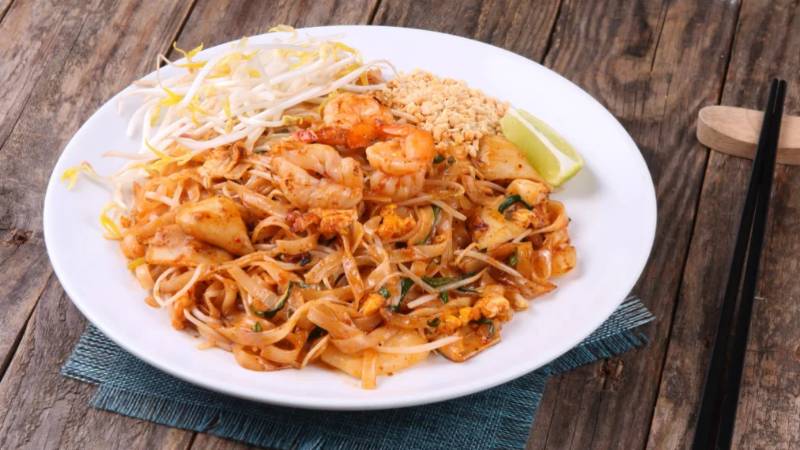
2. Which Pad Thai Ingredients Can Contain Gluten?
To determine is Pad Thai gluten free, pay particular attention to the noodles, sauce, and added proteins. Some ingredients are naturally gluten-free, while others may contain hidden gluten.
Rice Noodles
Traditional Pad Thai rice noodles are naturally gluten-free because they are typically made from rice flour and water.
However, some packaged noodles may contain wheat-based ingredients or experience gluten cross-contact during processing. Check the ingredient list and look for gluten-free labeling, especially if you have celiac disease.
Pad Thai Sauce
Is Pad Thai sauce gluten free? Traditional Pad Thai sauce can be gluten-free when made with tamarind, fish sauce, and sugar. However, restaurant and bottled versions may contain additional ingredients, including:
- Regular soy sauce containing wheat
- Certain oyster sauces or seasoning mixes
- Wheat-based thickeners or flavorings
Always verify the sauce ingredients rather than assuming every Pad Thai recipe is gluten-free.
Tofu, Protein, and Garnishes
Plain tofu, eggs, chicken, shrimp, and vegetables are naturally gluten-free. However, marinades, coatings, or seasonings may introduce gluten.
Watch for tofu marinated in regular soy sauce, wheat-coated meats, and crispy toppings containing flour. Shared frying oil or cooking equipment may also cause cross-contact.
Choose unseasoned proteins and fresh garnishes when possible, and confirm preparation methods before ordering.
3. Is Pad Thai Gluten Free at Restaurants?
Restaurant Pad Thai can be gluten-free, but its safety depends on the sauces, ingredients, and cooking methods used. Some restaurants add wheat-containing seasonings or prepare dishes on shared equipment.
Before ordering, follow these steps:
- Check the noodles: Confirm they are made without wheat ingredients.
- Verify the sauce: Ask about regular soy sauce, oyster sauce, and premade Pad Thai seasonings.
- Request clean equipment: Ask for a thoroughly cleaned wok, utensils, and preparation surfaces.
- Check toppings and marinades: Avoid ingredients that staff cannot confirm are gluten-free.
- Explain your dietary needs: If you have celiac disease, clearly communicate that even small amounts of gluten from cross-contact must be avoided.
How do I say gluten-free in Thai? These phrases may help:
- ไม่มีกลูเตน (mai mee gluten): No gluten.
- ฉันกินกลูเตนไม่ได้ (chan gin gluten mai dai): I cannot eat gluten (commonly used by female speakers).
- ผมกินกลูเตนไม่ได้ (phom gin gluten mai dai): I cannot eat gluten (commonly used by male speakers).
Always confirm that restaurant staff understand your requirements and can prepare the dish safely.
>>> Read more: Is Boba Gluten Free? Important Things to Know About Milk Tea
4. How to Order Gluten-Free Pad Thai Safely
When determining is Pad Thai gluten free at a restaurant, checking the menu alone isn’t enough. Here’s how to confirm the ingredients and preparation methods before placing your order.
- Verify the sauce: Ask whether it contains regular soy sauce, wheat-based seasonings, or unverified premade mixes.
- Check the noodles: Confirm they contain no wheat and are cooked separately from wheat noodles.
- Ask about proteins: Choose chicken, shrimp, egg, or tofu without gluten-containing marinades.
- Request clean equipment: Ask for a thoroughly cleaned wok, utensils, and preparation surfaces.
- Communicate your needs: If you have celiac disease, explain that avoiding gluten cross-contact is medically necessary.
If the restaurant cannot verify ingredients or accommodate your requirements, choose another dish or restaurant.
5. Is Thai Food Safe for Celiac Disease?
Yes, some Thai dishes can be safe for people with celiac disease when prepared with gluten-free ingredients and without cross-contact. However, not all Thai food is gluten-free, even when rice or rice noodles are the main ingredients.
Naturally gluten-free ingredients commonly used in Thai cooking include rice, coconut milk, fresh vegetables, and unseasoned meat or seafood.
Potentially suitable dishes include:
- Plain steamed rice: Naturally gluten-free when prepared separately.
- Thai curries: May be gluten-free if the curry paste and seasonings contain no gluten.
- Rice noodle dishes: Suitable when prepared with gluten-free sauces and clean equipment.
For people with celiac disease, the safest approach is to confirm ingredients and cross-contact precautions with restaurant staff before ordering.
>>> Read more: Is Buckwheat Gluten Free? The Answer May Surprise You
6. How to Make Gluten-Free Pad Thai at Home
The easiest way to answer is Pad Thai gluten free with confidence is to prepare it yourself. By choosing the right ingredients and using clean cooking equipment, you can enjoy homemade Pad Thai while reducing gluten risks.
Follow these steps:
- Choose gluten-free rice noodles: Look for plain rice noodles with a clear gluten-free label.
- Prepare the sauce: Combine tamarind, sugar, and gluten-free fish sauce. Use gluten-free tamari if your recipe calls for soy sauce.
- Add fresh ingredients: Choose plain chicken, shrimp, eggs, or tofu with bean sprouts and other fresh garnishes.
- Use clean equipment: Wash your wok, utensils, and preparation surfaces before cooking.
- Prevent cross-contact: Keep gluten-containing sauces and shared utensils away from your ingredients.
With these simple precautions, you can prepare flavorful Pad Thai suitable for a gluten-free diet.
When shopping for rice noodles or sauces, look for a clear gluten-free claim. According to the FDA’s gluten-free labeling guidelines, foods carrying this label must meet specific requirements, including containing less than 20 parts per million (ppm) of gluten.
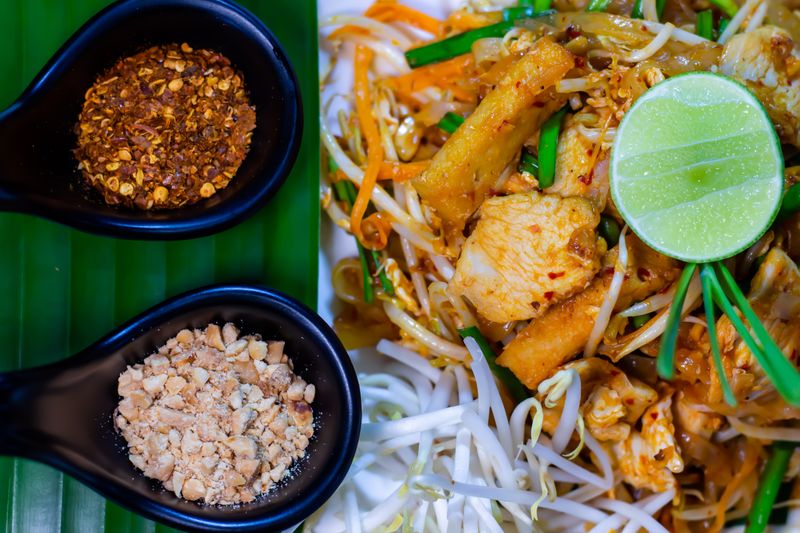
7. FAQs
What Thai food is not gluten-free?
Thai dishes containing regular soy sauce, oyster sauce, wheat noodles, battered fried foods, or unverified seasoning mixes may contain gluten. Recipes differ by restaurant, making the dish name alone an unreliable safety indicator.
What country is the most celiac friendly?
No official ranking identifies one country as the safest, although Italy is often recognized for widespread celiac awareness and regulated gluten free options. Individual restaurants and food handling practices still matter wherever someone travels.
What are the worst foods for gluten intolerance?
Foods made with wheat, barley, rye, malt, and regular soy sauce are common sources of gluten. Bread, pasta, beer, baked goods, breaded foods, gravies, and seasoned restaurant meals deserve particular attention.
8. Conclusion
Rice noodles give Pad Thai a naturally promising foundation, but sauces, marinated proteins, and shared cooking equipment can introduce gluten. Checking each component is more dependable than assuming the entire dish is safe.
At home, is Pad Thai gluten free becomes much easier to establish because every label and utensil remains under your control. At a restaurant, ask detailed questions and choose another meal when the kitchen cannot confirm its ingredients or prevent cross contact.