
Sake is made from rice, which naturally contains no gluten. But is sake gluten free across all types, including premium and regular varieties? While traditional sake is generally suitable for a gluten-free diet, added ingredients in certain products may raise concerns.
Here’s what you should know about sake ingredients, brewing methods, and the differences between premium and regular sake before choosing a bottle.
1. Is Sake Gluten Free?
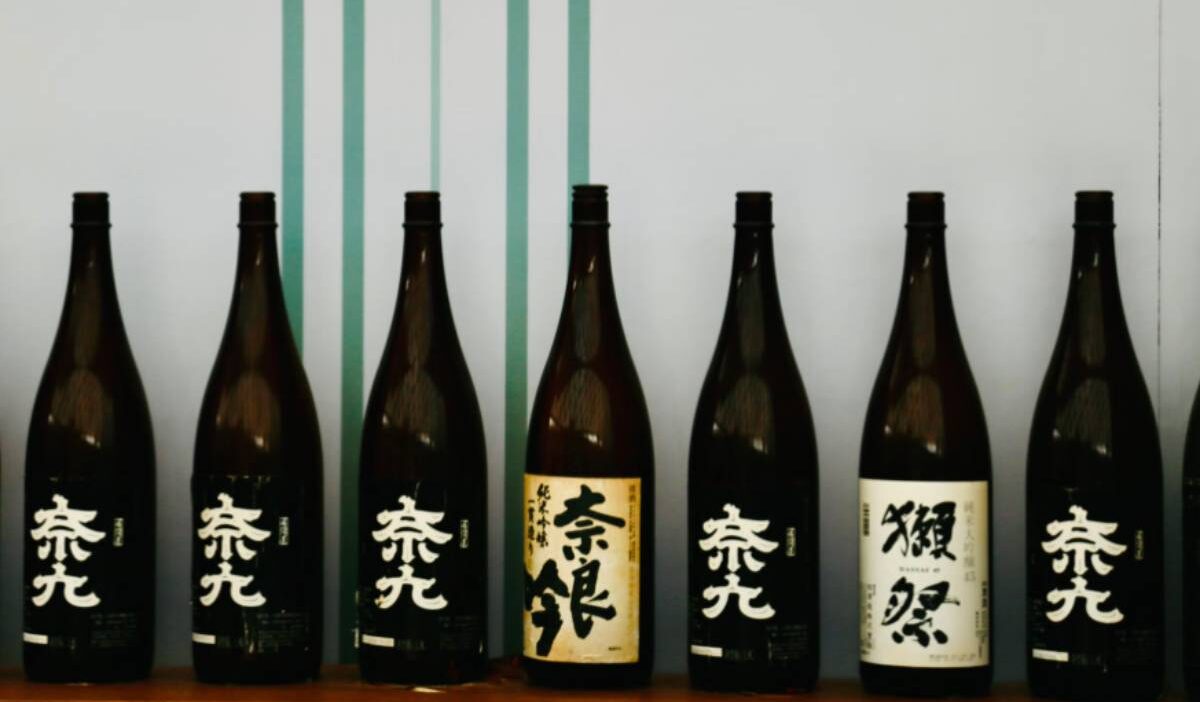
Yes, traditional premium sake is generally gluten-free because it is made from rice, water, rice koji, and sometimes distilled alcohol, none of which introduces gluten into the finished drink. However, not every sake product has the same ingredients.
The main categories include:
- Premium sake: Varieties such as junmai, honjozo, ginjo, and daiginjo are generally considered gluten-free.
- Regular sake (futsushu): May contain additional ingredients, so its gluten-free status should be verified.
- Flavored sake: Added flavorings or mixers may introduce gluten-containing ingredients.
For people with celiac disease, premium junmai sake is a straightforward choice because it has a restricted ingredient list. Always check the specific product when ingredients are unclear.
2. What Is Sake Made Of?
Four ingredients form the base of traditional sake:
- Rice: Supplies the starch needed for fermentation and is naturally gluten free.
- Water: Is used to wash, soak, steam, ferment, and adjust the sake.
- Rice koji: Consists of koji mold cultivated on steamed rice. It breaks rice starch into fermentable sugar.
- Yeast: Converts the available sugar into alcohol and contributes to aroma and flavor.
These ingredients explain why the answer to is sake gluten free is generally positive for traditionally produced premium varieties. Wheat, barley, and rye are not required at any stage of the standard brewing process.
Koji deserves some clarification because the mold can be cultivated on different grains when used in other fermented foods. Sake brewers use rice koji, meaning the growing medium is rice rather than wheat or barley.
3. Which Types of Sake Are Safest for a Gluten-Free Diet?
Premium sake, especially unflavored junmai varieties, is generally considered the safest choice for a gluten-free diet. Regular and flavored sake may require additional ingredient checks.
Junmai Sake
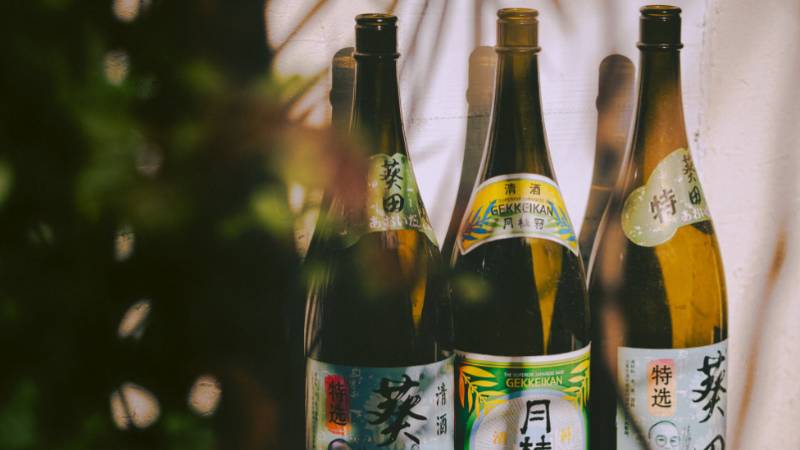
Junmai sake is generally gluten-free because it is brewed from rice, water, rice koji, and yeast without added distilled alcohol.
Common varieties include Junmai, Tokubetsu Junmai, Junmai Ginjo, and Junmai Daiginjo.
For people with celiac disease, unflavored junmai is a straightforward option because its ingredients follow strict production requirements.
Ginjo and Daiginjo Sake
Ginjo and daiginjo are generally gluten-free premium sake varieties. Their names reflect rice-polishing standards and brewing techniques.
Unlike junmai versions, standard ginjo and daiginjo may contain a limited amount of distilled brewer’s alcohol. However, this addition does not automatically introduce gluten.
Check the exact product when ingredients are unclear.
Flavored, Cooking, and Nonpremium Sake
Flavored sake, cooking sake, and ordinary sake (futsushu) may contain additional ingredients, including sweeteners, flavorings, or seasonings.
According to Beyond Celiac, premium sake is considered gluten-free, while nonpremium sake requires caution because its additives may contain gluten.
For strict gluten avoidance, verify the ingredients before drinking.
>>> Read more: Is Tequila Gluten Free? 100% Agave, Types & Hidden Risks
4. Can Sake Contain Hidden Gluten?
A bottle made only from rice, water, rice koji, and yeast has no inherent gluten source. Risk enters when the product departs from that traditional formula or comes into contact with gluten during production or serving.
When checking is sake gluten free, pay particular attention to:
- Added flavors: Fruit, dessert, cream, and seasonal varieties can use flavoring systems with undisclosed components.
- Cooking sake: Some products sold for cooking contain salt, sweeteners, seasoning, or other additions.
- Sake based beverages: Canned cocktails and sparkling drinks may include mixers that are not part of traditional sake.
- Restaurant house sake: Staff may not know whether an inexpensive house pour is premium or nonpremium.
- Cross contact: Shared tanks, bottling equipment, taps, or bar tools could introduce residue from another beverage.
- Cocktail ingredients: Regular beer, malt syrup, flavored liqueurs, or an unverified mixer can make the finished drink unsuitable.
- Unclear translations: An imported label may provide less ingredient information than a packaged food label in the local market.
The absence of a gluten free statement does not necessarily indicate that a traditional sake contains gluten. Alcohol labeling requirements vary, and some breweries may not make a claim even when their production uses only naturally gluten free ingredients.
5. How Can People With Celiac Disease Choose Sake Safely?
People with celiac disease can choose sake more confidently by selecting unflavored premium varieties, checking ingredients, and verifying products with the manufacturer when necessary.
Follow these steps before buying or ordering:
- Choose premium sake: Look for recognized grades such as junmai, ginjo, or daiginjo, which follow defined production standards.
- Consider plain junmai: Its rice-based formulation contains no added brewer’s alcohol, making its ingredients easier to verify.
- Check specialty products: Flavored sake, cooking sake, and premixed cocktails may contain additional ingredients that require verification.
- Review product information: Check the bottle label and manufacturer or importer details for gluten-related statements.
- Ask before ordering: Confirm the brand and variety served at restaurants, particularly when the menu lists only “house sake.”
If the ingredients remain unclear, contact the producer about potential gluten sources and cross-contact. For strict gluten avoidance, choose a product whose suitability can be verified.
>>> Also read: Is Vodka Gluten Free? Types, Brands & Safety Tips
6. FAQs
Can celiacs drink sake?
Many people with celiac disease can drink verified premium sake made from rice, water, rice koji, and yeast. When assessing “is sake gluten free?”, confirm the grade and avoid unverified flavored or nonpremium products.
What alcohols are not gluten-free?
Traditional beer, ale, lager, and malt beverages generally contain gluten unless specifically made and labeled gluten free. Flavored spirits, cocktails, and coolers may also contain malt or other added gluten sources.
What liquor can celiacs drink?
Pure distilled spirits are generally considered gluten free, even when produced from gluten containing grains, because distillation removes proteins. Flavors and mixers added afterward still require verification.
Is Gekkeikan sake gluten free?
Gekkeikan states that its traditional sake is made from rice and water without artificial additives, but the company sells several distinct products. Check the exact bottle because that statement should not automatically be extended to flavored wines or prepared beverages.
Is Nigori sake gluten free?
Traditional nigori can be gluten free because its cloudy appearance comes from suspended rice particles. Added flavors and sweeteners vary, so review the individual product before drinking it.
7. Conclusion
So, is sake gluten free? Yes, most traditional premium sake is generally gluten-free, especially unflavored junmai varieties made with rice-based ingredients. However, regular sake, flavored products, and premixed drinks may contain additional ingredients that require checking.
For people with celiac disease, the safest approach is to verify the specific bottle rather than relying on the sake category alone. A clear ingredient profile makes it easier to enjoy sake with confidence.