
A bag of plain jasmine rice usually contains only one ingredient, yet the finished dish may include broth, seasoning, or sauce that changes its gluten status. The place where it is processed or cooked can also matter for anyone who must avoid even small traces.
The practical answer to is jasmine rice gluten free begins with separating plain rice from flavored or restaurant prepared versions. White and brown jasmine rice are naturally safe, but packaged mixes and prepared dishes still require a label or kitchen check.
1. Is Jasmine Rice Gluten Free?
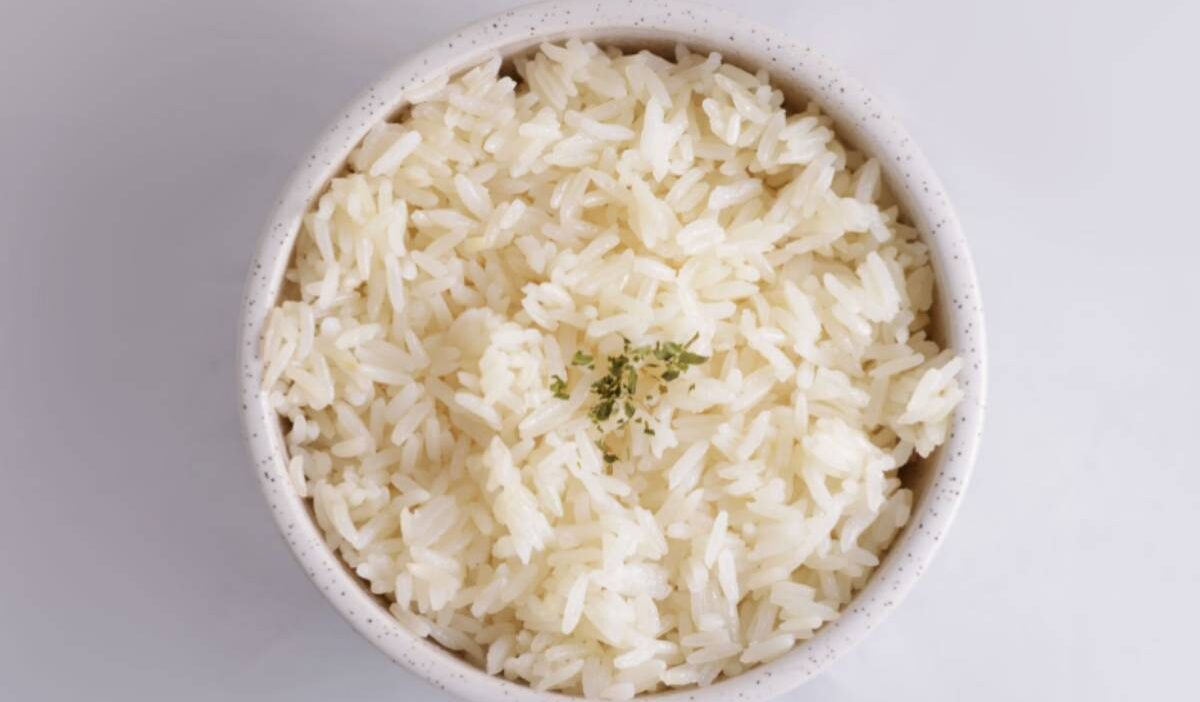
Yes, jasmine rice is naturally gluten-free because it does not contain the gluten proteins found in wheat, barley, or rye. Both white and brown jasmine rice are suitable for a gluten-free diet when plain and uncontaminated.
Jasmine rice is an aromatic, long-grain rice known for its slightly floral scent and soft texture. Its two common varieties include:
- White jasmine rice: Naturally gluten-free with a softer texture.
- Brown jasmine rice: Naturally gluten-free and retains more fiber due to its bran layer.
Is there gluten in jasmine rice? Yes, flavored rice mixes, added seasonings, or cross-contact during preparation may introduce gluten.
People with celiac disease should check packaged products for gluten-containing ingredients and choose clearly labeled gluten-free options when appropriate.
2. What Is Jasmine Rice Made Of?
Jasmine rice is a naturally gluten-free grain from the rice plant (Oryza sativa), primarily composed of carbohydrates, with small amounts of protein and other nutrients. Its distinctive floral aroma comes from naturally occurring compounds rather than added flavorings.
Plain jasmine rice typically contains just one ingredient: rice. Unlike wheat, barley, and rye, it does not contain gluten-forming proteins.
White jasmine rice has its bran and germ removed during milling, while brown jasmine rice retains these layers, providing more fiber and certain nutrients.
Both varieties are naturally gluten-free, although flavored or seasoned rice products may contain additional ingredients that require checking.
3. Are All Types of Jasmine Rice Gluten Free?
Checking is jasmine rice gluten free becomes more important once the product contains anything beyond plain rice.
| Type | Naturally gluten free? | What to check |
| White jasmine rice | Yes | Processing and packaging cross contact |
| Brown jasmine rice | Yes | Processing and packaging cross contact |
| Organic jasmine rice | Yes | Organic status does not confirm gluten free handling |
| Instant plain jasmine rice | Usually | Added ingredients and facility statements |
| Seasoned jasmine rice | Not always | Sauces, broth, flavor packets, and spice blends |
| Restaurant jasmine rice | Depends | Cooking liquid, sauces, utensils, and shared equipment |
White and brown jasmine rice differ mainly in processing and nutritional content. Removing the bran and germ makes white rice softer and quicker to cook, while brown jasmine rice retains more fiber and naturally occurring micronutrients.
An organic label describes how the rice was grown and handled under organic standards. It does not automatically mean the product is certified gluten free or protected from gluten cross contact.
>>> Read more: Is Cornstarch Gluten Free? 7 Important Facts Before You Use It
4. When Can Jasmine Rice Contain Gluten?
Understanding is jasmine rice gluten free means looking beyond the grain itself. Processing conditions, added seasonings, and shared cooking equipment can affect whether the finished dish is suitable for a gluten-free diet.
Gluten Cross Contact During Processing
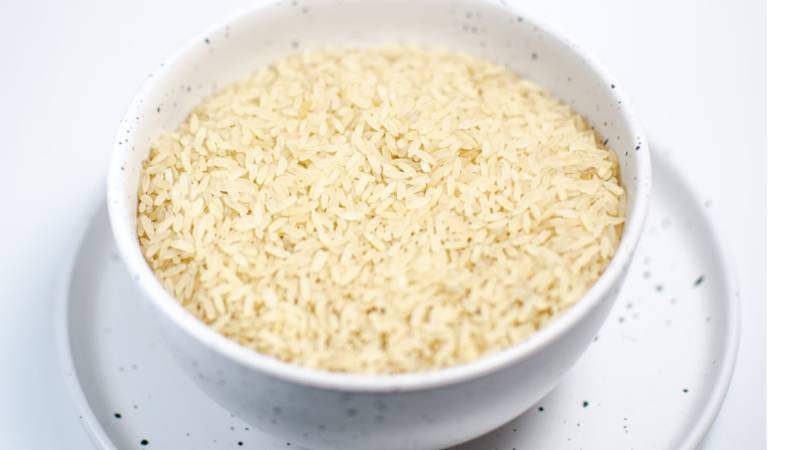
Jasmine rice may come into contact with wheat, barley, or rye during processing, storage, or packaging if facilities handle multiple grains.
For people with celiac disease, choosing rice labeled gluten-free provides additional assurance. Under FDA regulations, products carrying this claim must contain less than 20 parts per million (ppm) of gluten.
Gluten in Seasonings and Sauces
Plain jasmine rice contains no gluten, but flavored or prepared varieties may include gluten-containing ingredients, such as:
- Regular soy sauce: Typically contains wheat.
- Commercial broth or bouillon: May contain wheat-based additives.
- Teriyaki sauce or gravy: Can contain wheat-based thickeners.
- Seasoning mixes: May include gluten-containing flavorings.
Always check the ingredient list and any separate seasoning packets before preparing flavored jasmine rice.
Cross Contact During Cooking
Even naturally gluten-free rice can become unsafe for people with celiac disease if prepared using equipment contaminated with gluten.
Common risks include shared cooking pots, utensils previously used for wheat-based foods, and preparation surfaces containing flour residue.
When dining out, ask whether the rice is cooked in plain water or seasoned broth and whether shared equipment is properly cleaned.
The NIDDK recommends preventing gluten cross-contact during food preparation and storage.
5. How to Choose and Prepare Gluten-Free Jasmine Rice
A few practical checks can settle is jasmine rice gluten free before it reaches the plate:
- Choose plain jasmine rice: A product listing rice as its only ingredient is the simplest option.
- Check for a gluten-free label: This provides extra reassurance for people with celiac disease or strong gluten sensitivity.
- Read the full ingredient list: Pay particular attention to broth, soy sauce, seasoning powder, malt, and modified ingredients.
- Avoid uncertain flavor packets: Season the rice yourself with verified gluten-free ingredients.
- Use clean equipment: Wash pots, measuring cups, colanders, utensils, and preparation surfaces before cooking.
- Store the rice separately: Keep open packages away from flour and other loose gluten-containing ingredients.
- Ask questions when dining out: Confirm how the rice is cooked and whether it shares equipment with wheat-based foods.
A rice cooker can safely prepare gluten-free jasmine rice when it is clean and used with plain water or verified gluten-free broth. If it previously held a questionable seasoned dish, wash the pot, lid, steam vent, and serving spoon thoroughly.
6. Is Jasmine Rice Better Than Regular White Rice?
Both jasmine rice and regular white rice are naturally gluten-free, but they differ in aroma, texture, and nutritional value depending on the variety. Here’s how they compare.
| Feature | White jasmine rice | Other white rice | Brown jasmine rice |
| Aroma | Floral and fragrant | Usually mild or neutral | Fragrant with a nuttier note |
| Texture | Soft and slightly sticky | Varies by variety | Firmer and chewier |
| Calories | Similar to other cooked white rice | Similar at an equal serving | Similar or slightly higher depending on preparation |
| Carbohydrates | High | High | High |
| Fiber | Low | Low | Higher because the bran remains |
| Micronutrients | Some natural or enriched nutrients | Depends on variety and enrichment | Retains more naturally occurring nutrients |
| Blood sugar considerations | May raise blood glucose quickly | Similar for many refined white varieties | Fiber may slow digestion, but portion size still matters |
Once you’ve answered is jasmine rice gluten free, the next question is whether it’s healthier than regular white rice. White jasmine rice offers similar nutritional benefits, while brown jasmine rice typically contains more fiber. White varieties are often preferred for their softer texture and faster cooking time.
>>> Read more: Is Popcorn Gluten Free? 5 Types and Hidden Gluten Risks
7. FAQs
Who should not eat jasmine rice?
People with a rice allergy should avoid jasmine rice, while those managing blood sugar may need to control portions. Anyone with celiac disease can usually eat plain jasmine rice if it is protected from gluten cross contact.
Which type of rice has the least gluten?
Pure white, brown, jasmine, basmati, black, red, and wild rice are all naturally free from gluten. No plain rice variety contains less gluten than another because their natural gluten content is zero.
Which rice is better for gut health?
Brown rice generally provides more fiber, which can support regular digestion and beneficial gut bacteria. White jasmine rice may be easier to digest for some people, particularly during periods of digestive discomfort.
8. Conclusion
Plain white and brown jasmine rice are naturally free from wheat, barley, and rye. A complete answer to is jasmine rice gluten free still requires checking seasonings, sauces, packaging, and cooking practices whenever the rice is processed or prepared with other ingredients.