
A spoonful of mayonnaise can turn a plain sandwich into lunch or bring a potato salad together. It’s also an ingredient people rarely question until they need to avoid gluten. With so many brands, flavors, and mayonnaise-based dressings available, the answer isn’t always obvious from the front of the jar.
So, is mayonnaise gluten free, and should you be concerned about ingredients such as vinegar, mustard, or seasonings? Knowing what goes into different types of mayonnaise can make shopping easier, particularly if you’re managing celiac disease.
1. Is Mayonnaise Gluten Free?
Yes, traditional mayonnaise is generally gluten-free because its main ingredients, including vegetable oil, eggs, vinegar or lemon juice, and seasonings, do not naturally contain gluten.
Many commercial mayonnaise brands also offer products labeled gluten-free. However, not every mayonnaise variety is automatically gluten-free.
Light mayonnaise, flavored mayonnaise, and mayonnaise-based dressings may contain additional thickeners, sauces, or seasonings that require closer inspection.
If you have celiac disease or gluten sensitivity, choose mayonnaise with clear gluten-free labeling, check the latest ingredient list, and avoid cross-contact from shared utensils or containers.
2. What Ingredients in Mayonnaise Could Contain Gluten?
The ingredients in basic mayonnaise are typically suitable for a gluten-free diet. However, specialty sauces and prepared dressings can introduce less obvious gluten sources.
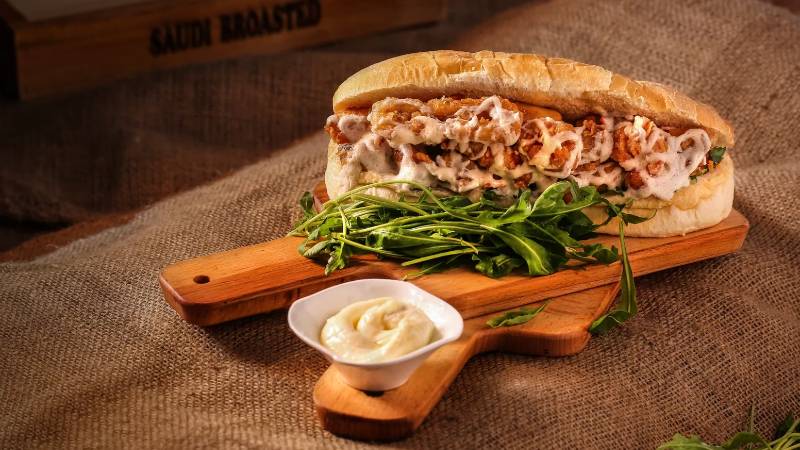
Ingredients in Traditional Mayonnaise
Classic mayonnaise usually contains oil, eggs, vinegar or lemon juice, mustard, and seasonings.
- Oil and eggs: Naturally gluten-free, although eggs are a separate common food allergen.
- Vinegar: Common types, including properly distilled vinegar, are generally gluten-free.
- Mustard and seasonings: Often gluten-free but should be checked in formulated products.
Distilled vinegar can be gluten-free even when its original ingredient comes from a gluten-containing grain. Proper distillation separates gluten proteins from the finished vinegar. This differs from traditional barley malt vinegar, which is not distilled and contains gluten.
Hidden Gluten in Flavored Mayo and Dressings
The greater concern is what manufacturers mix into mayonnaise. Potential sources include barley malt flavorings, wheat-containing soy sauce in Asian-inspired sauces, and seasoning blends with gluten ingredients.
Sandwich spreads, salad dressings, and creamy dipping sauces may also contain additional ingredients not present in regular mayonnaise. Check the finished product rather than assuming its mayonnaise base makes it gluten-free.
>>> Read more: Is Buckwheat Gluten Free? The Answer May Surprise You
3. Do Different Types of Mayonnaise Have the Same Gluten Status?
When checking is mayonnaise gluten free, the type of product matters almost as much as the brand. A company’s original mayonnaise may have a different ingredient list from its lighter or flavored versions.
Regular Mayonnaise
Traditional mayonnaise is usually the simplest choice. Its ingredients typically include oil, egg yolks, vinegar, and seasonings, without wheat-based additions. Many mainstream products are explicitly labeled gluten-free, making them convenient options for everyday cooking.
Light and Reduced-Fat Mayonnaise
Light mayonnaise contains less fat than regular mayonnaise and often uses additional ingredients to maintain its creamy texture.
These may include modified food starch, gums, or stabilizers. Such ingredients are not automatically gluten-containing, but you should verify the formulation and any gluten-free claims.
Flavored Mayonnaise and Aioli
Garlic aioli, chipotle mayo, sriracha mayo, and similar sauces can be gluten-free, depending on their ingredients. Look carefully at added soy sauce, malt flavorings, marinades, and seasoning mixtures. A gluten-free original product does not guarantee that every flavored variation is suitable.
Vegan Mayonnaise
Vegan mayonnaise replaces eggs with plant-based ingredients such as aquafaba or other emulsifiers. It can be gluten-free, but vegan labeling refers to animal ingredients, not gluten. Check both the ingredient list and gluten-free labeling separately.
4. Which Popular Mayonnaise Brands Are Gluten Free?
Several well-known mayonnaise brands offer gluten-free options, although individual products and regional formulations can differ.
| Brand | Gluten-Free Information |
| Hellmann’s | Real Mayonnaise is confirmed gluten-free by the brand. |
| Best Foods | Real Mayonnaise is listed as gluten-free in its U.S. product information. |
| Kraft | Real Mayo uses conventional mayonnaise ingredients; verify the specific package for a gluten-free claim. |
| Duke’s | The brand confirms its mayonnaise is gluten-free. |
| Kewpie | U.S.-made Kewpie Mayonnaise is certified gluten-free; check imported and specialty versions separately. |
Hellmann’s confirms the status of its Real Mayonnaise in its official FAQ, while Duke’s Mayo also identifies its mayonnaise as gluten-free.
Always check the exact flavor, country of manufacture, and current packaging before purchasing.
5. How to Choose Mayonnaise Safely on a Gluten-Free Diet
The question of is mayonnaise gluten free becomes easier to answer when you focus on the specific jar or bottle you’re buying. A short checklist can help you avoid overlooking ingredients or preparation risks.
- Look for gluten-free labeling: Choose products with a clear gluten-free claim, particularly when strict gluten avoidance is necessary.
- Read the complete ingredient list: Check for wheat, barley, rye, malt, and gluten-containing sauces or flavorings.
- Verify the exact flavor: Original, light, and specialty mayonnaise varieties may have different formulations, even within the same brand.
- Prevent cross-contact at home: Use clean utensils and avoid dipping bread-covered knives into a shared mayonnaise jar.
- Check restaurant preparation: Ask about the sauce ingredients and whether sandwiches, salads, or dressings are prepared near gluten-containing foods.
Under FDA gluten-free labeling requirements, regulated foods carrying a gluten-free claim must meet applicable ingredient requirements and contain less than 20 parts per million (ppm) of gluten.
6. Is Mayonnaise Safe for People With Celiac Disease?
Yes, mayonnaise can be safe for people with celiac disease when it is gluten-free and protected from cross-contact. However, not every flavored mayonnaise or prepared dish is suitable.
To reduce gluten exposure:
- Choose gluten-free products: Look for clear gluten-free labeling and check ingredients.
- Prevent cross-contact: Use squeeze bottles or clean utensils instead of shared mayonnaise jars.
- Check prepared dishes: Tuna salad, potato salad, and sandwiches may contain other gluten ingredients.
- Ask about restaurant handling: Shared preparation surfaces and utensils can introduce gluten.
When in doubt, choose a verified gluten-free product and confirm how it was prepared.
>>> Also read: Is Sherbet Dairy Free? Sherbet vs. Sorbet Explained
7. FAQs
Which brands of mayonnaise are gluten-free?
Hellmann’s, Best Foods, and Duke’s offer gluten-free mayonnaise, while U.S.-made Kewpie Mayonnaise is certified gluten-free. Always verify the specific product and packaging.
Which mayonnaise is not gluten-free?
Mayonnaise containing wheat-based soy sauce, barley malt ingredients, or other gluten-containing additions is not gluten-free. Some flavored sauces and mayonnaise-based dressings may fall into this category.
What is surprisingly not gluten-free?
Regular soy sauce, traditional barley malt vinegar, some seasoning blends, and certain salad dressings may contain gluten. These ingredients can also appear in flavored mayonnaise products.
Is Hellman’s mayo gluten free?
Yes, Hellmann’s Real Mayonnaise is gluten-free according to the manufacturer. As with the broader question of is mayonnaise gluten free, check individual flavored or specialty products separately.
8. Conclusion
You can keep mayonnaise on your shopping list while following a gluten-free diet. Traditional varieties are generally made with naturally gluten-free ingredients, and several familiar brands clearly identify suitable products.
The important distinction is between basic mayonnaise and sauces that contain additional flavorings or dressings. If you’re still checking is mayonnaise gluten free for a particular product, start with its label rather than the brand name alone. A clean squeeze bottle and careful food preparation can further reduce cross-contact risks, especially for people with celiac disease.