
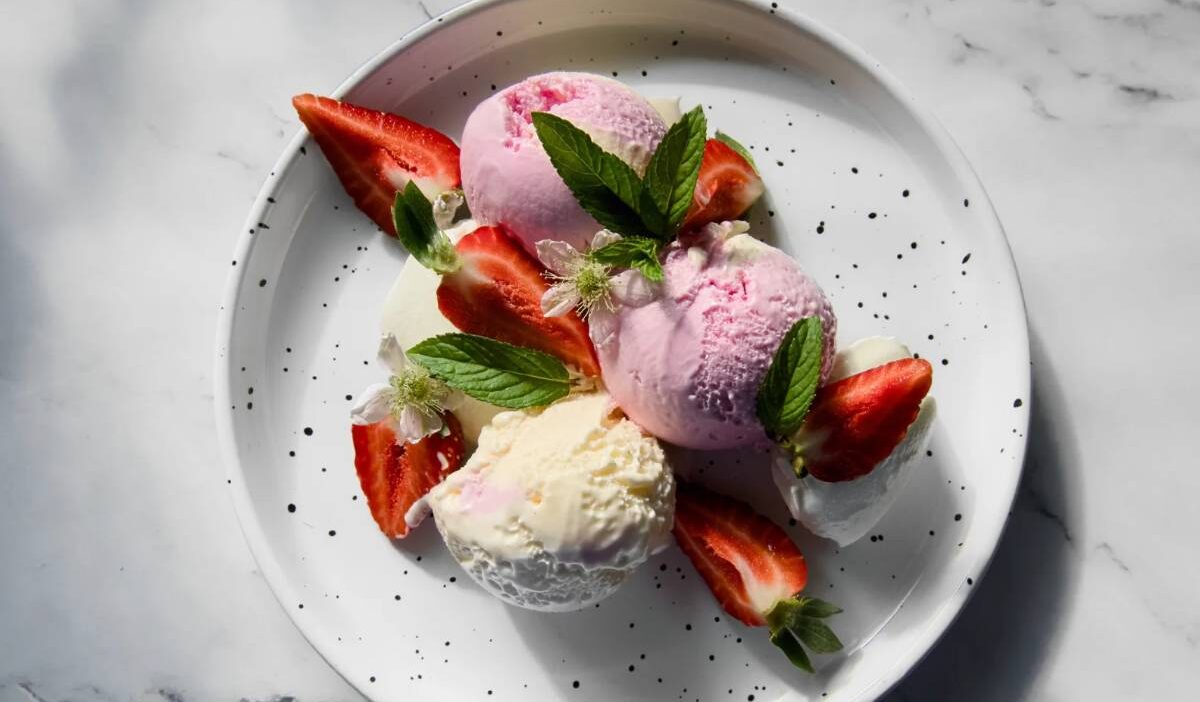
Craving a refreshing frozen dessert but trying to avoid dairy? You might wonder, is sherbet dairy free? Although sherbet looks similar to sorbet, traditional sherbet usually contains milk or cream.
That difference matters for people with lactose intolerance or milk allergies. Let’s explore what goes into sherbet, how it compares with sorbet, and which alternatives you can enjoy.
1. Is Sherbet Dairy Free?
No, traditional sherbet is not dairy-free. It typically contains milk, cream, or other dairy ingredients that give it a smoother, creamier texture than sorbet.
Under U.S. food standards, sherbet contains 1–2% milkfat, making it lower in fat than regular ice cream but still unsuitable for people who must avoid dairy entirely.
Unlike sherbet, sorbet is generally dairy-free, as it’s traditionally made with fruit, water, and sugar.
Some brands offer plant-based frozen desserts with a sherbet-like texture. However, people with milk allergies should always check ingredient lists and allergen labels before purchasing.
2. What Ingredients Are in Sherbet?
To understand is sherbet dairy free, it’s important to look at what goes into this frozen dessert. Let’s explore the common ingredients in sherbet and which ones make it different from dairy-free alternatives like sorbet.
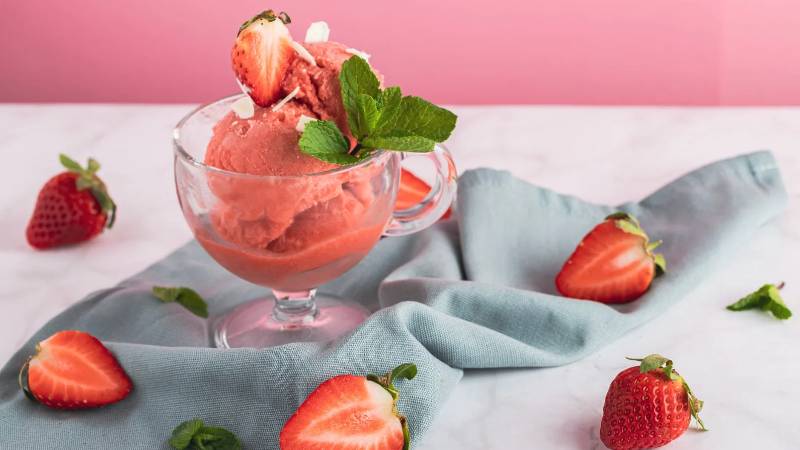
A typical sherbet recipe may include:
- Fruit juice or puree: Provides the main flavor, such as orange, raspberry, lime, or pineapple.
- Sugar or corn syrup: Adds sweetness and helps maintain a smooth consistency.
- Milk or cream: Creates the slightly creamy texture that separates sherbet from sorbet.
- Water: Balances the fruit concentration and overall consistency.
- Stabilizers: Ingredients such as guar gum or other permitted thickeners help control ice crystals.
- Natural or artificial flavors: Enhance the fruit taste, depending on the formulation.
Not every product contains the same ingredients. Some use nonfat milk, while others include additional milk solids or whey. For anyone avoiding dairy, milk, cream, whey, and casein are particularly important ingredients to recognize.
Even when a package emphasizes real fruit or a low-fat recipe, that doesn’t establish whether the product is dairy-free. The full ingredient list provides a much clearer answer.
3. Sherbet vs. Sorbet vs. Ice Cream: What’s the Difference?
Now that you know the answer to is sherbet dairy free, let’s compare it with sorbet and ice cream to understand how their ingredients, dairy content, and textures differ.
| Frozen Dessert | Contains Dairy? | Key Characteristics |
| Sherbet | Yes, traditionally | Fruit-based, with 1–2% milkfat and a smooth texture |
| Sorbet | Usually no | Made with fruit, water, and sugar; lighter and icier |
| Ice cream | Yes | Made with milk and cream; rich and creamy |
| Frozen yogurt | Usually yes | Yogurt-based, with a creamy, tangy texture |
| Dairy-free frozen dessert | No, when properly labeled | Made with plant-based ingredients such as coconut or oat milk |
For a dairy-free diet, sorbet or a clearly labeled dairy-free frozen dessert is generally a better choice than traditional sherbet. Always check ingredients, especially if you have a milk allergy.
>>> Read more: Is Popcorn Gluten Free? 5 Types and Hidden Gluten Risks
4. Can You Eat Sherbet if You’re Lactose Intolerant or Allergic to Milk?
Traditional sherbet contains dairy, so its suitability depends on whether you have lactose intolerance or a milk allergy. These conditions affect the body differently.
Sherbet and Lactose Intolerance
Sherbet may contain lactose, the natural sugar found in milk. Some people with lactose intolerance can tolerate small portions, while others experience digestive symptoms such as bloating, gas, or diarrhea.
Lower milkfat does not mean lactose-free, so check product ingredients before eating.
Sherbet and Milk Allergy
People with milk allergies must avoid milk proteins, including casein and whey. Traditional sherbet is therefore not a suitable dairy-free alternative.
The FDA’s food allergy guidance recommends checking labels carefully and avoiding ingredients that contain the relevant allergen. Cross-contact during preparation can also be a concern.
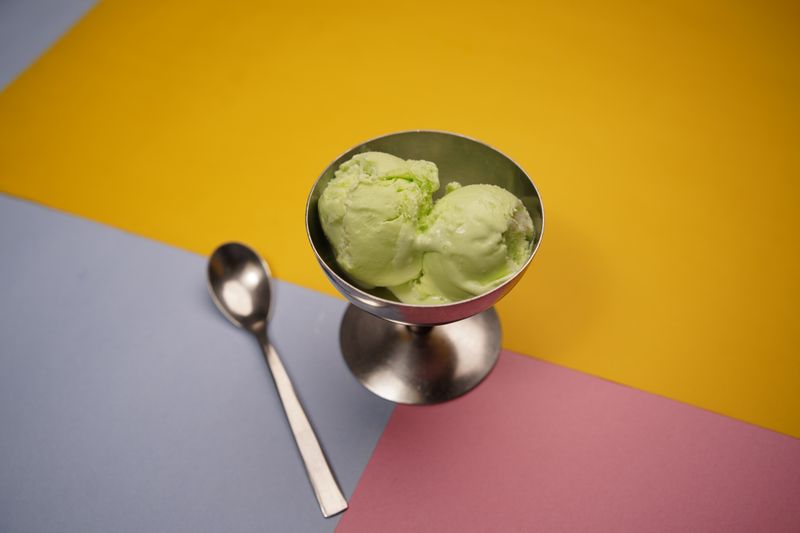
5. What Are the Best Dairy-Free Alternatives to Sherbet?
Love sherbet’s fruity flavor but need to avoid dairy? The answer to is sherbet dairy free might be disappointing, but there are plenty of delicious alternatives to explore.
Here are four options worth trying:
- Fruit sorbet: Often made from fruit puree, water, and sugar, making it a refreshing alternative without the usual dairy ingredients.
- Italian ice: Typically combines water, sugar, and fruit flavoring. Its texture is usually icier than sherbet.
- Coconut milk-based frozen desserts: Provide a richer, creamier consistency without traditional dairy. They’re particularly useful if you prefer something closer to ice cream.
- Homemade dairy-free sherbet: Blend fruit puree, sugar, and a suitable plant-based milk before freezing. Coconut or oat milk can help create a smoother result.
If you’re looking for a balance between fruit flavor and creamy texture, coconut-based frozen desserts are worth considering.
However, dairy-free doesn’t necessarily mean allergen-free. Products made with almond milk, soy, or other substitutes may contain ingredients that some people need to avoid.
6. How to Choose a Dairy-Free Alternative to Sherbet
To find a dairy-free alternative to sherbet, check product labels, ingredients, and allergen information before buying. Follow these four steps:
- Step 1: Look for a Clear Dairy-Free Label
Choose sorbet or plant-based frozen desserts labeled dairy-free. Vegan claims can be helpful but don’t guarantee protection from milk cross-contact.
- Step 2: Read the Ingredient List
Avoid products containing milk, cream, whey, casein, buttermilk, or milk solids.
- Step 3: Review Allergen Information
Check packaged foods for milk allergen declarations. If you have a milk allergy, consider potential cross-contact and contact the manufacturer when necessary.
- Step 4: Ask Before Ordering at Ice Cream Shops
Confirm that the dessert contains no dairy and ask whether separate scoops and equipment are used to prevent cross-contact.
The Food Allergy Research & Education organization provides additional guidance on preventing cross-contact.
>>> Read more: Is Couscous Gluten Free? 6 Best Alternatives to Try
7. FAQs
What Brand of Sherbet Is Dairy Free?
Traditional sherbet generally contains dairy, so look for explicitly labeled dairy-free frozen desserts instead. Brands offering fruit sorbets or plant-based desserts may have suitable options, depending on the product.
Is Sorbet Safe to Serve to Someone With a Dairy Allergy?
Sorbet is often dairy-free, but its ingredients and preparation conditions still matter. If you’re comparing sorbet with is sherbet dairy free, remember that traditional sherbet contains milk, while sorbet typically does not.
Is There Dairy in Sherbet?
Yes. Traditional sherbet contains milk or other dairy ingredients, even though its dairy content is lower than that of regular ice cream.
Which Is Healthier, Ice Cream or Sherbet?
Neither is automatically healthier. Sherbet generally contains less fat, but sugar content and serving sizes vary, so comparing nutrition labels is more useful.
8. Conclusion
So, is sherbet dairy free? Traditional sherbet contains milk ingredients, even though it has less dairy than regular ice cream. That makes it unsuitable for people who must avoid milk completely, particularly those with a milk allergy.
Fortunately, fruit sorbet, Italian ice, and plant-based frozen desserts offer plenty of alternatives. Whether you’re shopping at a grocery store or ordering from an ice cream shop, checking ingredients and allergen information will help you find a frozen treat that fits your needs.