
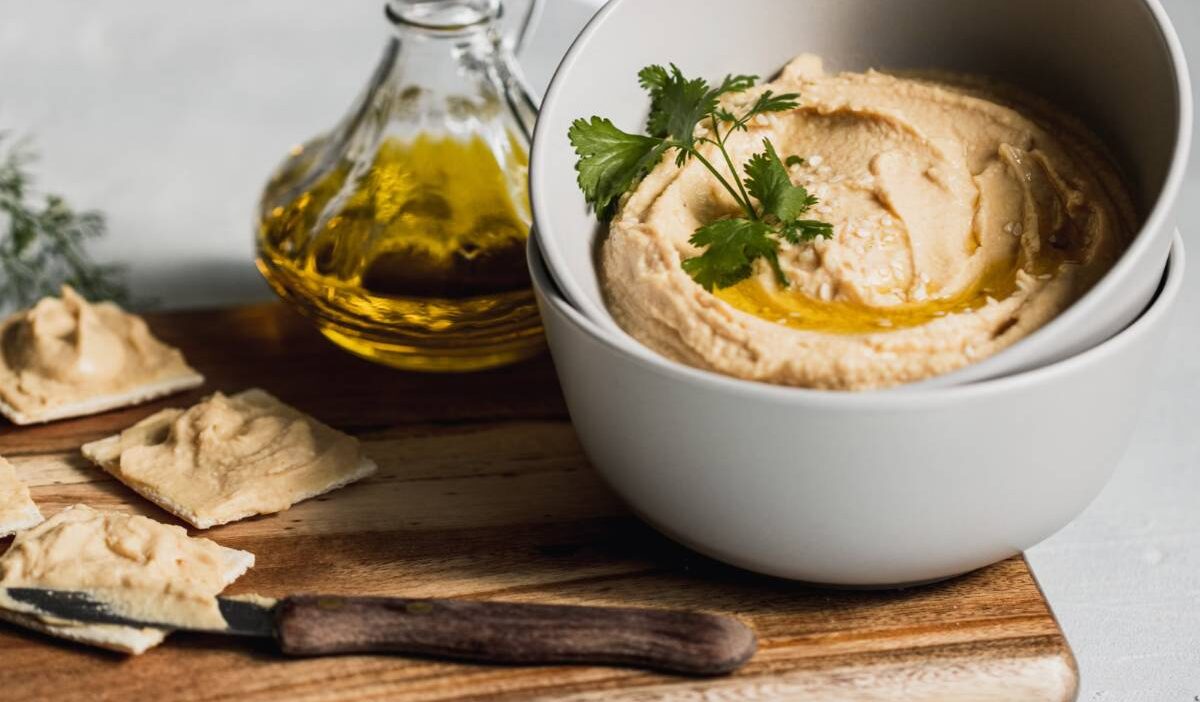
Hummus is a staple in Mediterranean and Middle Eastern cuisine, loved for its creamy texture, rich flavor, and versatility. But if you’re following a gluten-free diet, you may wonder is hummus gluten free, especially when it comes in different flavors or is served with pita bread at restaurants.
Understanding what goes into your hummus, where gluten might appear, and how to avoid cross-contact can help you enjoy this popular dip with confidence.
1. Is Hummus Gluten Free?
Yes, traditional hummus is naturally gluten-free. It’s typically made from chickpeas, tahini, olive oil, lemon juice, and garlic, none of which naturally contain gluten.
However, not every hummus product is guaranteed gluten-free. Flavored varieties may include wheat-containing seasonings, sauces, or toppings. Cross-contact can also occur during manufacturing, restaurant preparation, or serving.
For people with celiac disease, checking ingredient lists and choosing clearly labeled gluten-free hummus can provide additional assurance.
Remember that even gluten-free hummus may be served with regular pita bread or crackers containing wheat, so check accompaniments separately.
2. What Ingredients Are in Traditional Hummus?
Traditional hummus is a Middle Eastern dish made by blending cooked chickpeas with tahini, lemon juice, and other simple ingredients. Its creamy texture comes primarily from the chickpeas and sesame paste, rather than flour or dairy.
A typical recipe includes:
- Chickpeas: The main ingredient, providing a smooth texture, plant-based protein, and fiber.
- Tahini: A paste made from ground sesame seeds that gives hummus its nutty flavor.
- Lemon juice: Adds acidity and balances the richness of the tahini.
- Garlic: Provides a savory flavor that complements the chickpeas.
- Olive oil: Often blended into the mixture or drizzled on top.
- Salt and spices: Common additions include cumin, paprika, and other seasonings.
All these ingredients are naturally gluten-free in their plain forms.
Some homemade recipes also use a little water or chickpea cooking liquid to achieve a lighter consistency. Neither requires wheat flour as a thickener.
The important distinction is between traditional hummus ingredients and commercial variations. Once manufacturers introduce additional flavors, sauces, or toppings, the final product needs to be evaluated separately.
3. When Can Hummus Contain Gluten?
Even though its traditional ingredients are gluten-free, hummus can become unsuitable for a gluten-free diet when other ingredients or preparation methods introduce gluten.
If you’re wondering is hummus gluten free when it comes in different flavors or is served at a restaurant, two situations deserve particular attention.
Added Ingredients in Flavored Hummus
Some specialty hummus products contain barley malt seasonings, wheat-based sauces, or crunchy toppings such as breadcrumbs.
However, flavors like roasted garlic, red pepper, or olive aren’t automatically gluten-containing. Check the complete ingredient list, including separately packaged toppings.
Cross-Contact During Manufacturing or Preparation
Gluten can enter otherwise gluten-free hummus through shared processing equipment, preparation surfaces, or serving utensils.
For example, a spoon used for hummus and regular pita bread may transfer gluten. People with celiac disease should check preparation practices and choose verified gluten-free products when necessary.
>>> Read more: Is Buckwheat Gluten Free? The Answer May Surprise You
4. Is Store-Bought and Restaurant Hummus Gluten Free?
Store-bought and restaurant hummus can be gluten-free, but ingredients, packaged additions, and preparation methods vary.
Store-Bought Hummus and Gluten-Free Brands
Many packaged hummus products contain naturally gluten-free ingredients. For example, Sabra identifies most of its products, including hummus, as gluten-free.
However, some Sabra products, such as Pretzel Snackers and Avocado Toast, contain gluten. Always check the specific product’s label, especially when crackers, pretzels, or toppings are included.
Restaurant Hummus and Cross-Contact Risks
Restaurant hummus may be made without gluten-containing ingredients, but serving practices can introduce cross-contact.
Ask whether the hummus contains wheat-based additions and if it can be prepared and served separately from regular pita bread.
For people with celiac disease, confirming ingredients and safe preparation practices is particularly important.
5. How to Make Sure Your Hummus Is Gluten Free
Before buying or ordering hummus, a few simple checks can help you identify products that fit your dietary needs. This is especially useful when determining is hummus gluten free beyond its basic ingredients.
- Step 1: Check the Ingredient List
Look for wheat, barley, rye, malt, and other gluten-containing additions. Pay attention to sauces, seasoning blends, and toppings.
- Step 2: Look for Gluten-Free Labeling
Choose products with a clear gluten-free claim or independent certification when you need additional assurance.
Under FDA gluten-free labeling rules, regulated foods labeled gluten-free must meet federal requirements, including containing less than 20 parts per million (ppm) of gluten.
- Step 3: Confirm Restaurant Preparation
Ask whether the hummus is made and served separately from foods containing gluten.
- Step 4: Avoid Cross-Contact
Use clean utensils and separate serving bowls, particularly when others are eating regular pita bread.
- Step 5: Verify Unclear Products
If ingredient information or gluten-free labeling is uncertain, contact the manufacturer before purchasing.
6. What Can You Eat With Hummus on a Gluten-Free Diet?
Hummus works with far more than pita bread. Its creamy texture and savory flavor make it easy to pair with naturally gluten-free vegetables, grains, and snacks.
Here are several options to try:
- Fresh vegetables: Carrot sticks, cucumbers, bell peppers, and celery provide a crisp contrast to creamy hummus.
- Gluten-free crackers: Choose clearly labeled gluten-free varieties made from rice, corn, or other suitable ingredients.
- Rice cakes: A convenient option for spreading hummus and adding vegetables or herbs.
- Gluten-free pita bread: Enjoy a more traditional combination without using regular wheat pita.
- Roasted potatoes: Serve hummus as a dip alongside warm potato wedges.
- Quinoa bowls: Add a spoonful of hummus to quinoa, roasted vegetables, and leafy greens.
For parties, arrange gluten-free options on a separate platter with dedicated serving utensils. This helps prevent bread crumbs from reaching food intended for guests with celiac disease.
>>> Read more: Is Couscous Gluten Free? 6 Best Alternatives to Try
7. FAQs
Can Celiacs Eat Hummus?
Yes, people with celiac disease can eat hummus when it is gluten-free and prepared without cross-contact. The answer to is hummus gluten free depends on the specific product and its handling.
Which Brands of Hummus Are Gluten-Free?
Sabra offers gluten-free hummus varieties, and other manufacturers may sell products labeled gluten-free. Always check the specific product rather than assuming every variety from a brand is suitable.
Does Sabra Hummus Contain Gluten?
According to Sabra, its hummus varieties are gluten-free, but certain snack products containing pretzels or other gluten-containing ingredients are not. Check the current packaging before purchasing.
8. Conclusion
So, is hummus gluten free? Traditional hummus generally is, but flavored and store-bought varieties may require extra attention. By choosing products with suitable ingredients and checking preparation practices when necessary, you can enjoy this versatile dip as part of a gluten-free diet with greater confidence.