

A generous sprinkle of Parmesan can finish a bowl of pasta without the heaviness of a creamy cheese sauce. Yet two cheeses made from the same milk can affect digestion quite differently, which makes Parmesan an interesting case for anyone who experiences discomfort after eating dairy.
The question is Parmesan cheese lactose free involves more than how long the cheese sits on a shelf or ages in a cellar. The way it’s made, the type you buy, and your individual tolerance all deserve attention.
1. Is Parmesan Cheese Lactose Free?
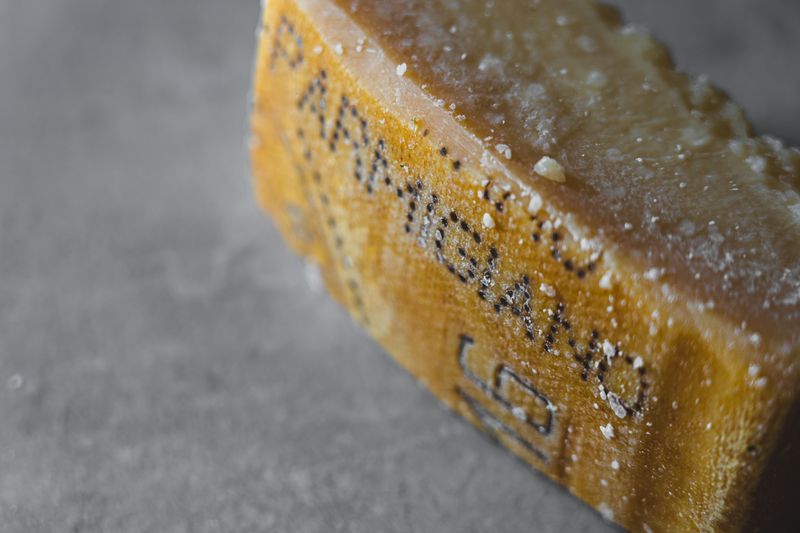
Yes, authentic Parmigiano Reggiano is naturally lactose-free. According to the Parmigiano Reggiano Consortium, tested samples contained less than 0.01 grams of lactose per 100 grams, below the testing method’s detection limit.
Traditional cheesemaking removes nearly all lactose, making authentic Parmigiano Reggiano generally suitable for people with lactose intolerance.
However, not all Parmesan products are identical. Parmesan-style cheeses, grated blends, and cheese sauces may have different lactose levels, especially when milk or cream is added.
Importantly, lactose-free does not mean dairy-free. Parmesan still contains milk proteins and is unsuitable for people with milk allergies.
2. Why Does Parmesan Contain So Little Lactose?
Parmesan starts with milk, so its low lactose content might seem surprising. The explanation lies in what happens to the milk sugar during cheesemaking, particularly before the cheese has undergone its long maturation period.
The process works as follows:
- Milk contains lactose: Cow’s milk naturally provides lactose, a sugar that some people have difficulty digesting.
- Whey is separated: During cheesemaking, much of the lactose leaves the curds with the liquid whey.
- Bacteria ferment remaining sugar: Lactic acid bacteria convert the remaining lactose into lactic acid, largely within the first 48 hours of Parmigiano Reggiano production.
- The cheese matures: Aging develops Parmesan’s firm texture and distinctive flavor, without introducing lactose back into the cheese.
- Very little lactose remains: The finished Parmigiano Reggiano has lactose below the established analytical detection threshold.
The Parmigiano Reggiano Consortium emphasizes that fermentation removes lactose early. Longer aging develops flavor rather than serving as the sole reason the cheese is lactose-free.
3. Is Grated or Shredded Parmesan Cheese Lactose Free?
While the answer to is Parmesan cheese lactose free is generally yes for authentic Parmigiano Reggiano, grated and shredded varieties may differ. Here’s what to check before buying these convenient Parmesan products.
Packaged products, however, need closer inspection because the word Parmesan can describe different formulations.

| Product | What to Know About Lactose |
| Whole Parmigiano Reggiano | Naturally lactose-free |
| Freshly grated Parmigiano Reggiano | Same lactose status as the original cheese |
| Packaged grated Parmesan | Depends on the specific cheese and additives |
| Shredded Parmesan blends | May contain other cheeses with different lactose levels |
| Parmesan cheese sauce | Often contains added milk or cream |
Anti-caking ingredients such as cellulose do not automatically introduce lactose. The more important question is whether the package contains only Parmesan or a blend of dairy ingredients.
For the simplest choice, buy a clearly identified wedge of Parmigiano Reggiano and grate it yourself.
>>> Read more: Is Cool Whip Gluten Free? Original, Lite & More
4. Can People With Lactose Intolerance Eat Parmesan Cheese?
Knowing the answer to is Parmesan cheese lactose free is helpful, but how does that affect people with lactose intolerance? Here’s what to consider before adding Parmesan to your diet.
Parmesan Cheese and Lactose Intolerance
For many people with lactose intolerance, authentic Parmigiano Reggiano is one of the easier cheeses to include in their diet. Its naturally negligible lactose content means a small serving is unlikely to cause the same digestive problems as milk or fresh dairy products.
Cleveland Clinic identifies Parmigiano Reggiano as a very-low-lactose cheese. Still, individual tolerance varies, and not every digestive reaction after eating Parmesan is necessarily caused by lactose.
A sensible approach is to:
- Start with a small serving: Try a little freshly grated Parmesan rather than a large portion.
- Choose authentic cheese: Parmigiano Reggiano has established production standards and documented lactose levels.
- Consider the complete meal: Creamy sauces, butter, or other dairy ingredients may contribute more lactose than the cheese itself.
Lactose Intolerance vs. Milk Allergy
These two conditions affect the body differently:
- Lactose intolerance: The digestive system produces insufficient lactase to break down lactose, potentially causing bloating, gas, or diarrhea.
- Milk allergy: The immune system reacts to milk proteins, including casein and whey.
Parmesan retains milk proteins regardless of how little lactose it contains. Someone with a milk allergy must therefore avoid it.
5. How to Choose a Low-Lactose Parmesan Product
Understanding is Parmesan cheese lactose free is one thing, but choosing the right product matters just as much. Use this checklist when shopping:
- Look for Parmigiano Reggiano: The protected designation identifies cheese made under specific production standards.
- Check the ingredient list: Authentic Parmigiano Reggiano contains milk, salt, and rennet.
- Read lactose claims carefully: Look for a clear naturally lactose-free statement when available.
- Inspect grated products: Check for added cheese varieties, milk powder, or other dairy ingredients.
- Treat prepared sauces separately: Parmesan-flavored sauces may contain cream, milk, or additional lactose sources.
- Verify unfamiliar products: Contact the manufacturer when the lactose content or cheese variety is unclear.
For particularly sensitive individuals, a clearly identified product with reliable lactose information is preferable to an unspecified Parmesan-style blend.
6. Is Lactose-Free Parmesan Safe for a Milk Allergy?
No. Lactose-free Parmesan is not safe for someone with a milk allergy because it still contains milk proteins. Removing or breaking down lactose does not eliminate casein and other proteins that can trigger an allergic reaction.
The distinction matters because the two conditions require different dietary precautions. Lactose intolerance primarily affects digestion, whereas a milk allergy can cause immune reactions, including severe symptoms.
The National Institute of Diabetes and Digestive and Kidney Diseases distinguishes lactose intolerance from milk allergy. People with a diagnosed milk allergy should choose an appropriate dairy-free alternative rather than lactose-free dairy cheese.
>>> Read more: Is Buckwheat Gluten Free? The Answer May Surprise You
7. FAQs
Can I eat parmesan cheese if lactose intolerant?
Yes, many people with lactose intolerance can tolerate authentic Parmigiano Reggiano because it contains negligible lactose. Start with a small serving if you’re unsure of your tolerance.
What cheeses are naturally lactose-free?
Authentic Parmigiano Reggiano and Grana Padano are recognized for naturally negligible lactose levels. Other aged hard cheeses, such as mature cheddar, can also be very low in lactose.
What cheeses are worst for lactose intolerance?
Fresh cheeses such as ricotta and cottage cheese generally contain more lactose than hard, aged varieties. Their exact lactose content depends on the product and manufacturing method.
What are the top 10 worst foods for lactose intolerance?
Common higher-lactose foods include milk, condensed milk, evaporated milk, ice cream, milkshakes, custard, pudding, ricotta, cottage cheese, and creamy dairy desserts. Actual lactose amounts vary by recipe and serving size.
8. Conclusion
The answer to is Parmesan cheese lactose free is generally yes for authentic Parmigiano Reggiano. Its traditional production process reduces lactose to negligible levels.
However, Parmesan-style products and cheese sauces may contain more lactose, so check the label before buying, especially if you have lactose intolerance or a milk allergy.