
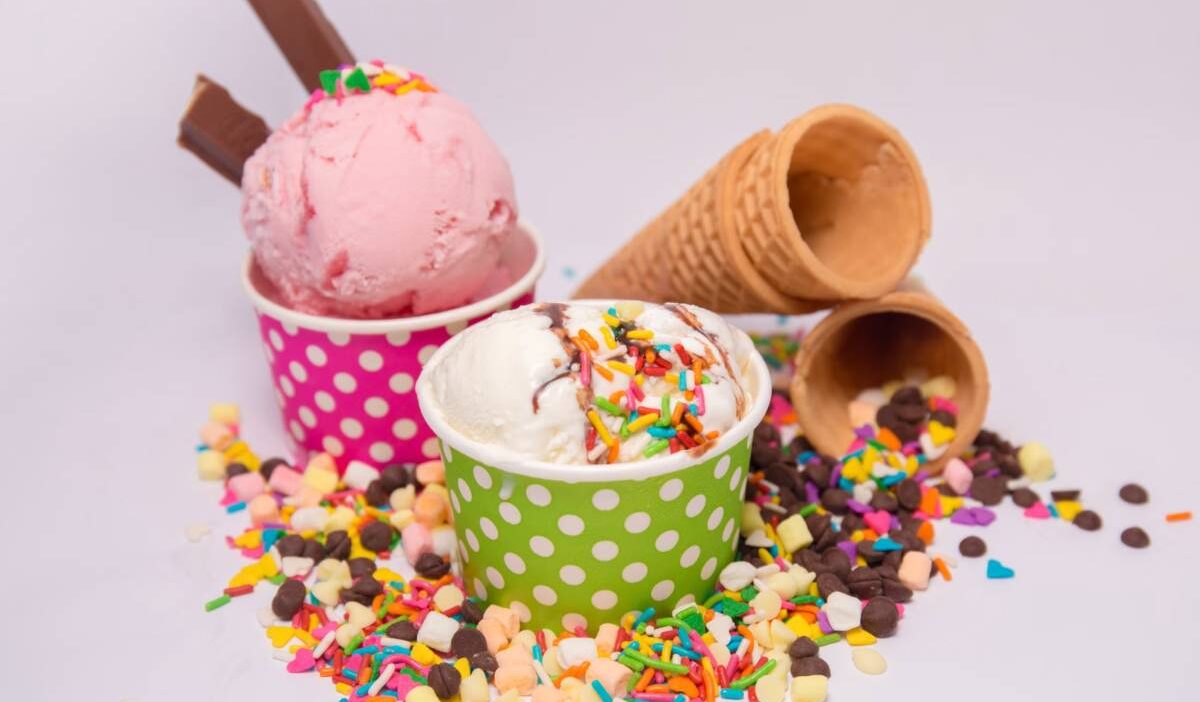
Enjoying a cold scoop on a warm day is a simple pleasure, but for anyone navigating Celiac disease or gluten sensitivity, the big question remains: Is ice cream gluten free?
While a frozen dessert may seem safe at first glance, understanding how different recipes and serving habits affect dietary safety is essential. Read our guide below to learn what to look for before taking a bite.
1. Is Ice Cream Gluten Free?
Many plain ice creams can be gluten-free because their basic ingredients, such as milk, cream, sugar, and eggs, do not naturally contain gluten.
However, the finished product may include flavorings, mix-ins, or stabilizers that change its gluten status.
A simple flavor is not automatically safe, especially when the packaging does not carry a gluten-free claim or the product is made on shared equipment.
2. Which Types of Ice Cream May Be Gluten-Free?
Start with products that have simple recipes and no baked mix-ins. The following types may be suitable when their labels and production information have been verified:
- Plain vanilla ice cream: Often made with milk, cream, sugar, vanilla, and eggs, although flavors and additives still require checking.
- Plain chocolate ice cream: May be gluten-free when the cocoa, flavoring, and other ingredients contain no gluten.
- Strawberry ice cream: Simple versions made with strawberries and a plain dairy base may be suitable.
- Coffee ice cream: May be gluten-free when it uses plain coffee or coffee extract without malt or added cookie pieces.
- Fruit sorbet: Usually made from fruit, sugar, and water, but flavorings and shared equipment can introduce gluten.
- Gelato: Plain flavors may be gluten-free, although recipes, toppings, and serving practices vary between shops.
- Soft serve: The base may contain no gluten, but ingredients, machine cleaning, cones, and toppings must be checked.
- Dairy-free ice cream: Coconut, almond, soy, or oat-based products may be gluten-free, but dairy-free does not automatically mean gluten-free.
3. Which Ice Cream Ingredients May Contain Gluten?
Gluten is more likely to appear in mix-ins, coatings, flavorings, and toppings than in plain milk or cream. Ingredients and additions that require attention include:
- Cookie pieces and cookie dough
- Brownies, cake pieces, and cheesecake crust
- Waffle cone or sugar cone fragments
- Pretzels and cereal
- Graham crackers and pie crust
- Malt, malt extract, and malt flavoring
- Barley-based ingredients
- Wheat flour or wheat starch
- Brownie batter and cake batter
- Candy containing wafers or cookie centers
- Chocolate-coated crisp pieces
- Granola that is not labeled gluten-free
- Oats without a gluten-free claim
- Flavoring or seasoning blends with unclear ingredients
- Sauces thickened with wheat flour
- Sprinkles or toppings produced on shared equipment
Cross-contact can also occur when one production line handles both gluten-free and gluten-containing flavors.
For people with celiac disease, a clear gluten-free label provides more useful information than relying on the flavor name or ingredient list alone.

4. How to Choose Packaged Gluten-Free Ice Cream?
When checking is ice cream gluten free, use the information on the exact package rather than relying on the brand or flavor name. Recipes can differ between flavors and change over time. Use this checklist:
- Look for a clear gluten-free statement on the container.
- Read the complete ingredient list for wheat, barley, rye, and malt.
- Check the allergen statement for wheat.
- Avoid cookies, brownies, cake, pretzels, cones, and pie crust unless labeled gluten-free.
- Check candy and chocolate mix-ins separately.
- Confirm that oats and granola are labeled gluten-free.
- Review flavorings, sauces, and stabilizers when their sources are unclear.
- Check for statements about shared equipment or manufacturing facilities.
- Do not assume every flavor from a gluten-free brand follows the same formula.
- Recheck familiar products after packaging or recipe changes.
- Contact the manufacturer if the label does not provide enough information.
In the United States, packaged foods labeled gluten-free must contain less than 20 parts per million of gluten. However, manufacturers are not required to place a gluten-free claim on every product that may meet this standard.
>>> Read more: Is Butter Gluten Free? 8 Safe Types and Labels to Check
5. How to Order Ice Cream Safely at a Shop?
When asking “is ice cream gluten free” at an ice cream shop, the ingredient list is only part of the answer.
Shared scoops, tubs, toppings, cones, and preparation surfaces can transfer crumbs into an otherwise suitable flavor. Use these precautions:
- Ask whether the selected flavor contains wheat, barley, rye, malt, cookies, cake, or brownie pieces.
- Check the shop’s allergen guide when one is available.
- Explain that the request concerns celiac disease or medical gluten avoidance.
- Request a clean scoop that has not touched another flavor.
- Ask staff to wash the scoop rather than rinsing it in shared water.
- Request ice cream from a newly opened container when possible.
- Avoid tubs positioned beside cookie dough or other gluten-containing flavors.
- Choose a cup instead of a regular cone.
- Confirm that toppings, syrups, and sauces are gluten-free.
- Avoid shared topping bars where utensils and crumbs move between containers.
- Ask whether soft-serve machines handle other gluten-containing products.
- Choose a packaged item with a readable label if staff cannot confirm the ingredients or preparation process.
Cross-contact in food-service settings is a practical concern. A study involving 5,624 tests found detectable gluten in 32% of restaurant foods labeled gluten-free.
The research was not specific to ice cream, but it shows why ingredient claims and preparation practices both matter when ordering food away from home.
>>> Read more: Is Buckwheat Gluten Free? The Answer May Surprise You
6. FAQs
Clear up common confusion around is ice cream gluten free with these quick, expert-backed answers to frequently asked dietary questions.
Is vanilla ice cream gluten-free?
Plain vanilla is often one of the simpler options. However, flavorings, stabilizers, shared equipment, or added cookie pieces may introduce gluten, so check the label.
Is soft-serve ice cream gluten-free?
Some soft-serve bases contain no gluten ingredients, but formulas vary. Cross-contact can also occur through shared machines, toppings, cones, or preparation tools.
Are ice cream cones gluten-free?
Most traditional waffle, sugar, and cake cones contain wheat flour. Choose a cone specifically labeled gluten-free or order the ice cream in a clean cup.
Is dairy-free ice cream also gluten-free?
Not automatically. Dairy-free describes the absence of dairy, not gluten. Plant-based ice cream may still contain cookies, malt, wheat, barley, or other gluten-containing ingredients.
Can people with celiac disease eat ice cream?
Yes, when the product is gluten-free and protected from cross-contact. Packaged ice cream with a clear gluten-free label is generally easier to verify than an open tub served with shared scoops.
7. Conclusion
Choosing a suitable ice cream requires checking more than the dairy base. Mix-ins, malt ingredients, cones, toppings, shared manufacturing lines, and serving tools can all affect the finished product.
The answer to “is ice cream gluten free?” depends on the specific flavor and how it is prepared. Select clearly labeled packaged products when possible, and ask about ingredients, clean scoops, unopened tubs, and separate serving practices at an ice cream shop.