

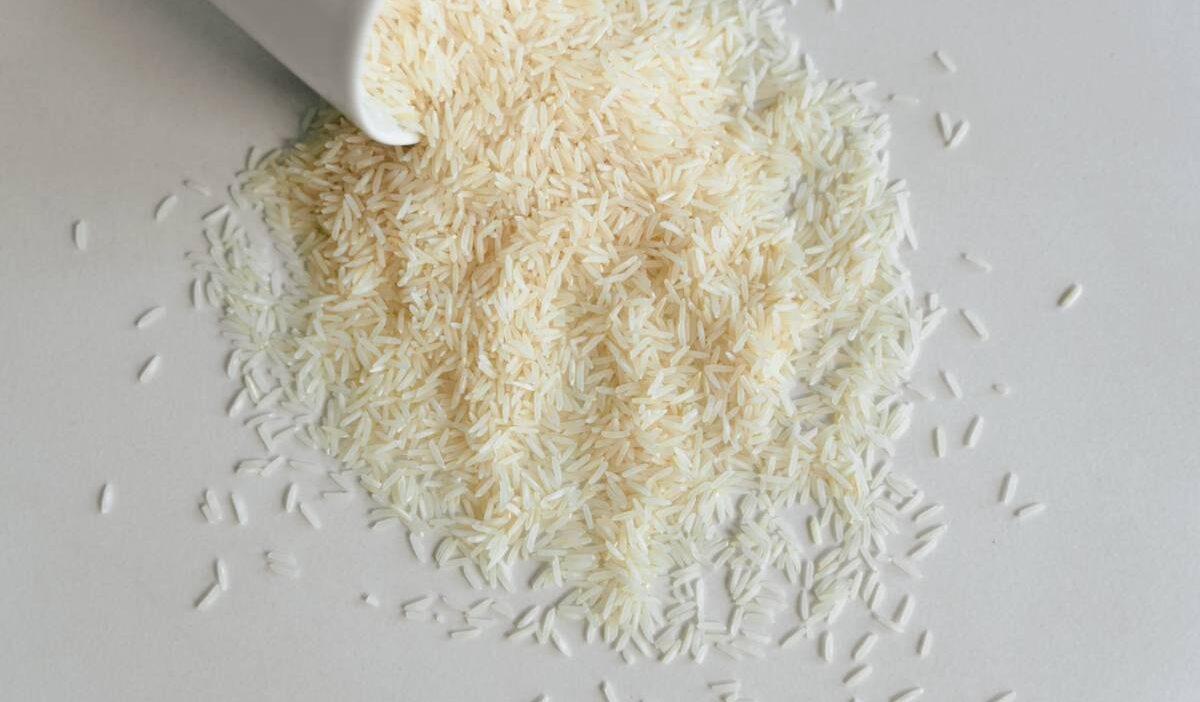
A bowl of plain white rice looks completely harmless, but added seasonings, factory processing, and restaurant preparation methods can complicate its safety.
For anyone managing Celiac disease or a strict gluten sensitivity, asking is white rice gluten free requires looking far beyond the raw grain itself. Here is what you need to know before serving your next meal.
1. Is White Rice Gluten Free?
Plain white rice is naturally gluten-free. It comes from rice grain with the bran and germ removed, and it does not contain the gluten proteins found in wheat, barley, or rye.
The gluten status can change once the rice is processed with seasonings or prepared as part of a larger dish. Packaged mixes, restaurant recipes, and shared cooking equipment therefore require more attention than plain rice cooked in water.
2. Which White Rice Products May Be Gluten-Free?
Several varieties and forms of plain white rice may fit a gluten-free diet when no gluten-containing ingredients are added:
- Long-grain white rice: A plain pantry staple that remains separate and fluffy after cooking.
- Medium-grain white rice: Often used in everyday rice dishes and recipes requiring a softer texture.
- Short-grain white rice: Common in sushi and other dishes where the grains need to hold together.
- White jasmine rice: An aromatic long-grain variety commonly used in Southeast Asian cooking.
- White basmati rice: A fragrant long-grain rice frequently served with South Asian and Middle Eastern dishes.
- Arborio rice: A short-grain white rice used for risotto.
- Glutinous white rice: Despite its name, glutinous or sticky rice refers to its texture and does not naturally contain gluten.
- Enriched white rice: Usually remains gluten-free when vitamins and minerals are the only added nutrients.
- Plain instant rice: Can be suitable when the package contains only precooked or dehydrated rice.
- Plain microwave rice: May be suitable when it contains rice, water, and no gluten-containing seasonings.
3. How Can Gluten Get Into a White Rice Dish?
The question becomes more complicated once other ingredients or shared equipment are involved. Gluten can enter the finished dish even when the rice itself is plain. Common sources include:
- Regular soy sauce made with wheat
- Broth, bouillon, or stock containing wheat
- Seasoning packets included with rice mixes
- Malt-based flavoring
- Sauces thickened with wheat flour
- Gravy added over cooked rice
- Meat or vegetables coated in flour
- Sausage and processed protein containing fillers
- Imitation seafood made with wheat starch
- Fried toppings, breadcrumbs, or crispy onions
- Rice pilaf containing orzo or other wheat pasta
- Fried rice prepared with regular soy sauce
- Sushi rice seasoned with an unverified vinegar mixture
- Shared rice cookers, pots, ladles, or serving spoons
- Rice cooked in water previously used for pasta
- Bulk rice stored near flour or other gluten-containing grains
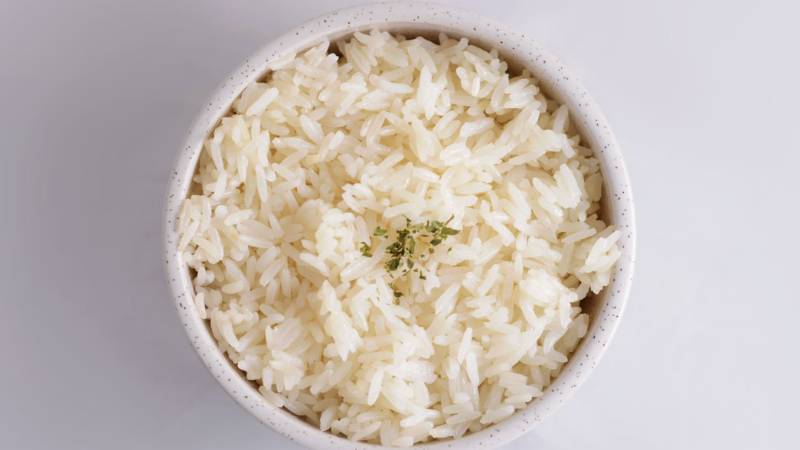
4. How to Choose and Prepare White Rice Safely?
Plain rice with no seasoning is easier to assess than a flavored pouch or boxed mix. People who must strictly avoid gluten should also consider how the rice was packaged, stored, and cooked. Use these precautions:
- Choose a package containing only white rice.
- Look for a gluten-free label when cross-contact is a medical concern.
- Check instant rice, microwave pouches, and rice mixes separately.
- Read seasoning packets for wheat, barley, rye, malt, and regular soy sauce.
- Avoid rice from bulk bins shared with other grains or flour.
- Store rice in a clean, closed container away from baking ingredients.
- Wash your hands before preparation.
- Use a clean pot, rice cooker, measuring cup, and serving spoon.
- Cook the rice in fresh water or verified gluten-free stock.
- Check oils, sauces, and seasonings before adding them.
- Keep the finished rice separate from breaded or flour-coated foods.
A 2025 study that tested retail rice found the analyzed products suitable for a gluten-free diet. However, the researchers also reviewed earlier studies in which one of 24 rice samples exceeded 20 mg/kg of gluten and two of seven samples contained between 20 and 200 mg/kg.
>>> Read more: Is Couscous Gluten Free? 6 Best Alternatives to Try
5. How to Order Gluten-Free White Rice at a Restaurant?
Restaurant preparation can change the gluten status of an otherwise plain serving of rice.
To determine is white rice gluten free, check whether the kitchen adds broth, seasoning, butter blends, soy sauce, or other ingredients that may not appear on the menu. You can use these practical tips:
- Ask whether the rice is cooked only with water and salt.
- Check whether broth, bouillon, or a seasoning mix is added.
- Ask about soy sauce in fried rice or Asian-style rice dishes.
- Confirm that rice pilaf does not contain orzo or another wheat pasta.
- Check gravy, curry, marinades, and sauces served with the rice.
- Ask whether meat or vegetables are coated with flour.
- Confirm that sushi rice seasoning contains no gluten ingredients.
- Request a clean pot, ladle, or serving spoon when possible.
- Ask whether rice is prepared near flour, noodles, or breaded food.
- Avoid buffet rice when utensils may move between dishes.
- Choose steamed white rice instead of a seasoned dish when ingredients are uncertain.
- Explain that the request concerns celiac disease rather than a preference when applicable.
>>> Read more: Is Buckwheat Gluten Free? The Answer May Surprise You
6. FAQs
Everything you need to know about is white rice gluten free, cross-contact risks, and safe packaging in one place:
Is jasmine white rice gluten-free?
Plain jasmine rice is naturally gluten-free. Flavored microwave pouches, restaurant preparations, and seasoning packets still require checking.
Is basmati white rice gluten-free?
Plain basmati rice does not naturally contain gluten. Make sure it is not cooked with an unverified broth, spice blend, or wheat-containing sauce.
Is instant white rice gluten-free?
Plain instant rice is generally suitable because it is simply precooked and dehydrated rice. Check flavored or seasoned versions separately.
Is sticky white rice gluten-free?
Yes. The word “glutinous” describes its sticky texture and does not refer to gluten. Sauces and fillings served with sticky rice may still contain wheat or barley.
Can people with celiac disease eat white rice?
Yes, plain white rice may be included in a gluten-free diet. People with celiac disease should choose products protected from cross-contact and verify every added ingredient.
7. Conclusion
Plain white rice does not naturally contain gluten, but broth, seasonings, sauces, pasta, and shared equipment can alter the finished dish. Packaged mixes and restaurant rice therefore require more attention than rice cooked at home with water.
For a gluten-free diet, is white rice gluten free enough to serve safely? It can be, provided every added ingredient has been checked and cross-contact is controlled. Review the package, use clean cookware, and ask about the complete recipe when eating away from home.