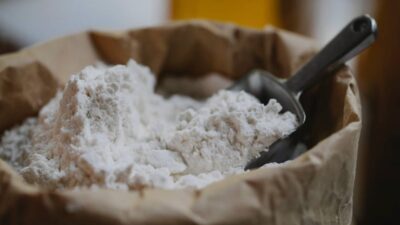


Farro often appears in grain bowls, soups, salads, and recipes marketed as wholesome alternatives to rice. However, its name does not immediately reveal whether it belongs on a gluten-free shopping list.
For anyone asking is farro gluten free, the answer depends on what farro is and how gluten-related conditions affect food choices. The sections below clarify its grain family, safety concerns, suitable substitutes, and places where farro may appear unexpectedly.
1. Is Farro Gluten Free?
No, farro is not gluten-free. Farro is an ancient type of wheat that naturally contains gluten, so processes like soaking, sprouting, pearling, or cooking do not remove the gluten and do not make it safe for a gluten-free diet.
Farro may refer to several related wheat varieties, including:
- Einkorn
- Emmer
- Spelt
Because all of these are types of wheat, they contain gluten proteins. When shopping, check labels carefully because products may be listed as farro, emmer, spelt, or other wheat-based names.
Farro is available as whole, semi-pearled, or pearled grain, which describes how much of the outer layer has been removed. These differences affect texture and cooking time but do not change its gluten content.
2. Is Farro Safe for People With Celiac Disease?
Farro is not safe for people with celiac disease. Because it is wheat, even plain farro can trigger the immune response associated with the condition.
This applies to:
- Whole farro
- Semi-pearled farro
- Pearled farro
- Farro flour
- Farro pasta
- Soups, salads, and grain bowls containing farro
- Multigrain products made with farro
A small serving or an ancient variety is not considered a safe exception. Descriptions such as “ancient grain,” “organic,” “sprouted,” or “lower in gluten” do not make farro gluten-free.
Cross-contact also matters. A restaurant may cook rice, quinoa, or another substitute in the same equipment or water used for farro. People with celiac disease should ask about the ingredients and preparation method rather than requesting only that visible farro be removed.
>>> Read More: Is Cornstarch Gluten Free? 7 Important Facts Before You Use It
3. Farro vs. Other Grains: Which Are Gluten Free?
Farro is sometimes grouped with quinoa, rice, and millet because they are prepared in similar ways. Their gluten status, however, is different.
| Grain | Contains Gluten? | Suitable for a Gluten-Free Diet? |
| Farro | Yes | No |
| Wheat | Yes | No |
| Barley | Yes | No |
| Rye | Yes | No |
| Quinoa | No, naturally gluten-free | Yes, when protected from cross-contact |
| Brown rice | No, naturally gluten-free | Yes |
| Buckwheat | No, despite its name | Yes, when not blended with wheat |
| Millet | No, naturally gluten-free | Yes, when protected from cross-contact |
Quinoa, brown rice, buckwheat, and millet can replace farro in many meals. Packaged grains should still be checked for gluten-containing blends and shared-processing warnings, particularly when they are intended for someone with celiac disease.
4. Best Gluten-Free Alternatives to Farro
Knowing is farro gluten free can help you avoid gluten-containing grains, but there are plenty of gluten-free substitutes available. These options can replace farro while still adding texture, flavor, and nutrition to your meals.
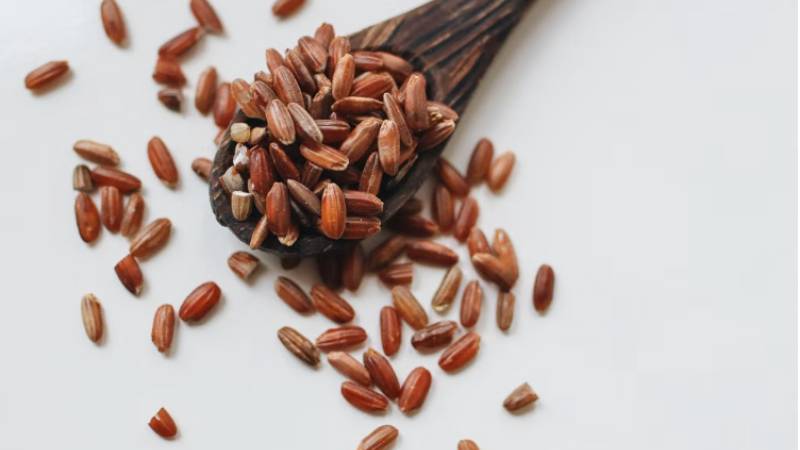
- Brown rice: Its firm texture works well in grain bowls, stuffed vegetables, and warm side dishes. Short-grain brown rice is softer, while long-grain varieties remain more separate.
- Quinoa: This option cooks faster than farro and has a lighter texture. Use it in salads, bowls, and dishes where you want the grain to absorb dressing.
- Buckwheat groats: Despite the name, buckwheat is unrelated to wheat. Its earthy flavor makes it suitable for pilafs, porridge, and savory bowls.
- Sorghum: Whole sorghum has a firm, chewy bite that comes closer to farro than many other substitutes. It works particularly well in soups and cold salads.
- Millet: Millet has a mild taste and can be cooked fluffy or soft. It is useful in side dishes, breakfast bowls, and casseroles.
- Gluten-free oat groats: Whole oat kernels offer a chewy texture but take longer to cook. Choose oats specifically labeled gluten-free because ordinary oats face a high risk of contact with wheat during farming and processing.
5. How to Avoid Farro When Following a Gluten-Free Diet
If you are asking is farro gluten free, the answer is no, so checking ingredient labels is essential. Farro may appear under names such as einkorn, emmer, or spelt.
The Celiac Disease Foundation’s list of gluten sources identifies farro and these related wheat varieties as ingredients to avoid on a gluten-free diet.
- Read ingredient lists for farro, emmer, einkorn, and spelt.
- Check multigrain bread, crackers, pasta, cereal, and baking mixes.
- Ask what grain is used in restaurant salads, soups, risottos, and grain bowls.
- Do not rely on descriptions such as “ancient grain” or “heritage grain.”
- Avoid removing farro from an already prepared dish because gluten may remain elsewhere in the food.
- Ask whether cooking pots, serving spoons, strainers, or preparation surfaces are shared.
- Choose packaged substitutes with gluten-free labeling when cross-contact presents a medical concern.
When ordering a grain bowl, name the restriction clearly. Asking for “no farro” may remove that ingredient but does not tell the kitchen that shared preparation also matters.
>>> You might be interested in: Is Cheese Gluten Free? Which Types Are Safe to Eat
6. FAQs
What is similar to farro but gluten-free?
Whole sorghum is one of the closest options because it remains firm and chewy after cooking. Brown rice, quinoa, and buckwheat groats are also useful, depending on the recipe.
Is farro okay for gluten intolerance?
No. Farro contains gluten and may cause symptoms in people with non-celiac gluten sensitivity or other gluten-related conditions. Anyone with celiac disease must avoid it because gluten causes an immune response that damages the small intestine.
Is farro an inflammatory grain?
Farro is not considered inflammatory for everyone. However, its gluten causes intestinal inflammation and damage in people with celiac disease. Someone with wheat allergy or non-celiac wheat or gluten sensitivity may also react, although the biological cause is different.
Is farro good for your gut?
Whole farro provides fiber, which can support regular digestion for people who tolerate wheat. It is not beneficial for someone with celiac disease because its gluten can injure the small intestine. Personal tolerance and medical needs matter more than farro’s general nutrition profile.
7. Conclusion
The clear answer to is farro gluten free is no because farro belongs to the wheat family.
Einkorn, emmer, spelt, pearled farro, and whole farro are therefore unsuitable for a gluten-free diet. Sorghum, brown rice, quinoa, buckwheat, and millet can provide similar uses without introducing a gluten-containing grain.