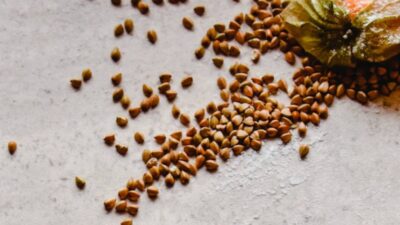

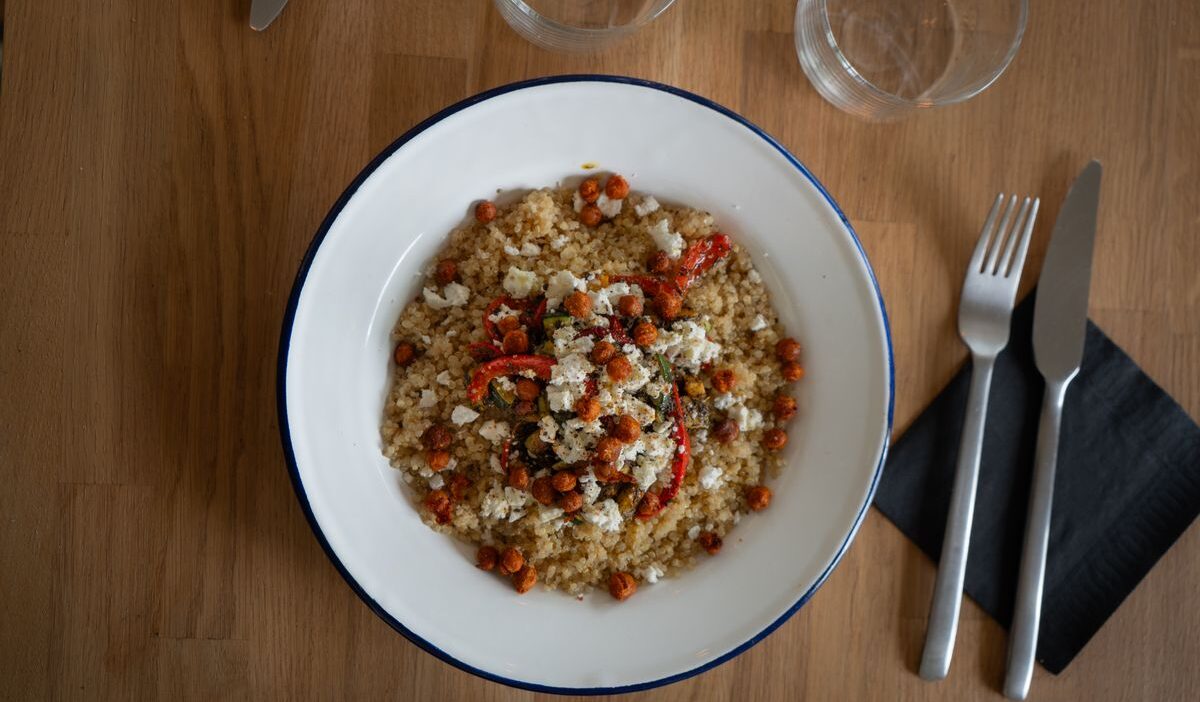
Quinoa is popular in salads, grain bowls, soups, and gluten-free recipes, but its safety depends on more than the seed itself. Is quinoa gluten free in every form? Plain quinoa is naturally free from gluten, including white, red, black, and tricolor varieties.
However, packaged mixes, restaurant dishes, and products made with quinoa may be exposed to wheat, barley, or rye. Understanding labels, cross-contact risks, and preparation methods can help people with celiac disease or gluten sensitivity enjoy quinoa more confidently.
1. Is Quinoa Gluten Free?
Yes. Plain quinoa is naturally gluten-free and does not contain the gluten proteins found in wheat, barley, or rye. It is a seed commonly used as a grain alternative and can be included in many gluten-free diets.
All common quinoa varieties, including white, red, black, and tricolor quinoa, are naturally gluten-free. Their flavor, texture, and cooking time may vary, but their gluten status is the same.
However, quinoa may not always be safe for people with celiac disease or strict gluten avoidance if cross-contact occurs during harvesting, processing, packaging, or preparation.
When buying packaged quinoa, look for gluten-free labeling or certification if avoiding even small amounts of gluten is necessary.
2. Is Quinoa Safe for People with Celiac Disease?
Yes. Pure quinoa is naturally gluten free and can generally be eaten by people with celiac disease when it is properly handled. However, quinoa may come into contact with gluten during harvesting, processing, packaging, or preparation.
The Mayo Clinic includes quinoa among foods that may fit a gluten-free diet. For people who need strict gluten avoidance, choosing quinoa labeled or certified gluten free can provide more confidence.
In the United States, the FDA requires foods labeled “gluten-free” to contain fewer than 20 parts per million of gluten. A gluten-free label is optional, but products using this claim must meet this standard.
If symptoms occur after eating quinoa, consider other possible causes with guidance from a healthcare professional instead of assuming gluten is the reason.
>>> You might be interested in: Is Sourdough Bread Gluten Free? Surprising Facts You Must Know
3. How to Choose and Prepare Gluten-Free Quinoa Safely?
Before cooking quinoa, check both the product and your preparation area. These six steps can reduce cross-contact risks and help ensure the finished dish remains suitable for a gluten-free diet.
- Step 1: Read the Entire Package Label
Review the ingredient list, gluten-free claim, allergen statement, and any warning about shared processing equipment. Do not assume a product is safe based only on the word “quinoa” printed on the front.
- Step 2: Choose Certified Gluten-Free Quinoa When Necessary
When asking is quinoa gluten free, remember that plain quinoa is naturally gluten free, but people with celiac disease or medical gluten restrictions should prioritize quinoa labeled or certified gluten-free.
Certification provides additional assurance that the product meets established gluten limits and follows appropriate manufacturing controls.
- Step 3: Avoid Unlabeled Bulk-Bin Quinoa
Bulk bins create a higher risk of cross-contact because customers may move scoops between containers. Packaged quinoa with clear labeling and an intact seal is generally easier to evaluate.
- Step 4: Rinse Quinoa Before Cooking
Place quinoa in a clean, fine-mesh strainer and rinse it under cool running water. Rinsing helps remove its naturally bitter saponin coating and loose debris, although it cannot make contaminated quinoa gluten-free.
- Step 5: Use Clean Cookware and Utensils
Clean the pot, strainer, measuring cup, spoon, countertop, and other preparation surfaces. Avoid equipment that still contains flour dust, pasta residue, or crumbs from gluten-containing foods.
- Step 6: Cook It with Gluten-Free Ingredients
Use water or verified gluten-free broth and check every seasoning, sauce, dressing, and topping. Regular soy sauce, malt-based ingredients, and certain seasoning blends may introduce gluten into an otherwise safe quinoa dish.
>>> Read More: How Long Does Asparagus Last in the Fridge and How to Keep It Crisp?
4. How Can Quinoa Become Contaminated with Gluten?
Quinoa is naturally gluten-free, but it can become contaminated with gluten during growing, processing, packaging, or preparation. When deciding is quinoa gluten free, the answer depends not only on the quinoa itself but also on how it is handled before it reaches your plate.
The Celiac Disease Foundation notes that naturally gluten-free foods may experience cross-contact with gluten-containing grains during production.
- Growing, Harvesting, and Transportation
Quinoa may come into contact with wheat, barley, or rye if farms use shared equipment, storage areas, or transportation methods without proper cleaning.
- Processing and Packaging
Manufacturers may process quinoa in facilities that also handle gluten-containing grains. Shared equipment, flour dust, or leftover grain particles can create a risk of cross-contact if proper controls are not used.
- Bulk Bins and Food Preparation
Bulk-bin quinoa can be harder to verify because shared scoops or nearby products may introduce gluten. At home or in restaurants, shared utensils, cooking equipment, broths, sauces, or toppings may also affect whether quinoa remains gluten free.
For people with celiac disease or strict gluten avoidance, choosing labeled or certified gluten-free quinoa and checking preparation methods can help reduce the risk of gluten exposure.
5. Which Quinoa Products May Contain Gluten?
Plain quinoa is naturally gluten-free, but quinoa-based products may contain gluten depending on the ingredients and processing methods. Always check the label instead of assuming a product is safe because it contains the word “quinoa.”
Asking is quinoa gluten free is especially important when buying a prepared or multi-ingredient product.
| Product | Possible Gluten Risk |
| Flavored quinoa packets | Seasonings, sauces, or thickeners may contain gluten |
| Quinoa pasta | May include wheat flour or other gluten-containing ingredients |
| Quinoa bread or baked goods | Often combined with other flours that may contain gluten |
| Ready-made quinoa bowls or salads | May include croutons, regular soy sauce, or unsafe dressings |
| Quinoa flour | Naturally gluten-free but may have cross-contact during milling |
For people with celiac disease or strict gluten avoidance, choose products with a clear gluten-free label or certification and review the full ingredient list before eating.
6. FAQs
Is Quinoa an Anti-Inflammatory Food?
Quinoa contains fiber, minerals, and plant compounds that can support a healthy diet. While it may be part of an anti-inflammatory eating pattern, quinoa is not a treatment for inflammation. Its effects depend on overall diet, health conditions, and individual needs.
What Grains Can Celiacs Eat?
People with celiac disease can eat naturally gluten-free grains and seeds such as quinoa, rice, corn, millet, sorghum, teff, and buckwheat. Certified gluten-free oats may also work for some people. Always check labels to avoid gluten cross-contact.
Is Quinoa Good for Your Gut?
Yes. Quinoa contains dietary fiber that can support digestion and healthy gut bacteria. However, some people may experience bloating when eating large amounts. Rinsing quinoa before cooking and introducing it gradually may help improve tolerance.
What Is Surprisingly Not Gluten-Free?
Many foods that seem gluten-free may contain hidden gluten, including regular soy sauce, malt vinegar, some broths, seasoning mixes, flavored snacks, and salad dressings. Always check ingredient labels because “wheat-free” does not always mean gluten-free.
Conclusion
The short answer to is quinoa gluten free is yes: plain quinoa naturally contains no gluten and may fit into a celiac-friendly diet. The primary concern is cross-contact during processing, storage, or preparation.
Choosing labeled or certified gluten-free quinoa, reading every ingredient list, and using clean cooking equipment can make this nutritious seed a safer addition to gluten-free meals.