

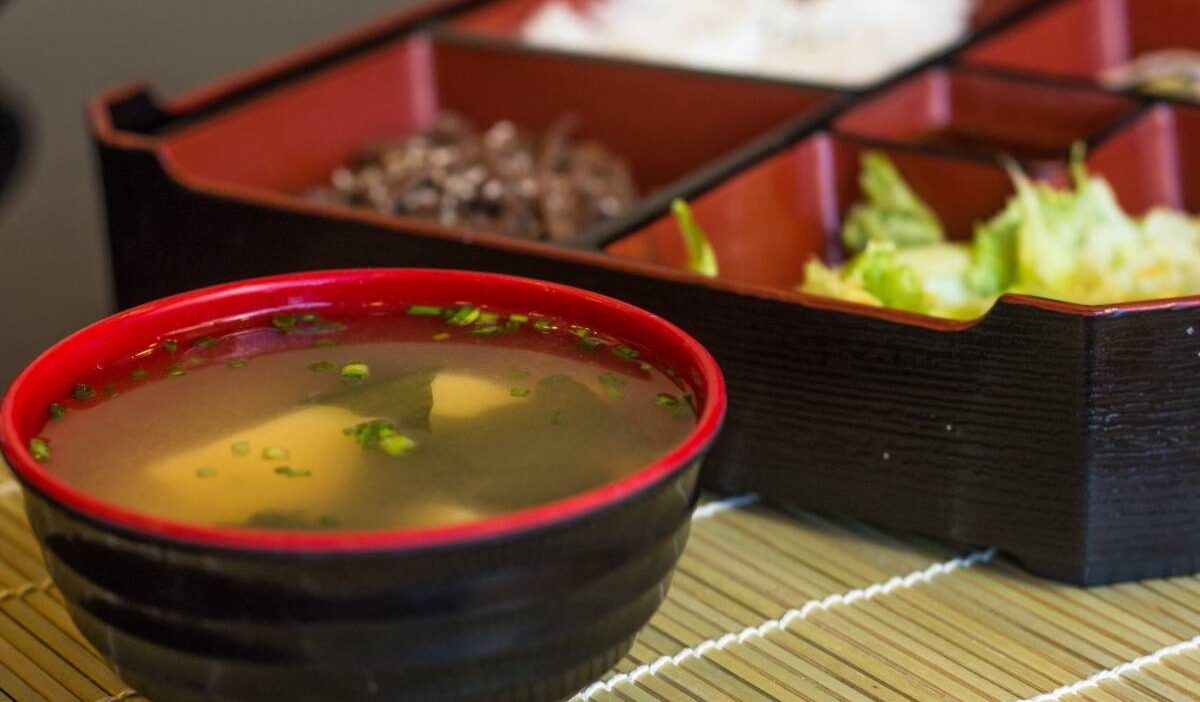
Miso soup is a familiar part of Japanese cuisine, loved for its comforting broth and rich, savory flavor. With ingredients such as tofu, seaweed, and fermented soybean paste, it may seem like a straightforward choice for someone avoiding gluten.
However, is miso soup gluten free when you order it at a restaurant or buy an instant soup packet? The answer depends largely on the type of miso paste, broth, and seasonings used. Here’s how to recognize the differences and choose a suitable option.
1. Is Miso Soup Gluten Free?
Miso soup can be gluten-free, but traditional and restaurant versions are not automatically safe for a gluten-free diet. Its main ingredient, miso paste, is a fermented seasoning commonly made from soybeans, salt, and koji produced using rice, barley, or soybeans.
Some varieties use naturally gluten-free ingredients, while others contain barley, which is a source of gluten.
The finished soup may also contain ingredients that require checking:
- Miso paste: Rice-based and soybean-based versions can be gluten-free, while barley miso contains gluten.
- Broth: Traditional dashi may be gluten-free, but some packaged broth powders contain additional seasonings.
- Soy sauce: Regular soy sauce commonly contains wheat.
- Instant soup packets: May include gluten-containing flavorings or toppings.
For people with celiac disease, verifying the complete recipe is essential because even a naturally gluten-free miso paste can be served with ingredients containing gluten.
2. Which Miso Soup Ingredients May Contain Gluten?
A typical bowl of miso soup contains miso paste, dashi broth, and ingredients such as tofu, wakame seaweed, or green onions. Most of these are naturally gluten-free, but certain additions can change the finished dish.
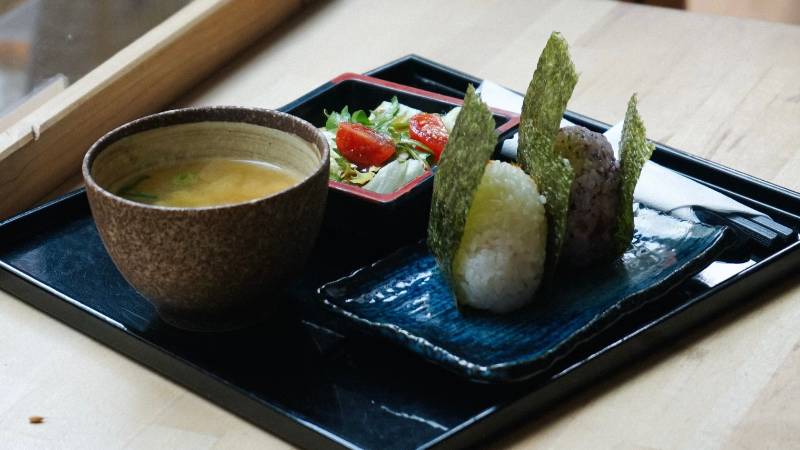
Here are the ingredients worth examining:
- Barley miso: Mugi miso is produced using barley koji and contains gluten.
- Regular soy sauce: Some recipes add soy sauce for extra flavor, introducing wheat.
- Instant dashi powder: Certain products contain seasonings, flavorings, or other ingredients that require verification.
- Prepared toppings: Seasoned tofu, fried tofu products, noodles, or premade garnishes may contain wheat.
- Instant miso soup mixes: These often combine several ingredients in one packet, making individual labels important.
If you’re wondering is miso soup gluten free when dining out, cross-contact is another important consideration, especially in restaurants where gluten-containing sauces and noodles are prepared nearby.
The key is to check the entire dish, not just the miso paste. Even soup made with gluten-free miso may contain gluten through added ingredients or shared preparation equipment.
>>> Read more: Is Buckwheat Gluten Free? The Answer May Surprise You
3. Which Types of Miso Are Gluten Free?
Not all miso pastes are made from the same grains. According to Kikkoman’s guide to miso, Japanese miso varieties are commonly distinguished by the ingredients used to produce koji, which supports fermentation.
Understanding these differences makes choosing gluten-free miso considerably easier.
Kome Miso
Kome miso, or rice miso, is traditionally made from soybeans, rice koji, and salt. Since rice and soybeans are naturally gluten-free, plain kome miso can be suitable for a gluten-free diet.
However, check the product label for added ingredients and manufacturing information.
Mame Miso
Mame miso is made primarily from soybeans, soybean koji, and salt, without traditional wheat or barley ingredients.
Its deep color and strong, savory flavor make it popular in richer soups. Like rice miso, it can be gluten-free when properly manufactured.
Mugi Miso
Mugi miso is not gluten-free because it contains barley. This variety uses barley koji, giving it a distinctive aroma and mild sweetness.
People with celiac disease should avoid conventional mugi miso, even when the rest of the soup contains gluten-free ingredients.
Awase Miso
Awase miso is a blend of two or more miso varieties. Its gluten-free status depends on which types are combined.
A mixture of rice and soybean miso may be suitable, while a blend containing barley miso is not. Always check the exact ingredients rather than relying on the term awase.
4. How to Make Gluten-Free Miso Soup at Home
Preparing miso soup yourself makes it easier to control the ingredients and avoid unwanted gluten exposure. Once you’ve established is miso soup gluten free with your chosen ingredients, the cooking process is relatively simple.
Follow these steps for a homemade version.
- Step 1: Choose Gluten-Free Miso Paste
Start with verified gluten-free rice miso or soybean miso. Avoid barley miso and check blended varieties carefully.
- Step 2: Check the Broth
Prepare traditional dashi using plain kombu and bonito flakes, or choose a packaged broth clearly labeled gluten-free.
- Step 3: Avoid Wheat-Based Soy Sauce
Miso already provides plenty of savory flavor, so additional soy sauce may be unnecessary. When needed, use a clearly labeled gluten-free tamari.
- Step 4: Review Instant Miso Soup Labels
For convenient alternatives, examine the miso paste, broth powder, seasoning packets, and toppings separately.
- Step 5: Prevent Cross-Contact
Use clean pots, utensils, and preparation surfaces. Keep gluten-containing sauces and seasonings away from your soup ingredients.
Under FDA gluten-free labeling requirements, regulated products labeled gluten-free must meet specific ingredient requirements and contain less than 20 parts per million (ppm) of gluten.
5. Can People With Celiac Disease Eat Miso Soup?
Yes, people with celiac disease can eat miso soup when all ingredients are gluten-free and cross-contact is prevented. Rice miso and soybean miso are generally better starting points than barley-based varieties, but their labels still need verification.
At home, you can control the miso paste, broth, and toppings. But is miso soup gluten free when ordered at a restaurant? That depends on the ingredients and preparation methods, as some restaurants use premade soup bases or shared cooking equipment.
Before ordering, consider these questions:
- Which miso paste is used? Confirm that it does not contain barley or wheat.
- What goes into the broth? Ask about soy sauce and packaged seasonings.
- How is the soup prepared? Check whether shared utensils or cooking equipment create cross-contact risks.
When staff cannot verify the ingredients, choosing another dish may be safer.
>>> Read more: Is Ghee Dairy Free? What to Know About Lactose and Milk Allergies
6. FAQs
Can celiacs eat miso paste?
Yes, people with celiac disease can eat verified gluten-free miso made from rice or soybeans. Barley miso should be avoided, and blended varieties require ingredient checks.
Which miso soup is gluten-free?
Soup made with verified gluten-free rice or soybean miso, suitable dashi, and gluten-free toppings can be a good option. When determining is miso soup gluten free, always consider the full recipe rather than the miso type alone.
Can miso soup trigger IBS?
Yes, some people with irritable bowel syndrome (IBS) may experience symptoms after eating miso soup, depending on their individual sensitivities and the ingredients used. Gluten-free status does not necessarily determine whether a food will trigger IBS symptoms.
Why can’t celiacs eat soy sauce?
Traditional soy sauce often contains wheat, making it unsuitable for people with celiac disease unless the product meets gluten-free requirements. Clearly labeled gluten-free tamari is a common alternative.
7. Conclusion
Miso soup can fit into a gluten-free diet, but its safety depends on the ingredients used to prepare it. Rice-based and soybean-based miso are generally suitable options, while barley miso contains gluten and should be avoided.
The answer to is miso soup gluten free also depends on the broth, seasonings, and preparation methods. By choosing verified ingredients and preventing cross-contact, you can enjoy the comforting flavors of miso soup while maintaining a gluten-free diet.