

Cornmeal is a pantry staple in many kitchens, especially for making cornbread, polenta, grits, and crispy coatings. Because it comes from corn rather than wheat, it often appears in recipes designed for gluten-free diets.
However, choosing the right product involves more than checking its main ingredient. Is cornmeal gluten free when it’s processed in shared mills, sold in bulk bins, or mixed with other baking ingredients? Understanding these differences can help you shop and cook with greater confidence.
1. Is Cornmeal Gluten Free?
Yes, pure cornmeal is naturally gluten-free because it’s made from ground corn, which does not contain the gluten proteins found in wheat, barley, or rye.
However, not all cornmeal products are guaranteed gluten-free. Packaged cornmeal may experience cross-contact during milling or processing, while prepared cornmeal mixes can contain wheat flour or other gluten-containing ingredients.
For people with celiac disease, choosing cornmeal clearly labeled gluten-free provides additional assurance that the product meets applicable gluten-free standards.
The Celiac Disease Foundation also recommends checking for potential cross-contact when purchasing naturally gluten-free grains.
2. Which Types of Cornmeal Are Gluten Free?
Is cornmeal gluten free regardless of its type? While plain cornmeal is naturally gluten-free, processing methods and added ingredients can affect individual products. Here’s what to know about different varieties.
Here’s how common types compare.
| Cornmeal Type | Naturally Gluten Free? | What to Check |
| Yellow cornmeal | Yes | Look for plain corn without added ingredients. |
| White cornmeal | Yes | Check manufacturing and packaging information. |
| Blue cornmeal | Yes | Verify processing conditions when necessary. |
| Fine-ground cornmeal | Yes | Grinding size does not affect gluten content. |
| Medium-ground cornmeal | Yes | Choose gluten-free labeling for additional assurance. |
| Coarse-ground cornmeal | Yes | Check for cross-contact during milling. |
| Stone-ground cornmeal | Yes | Traditional mills may process multiple grains. |
| Self-rising cornmeal mix | Depends | May contain wheat flour and other additives. |
| Cornbread mix | Depends | Often includes flour beyond cornmeal. |
The main difference is between pure cornmeal and prepared mixes. Yellow, white, and blue cornmeal can all be suitable, while self-rising products require closer inspection.
Some manufacturers offer dedicated gluten-free options. For example, Bob’s Red Mill sells a separately labeled Gluten Free Medium Grind Cornmeal.
3. When Can Cornmeal Contain Gluten?
For anyone asking is cornmeal gluten free, the biggest concern is usually not the corn itself. Gluten exposure can occur at different stages between milling and preparing the finished dish.
Shared Mills and Manufacturing Equipment
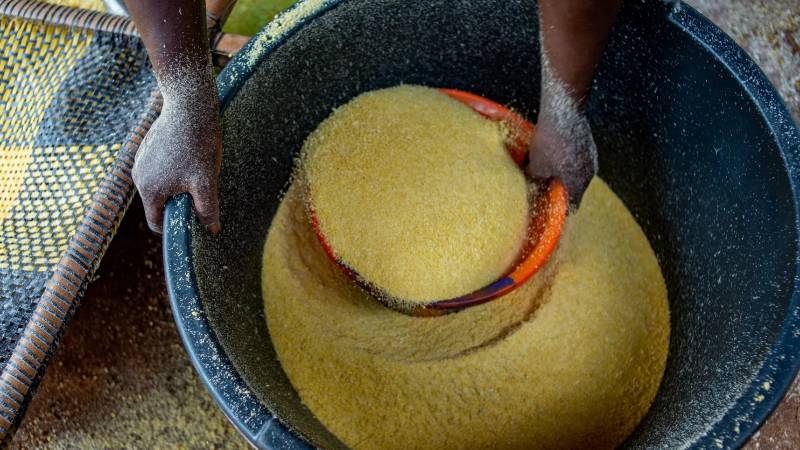
Cornmeal may be produced in facilities that also process wheat, barley, or rye.
Shared machinery can leave gluten-containing residues that transfer to naturally gluten-free products. This is especially important for people with celiac disease.
Some manufacturers maintain separate gluten-free production procedures or test products to reduce these risks.
Bulk Bins and Shared Scoops
Bulk food sections can introduce another source of cross-contact.
A scoop used for wheat flour and then placed in a cornmeal bin may transfer gluten. Open containers can also be exposed to nearby flour particles.
For strict gluten-free diets, sealed packages are generally easier to assess than unlabeled bulk products.
Added Ingredients in Cornmeal Mixes
Cornmeal mixes are not always made exclusively from corn.
Self-rising cornmeal, cornbread mixes, and seasoned coating products may contain:
- Wheat flour for texture or structure.
- Malt-based flavorings.
- Gluten-containing seasonings or other additions.
Always review the complete ingredient list before assuming a cornmeal-based product is gluten-free.
>>> Read more: Is Buckwheat Gluten Free? The Answer May Surprise You
4. Are Cornbread, Polenta, and Grits Gluten Free?
Knowing is cornmeal gluten free is only part of the picture. Foods made with cornmeal, such as cornbread, polenta, and grits, may have different ingredients and preparation methods that affect their gluten-free status.
Cornbread
Traditional cornbread recipes often combine cornmeal with wheat flour. As a result, regular cornbread is not necessarily gluten-free, even when cornmeal is its main ingredient.
Gluten-free versions can use certified gluten-free cornmeal and suitable flour alternatives.
Polenta
Plain polenta is generally gluten-free because it is made from ground corn and water.
However, packaged or restaurant versions may contain broth, seasonings, or other additions that require verification. Cross-contact during preparation also matters.
Grits
Plain grits are another naturally gluten-free corn product. They are typically made from dried, ground corn and prepared with water or milk.
Instant flavored grits and restaurant dishes may contain additional ingredients, so checking the specific product remains important.
For all three dishes, gluten-free cornmeal is only one part of preparing a suitable finished meal.
5. How to Choose Gluten-Free Cornmeal
Shopping for cornmeal becomes easier when you know which details matter most. Rather than assuming every corn-based product is suitable, use a simple checklist.
When determining is cornmeal gluten free, check the following:
- Choose plain cornmeal: Look for products containing only ground corn.
- Check gluten-free labeling: Prefer clearly labeled or certified gluten-free options when strict avoidance is necessary.
- Review manufacturing information: Look for details about shared equipment or gluten testing.
- Avoid unclear bulk products: Sealed packages are generally easier to verify.
- Read cornmeal mix ingredients: Check for wheat flour, barley, rye, and malt.
- Verify individual products: Do not assume every cornmeal sold by the same brand is gluten-free.
Under FDA gluten-free labeling rules, regulated foods labeled gluten-free must meet specific ingredient requirements and contain less than 20 parts per million (ppm) of gluten.
6. How to Use Cornmeal Without Gluten Cross-Contact
To prevent gluten cross-contact when cooking with cornmeal, use clean equipment, separate ingredients, and check everything added to your recipe. These precautions are especially important for people with celiac disease.
Follow these five simple steps:
- Clean cooking surfaces: Wash countertops, bowls, pans, and utensils to remove wheat flour residue.
- Use separate measuring tools: Keep dedicated scoops for gluten-free cornmeal or thoroughly wash shared equipment.
- Avoid wheat flour exposure: Store wheat flour separately and keep flour dust away from gluten-free ingredients.
- Check other ingredients: Verify that seasonings, baking powder, sauces, and other additions are gluten-free.
- Store food safely: Keep cornmeal and prepared dishes in sealed, labeled containers to prevent accidental cross-contact.
>>> Read more: Is Couscous Gluten Free? 6 Best Alternatives to Try
7. FAQs
Can a celiac eat cornmeal?
Yes, people with celiac disease can eat cornmeal that is gluten-free and protected from cross-contact. When checking is cornmeal gluten free, product labeling and manufacturing practices are especially important.
Which brands of cornmeal are gluten-free?
Bob’s Red Mill offers a specifically labeled Gluten Free Medium Grind Cornmeal. Other manufacturers may sell suitable products, but always verify the exact variety rather than assuming every product from a brand is gluten-free.
Why are celiacs so tired?
Fatigue can result from inflammation, nutrient malabsorption, or deficiencies such as iron-deficiency anemia associated with celiac disease. Persistent tiredness should be evaluated by a healthcare professional.
8. Conclusion
Cornmeal offers plenty of possibilities for gluten-free cooking, from creamy polenta to homemade cornbread. Its corn-based ingredients are naturally gluten-free, although processing conditions and prepared mixes can introduce additional concerns.
The answer to is cornmeal gluten free is straightforward for pure cornmeal, but choosing a suitable product still requires attention to labeling and cross-contact. With verified ingredients, clean equipment, and careful storage, cornmeal can remain a dependable part of your gluten-free kitchen.