

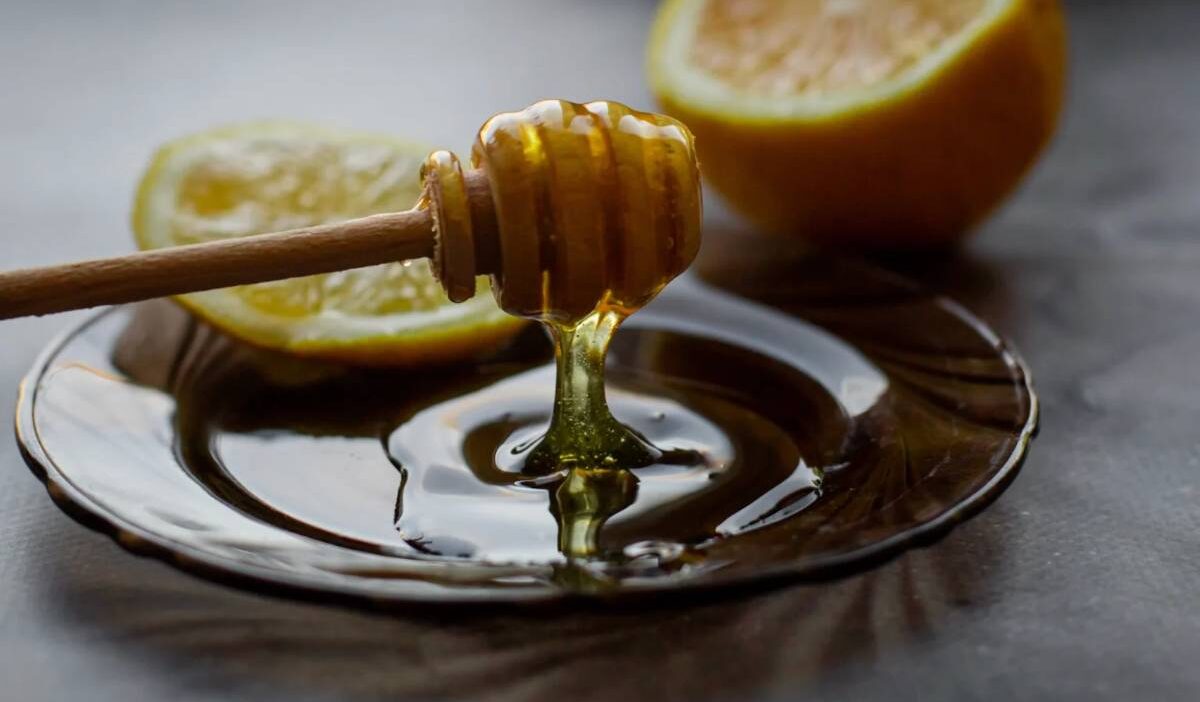
Honey has been a kitchen staple for centuries, finding its way into everything from morning tea to baked goods and marinades. With its natural sweetness and simple origins, it might seem like an ingredient that needs little explanation.
Still, people following a gluten-free diet may have questions about flavored honey, powdered varieties, and packaged products. Understanding is honey gluten free involves looking beyond the honey itself to how different products are made and handled.
1. Is Honey Gluten Free?
Yes, pure honey is naturally gluten-free. Bees produce honey from flower nectar, and the resulting product does not naturally contain wheat, barley, rye, or the gluten proteins found in these grains.
This applies to ordinary honey sold in jars or bottles, whether it is raw, filtered, or pasteurized. The processing method may affect its appearance and texture, but it does not inherently introduce gluten.
However, not every product marketed as honey contains only honey.
The main differences are:
- Pure honey: Naturally gluten-free without additional ingredients.
- Flavored honey: May contain added flavorings that require verification.
- Honey powder: Often includes carriers or anti-caking ingredients.
- Honey-containing foods: May contain wheat flour, malt, or other gluten sources.
For people with celiac disease, plain honey is generally a straightforward choice, provided it has not experienced gluten cross-contact.
2. Which Types of Honey Are Gluten Free?
Now that you know the answer to is honey gluten free, let’s explore how raw, organic, Manuka, and flavored honey compare and whether any varieties require extra attention to their ingredients.
| Honey Type | Naturally Gluten Free? | What to Check |
| Raw honey | Yes | Pure honey without added ingredients |
| Filtered honey | Yes | Processing does not normally introduce gluten |
| Pasteurized honey | Yes | Heat treatment does not affect gluten status |
| Manuka honey | Yes | Check that the product contains only honey |
| Clover honey | Yes | Naturally gluten-free when pure |
| Wildflower honey | Yes | Floral source does not determine gluten content |
| Acacia honey | Yes | Usually sold without added ingredients |
| Honeycomb | Yes | Pure honeycomb is naturally gluten-free |
| Infused honey | Depends | Additional spices, flavorings, or extracts |
| Honey powder | Depends | Carrier ingredients such as starches or maltodextrin |
The floral source does not determine whether honey contains gluten. Manuka, clover, wildflower, and acacia honey are all naturally gluten-free in their pure forms.
The distinction becomes more important with specialty products. Honey infused with herbs or fruit may remain gluten-free, while powdered honey or honey blends require closer inspection.
3. When Can Honey Contain or Contact Gluten?
Although pure honey contains no gluten, certain products and preparation methods can introduce ingredients that make it unsuitable for a strict gluten-free diet.
When evaluating is honey gluten free, consider how the product differs from ordinary honey.
Flavored and Infused Honey
Honey infused with cinnamon, vanilla, chili, or fruit is often gluten-free, but additional ingredients should still be checked.
Most herbs and spices do not naturally contain gluten. However, specialty flavoring blends may include additives or ingredients derived from gluten-containing grains.
Honey Blends and Honey Powder
Honey blends may combine honey with syrups, flavorings, or other sweeteners. Powdered honey usually requires a carrier ingredient to create its dry texture. Many products use naturally gluten-free ingredients, but the exact formulation matters.
Check for wheat-derived ingredients, barley malt, or unclear additions.
Shared Manufacturing Equipment
Honey products may be processed or packaged in facilities that handle other foods. Although gluten cross-contact is not a typical concern with sealed, single-ingredient honey, it can become relevant when manufacturers also produce flavored products or baking ingredients.
Foods Made With Honey
Honey-glazed cookies, granola bars, cereals, and baked goods are not automatically gluten-free. Even when honey is the main sweetener, the finished food may contain wheat flour, barley malt, or other gluten-containing ingredients.
>>> Read more: Is Cornmeal Gluten Free? Labels, Mixes, and Cross-Contact Explained
4. How to Choose Honey Safely on a Gluten-Free Diet
Buying honey for a gluten-free diet is usually simple, especially when you choose a product containing only honey. Specialty varieties deserve a little more attention.
Use this checklist when shopping:
- Choose pure honey: Single-ingredient products are generally the easiest to assess.
- Read flavored honey labels: Check added spices, extracts, and flavoring blends.
- Verify powdered honey: Review carrier ingredients and anti-caking agents.
- Look for gluten-free labeling: Consider clearly labeled or certified products when additional assurance is necessary.
- Check manufacturing information: Contact the manufacturer if cross-contact concerns remain unclear.
- Review honey-containing foods separately: Never assume a snack or dessert is gluten-free because it contains honey.
According to the FDA’s gluten-free labeling requirements, regulated products labeled gluten-free must meet specific ingredient standards and contain less than 20 parts per million (ppm) of gluten.
A gluten-free label can provide additional assurance, but its absence does not automatically mean that pure honey contains gluten.
5. Can People With Celiac Disease Eat Honey?
Yes, people with celiac disease can generally eat pure honey. Since honey naturally contains no gluten, it does not trigger the gluten-related immune response associated with celiac disease.
However, the question of is honey gluten free becomes more relevant when choosing specialty honey products or preparing food in a shared kitchen.
A few precautions can help:
- Stick to simple ingredients: Pure honey generally presents fewer uncertainties than flavored blends.
- Avoid shared utensils: Keep bread knives and other utensils out of communal honey jars.
- Check prepared foods: Verify the complete ingredients in honey-based sauces, cereals, and desserts.
Celiac disease primarily affects the small intestine, where gluten exposure can cause inflammation and damage. Avoiding cross-contact therefore remains important even when the original ingredient is naturally gluten-free.
>>> Read more: Is Buckwheat Gluten Free? The Answer May Surprise You
6. FAQs
Which brands of honey are gluten-free?
Many brands offer pure honey products that are naturally gluten-free, including varieties from Sue Bee, Nature Nate’s, and Comvita. Check the specific product’s current ingredient list and gluten-free labeling rather than assuming every product from a brand is suitable.
What organ is most affected by celiac disease?
The small intestine is the primary organ affected by celiac disease. Gluten exposure triggers an immune response that damages its lining and can interfere with nutrient absorption, according to the Celiac Disease Foundation.
What do celiacs eat for lunch?
Suitable options include rice bowls, salads with gluten-free dressings, baked potatoes, and sandwiches made with gluten-free bread. Ingredients and preparation methods should be checked to prevent cross-contact.
Is honey safe for celiac?
Pure honey is generally safe for people with celiac disease because it naturally contains no gluten. Flavored honey, powdered honey, and products containing honey may require additional verification.
7. Conclusion
A spoonful of pure honey can sweeten tea, yogurt, or homemade recipes without introducing gluten. Raw, filtered, and most floral varieties share the same naturally gluten-free characteristics, making them easy additions to a gluten-free pantry.
The considerations change with flavored blends, honey powder, and prepared foods. While the answer to is honey gluten free is straightforward for pure honey, checking added ingredients and preventing cross-contact remain worthwhile habits, particularly for people with celiac disease.