
Sugar is one of those everyday ingredients that rarely gets a second thought. It goes into coffee, homemade desserts, sauces, and countless packaged foods. Yet, for anyone managing celiac disease or gluten sensitivity, even basic pantry staples can raise questions.
The important thing to understand about is sugar gluten free is that sugar itself and products containing sugar are not necessarily the same. Different varieties, added ingredients, and handling practices can affect what ends up in your food.
1. Is Sugar Gluten Free?
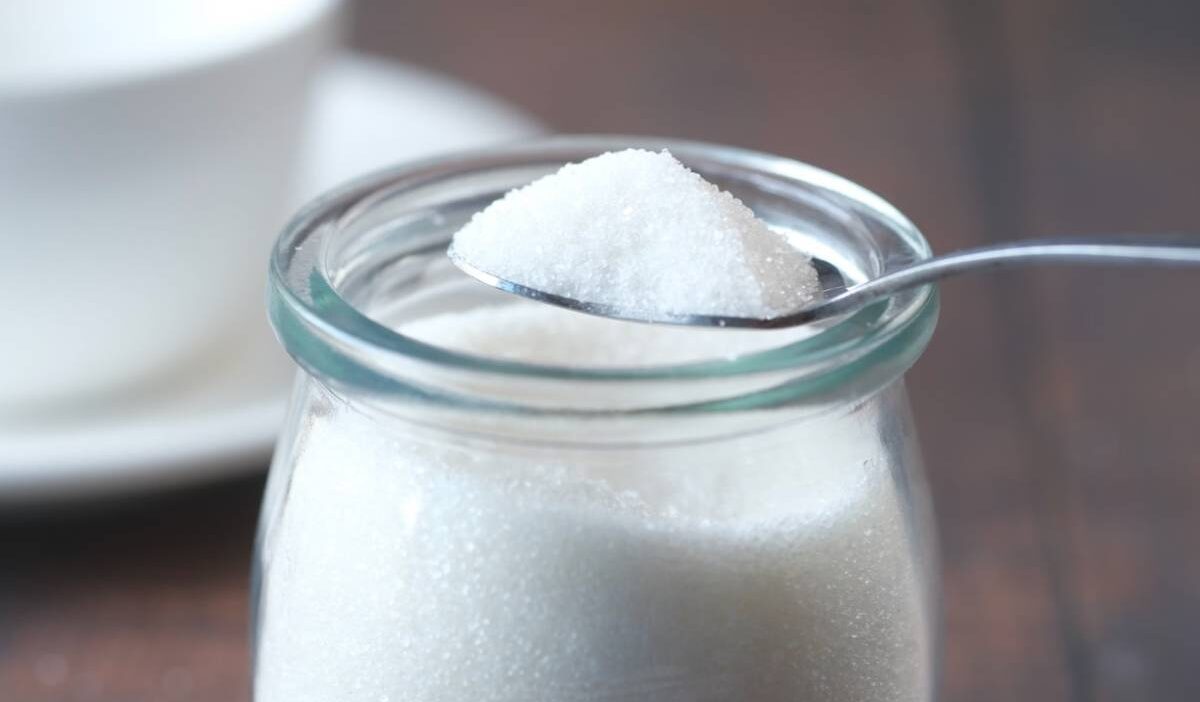
Yes, pure sugar is naturally gluten-free. Both sugarcane and sugar beets, the two main sources of commercial sugar, do not contain gluten. This means ordinary white granulated sugar, brown sugar, and raw sugar are generally suitable for people following a gluten-free diet.
Unlike wheat, barley, and rye, sugar does not contain the proteins responsible for gluten-related reactions.
However, some sugar products include ingredients beyond sugar itself. Powdered sugar may contain starch to prevent clumping, while flavored varieties can include additional seasonings or extracts.
For most shoppers, the main distinctions are:
- Plain sugar: Naturally gluten-free.
- Powdered sugar: Usually gluten-free, but check the added starch.
- Flavored sugar: Depends on the ingredients used.
- Sugar-containing mixes: May contain flour, malt, or other gluten sources.
The ingredient list matters more than the product’s sweetness or appearance.
2. Which Types of Sugar Are Gluten Free?
Most sugars sold for everyday cooking and baking are naturally gluten-free. The main differences come from processing methods and ingredients added to specialty products.
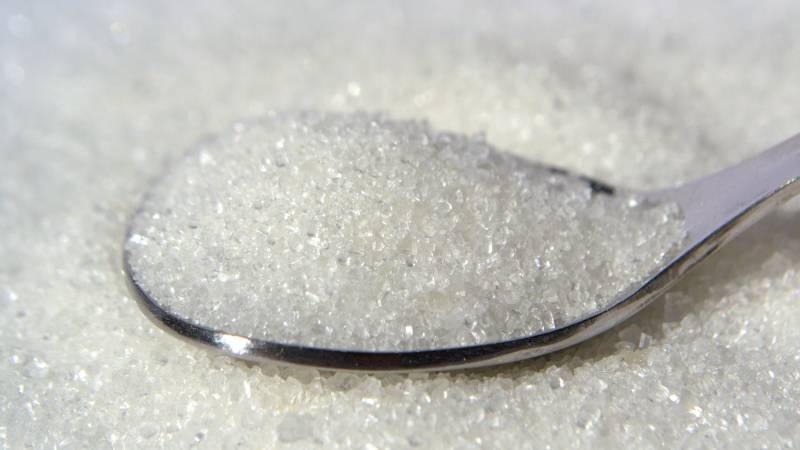
Here’s how common sugar varieties compare.
| Sugar Type | Naturally Gluten Free? | What to Check |
| White granulated sugar | Yes | Usually contains only refined sugar. |
| Brown sugar | Yes | Typically made from sugar and molasses. |
| Raw cane sugar | Yes | Naturally gluten-free when sold without additives. |
| Turbinado sugar | Yes | A minimally refined cane sugar. |
| Demerara sugar | Yes | Generally contains no gluten ingredients. |
| Coconut sugar | Yes | Made from coconut palm sap; check flavored versions. |
| Powdered sugar | Usually | May contain cornstarch or another anti-caking ingredient. |
| Flavored sugar | Depends | Review flavorings, malt, and other additions. |
| Sugar substitutes and blends | Depends | Check additional ingredients and manufacturing information. |
Powdered sugar deserves particular attention. Most commercial varieties use cornstarch as an anti-caking agent, which is naturally gluten-free. However, specialty or imported products may use different starches, so checking the label is worthwhile.
It’s also important to distinguish pure sugar from prepared dessert ingredients. A bag of granulated sugar and a cake mix containing sugar have very different ingredient profiles.
3. When Can Sugar Contain or Contact Gluten?
The question of is sugar gluten free becomes more complicated when sugar is combined with other ingredients or handled near gluten-containing foods.
Although pure sugar contains no gluten, several situations deserve attention:
- Wheat-based starches: Some specialty powdered sugar products may contain wheat-derived starches. Check the source and gluten-free labeling.
- Malt flavoring: Certain flavored sugar products can contain barley malt or malt-based ingredients.
- Dessert mixes: Frosting, baking, and dessert mixes may combine sugar with wheat flour or other gluten-containing ingredients.
- Manufacturing cross-contact: Shared equipment or packaging lines can introduce gluten into otherwise gluten-free products.
- Shared storage and utensils: Sugar containers can become contaminated when scoops previously used for wheat flour are reused.
The last concern is particularly relevant in home baking. Flour dust, shared measuring cups, and open containers create opportunities for cross-contact.
For someone with celiac disease, these handling practices matter even when the sugar originally came from a gluten-free source.
>>> Read more: Is Hummus Gluten Free? Ingredients and Safety Tips
4. How to Choose Gluten-Free Sugar Safely
Buying gluten-free sugar usually requires little effort, especially when choosing ordinary granulated varieties. However, a consistent approach can help when purchasing specialty products or preparing food for someone with celiac disease.
- Step 1: Choose Plain Sugar
White, brown, and raw sugar are straightforward options because they generally contain naturally gluten-free ingredients.
- Step 2: Check Added Ingredients
Review powdered, flavored, or specialty sugars for wheat, barley, rye, and malt. Pay attention to unfamiliar starches and flavoring blends.
- Step 3: Look for Gluten-Free Labeling
When additional assurance is necessary, consider products with a clear gluten-free claim or independent certification.
Under FDA gluten-free labeling rules, regulated foods labeled gluten-free must satisfy specific ingredient requirements and contain less than 20 parts per million (ppm) of gluten.
- Step 4: Prevent Cross-Contact
Use clean scoops, sealed containers, and separate preparation surfaces. Avoid storing open sugar containers near wheat flour.
- Step 5: Verify Unclear Products
Contact the manufacturer when ingredient information or gluten-free status remains uncertain.
5. Is Sugar Safe for People With Celiac Disease?
Pure sugar is generally safe for people with celiac disease because it does not naturally contain gluten. There is no need to avoid ordinary sugar solely because of a gluten-free diet.
However, someone asking is sugar gluten free may also need to consider how it is packaged, stored, and used in prepared foods.
Three practical precautions can help:
- Choose simple products: Plain sugar with no additional ingredients is generally easiest to assess.
- Check specialty varieties: Powdered and flavored sugars may require additional label verification.
- Maintain a gluten-free preparation area: Prevent contact with wheat flour, baking mixes, and shared utensils.
Remember that gluten-free does not necessarily mean healthier. Sugar remains a source of added sugars regardless of its gluten content, so general dietary recommendations still apply.
>>> Read more: Is Buckwheat Gluten Free? The Answer May Surprise You
6. FAQs
What is surprisingly not gluten-free?
Traditional soy sauce, barley malt, some salad dressings, and certain flavored snacks may contain gluten. Always check ingredients rather than assuming a product is gluten-free based on appearance.
Can you eat sugar if you’re gluten-free?
Yes, plain sugar is naturally gluten-free. When considering is sugar gluten free, the main concerns are specialty additives and possible cross-contact rather than sugar itself.
Does peanut butter have gluten?
Plain peanut butter made from peanuts and salt is naturally gluten-free. However, flavored varieties and products containing cookie pieces or other additions may contain gluten.
Why are celiacs so tired?
Fatigue can occur in people with celiac disease due to inflammation, nutrient malabsorption, or deficiencies such as iron-deficiency anemia. Persistent fatigue should be evaluated by a healthcare professional rather than assumed to result from gluten exposure alone.
7. Conclusion
There’s usually no reason to replace ordinary white or brown sugar when switching to a gluten-free diet. These everyday ingredients come from naturally gluten-free plants and are suitable for most people avoiding gluten.
The bigger concern is what happens when sugar is mixed with flavorings, starches, or other dessert ingredients. Understanding is sugar gluten free helps you distinguish simple pantry staples from products that require closer inspection. With careful label reading and clean kitchen practices, choosing suitable sugar is generally straightforward.