
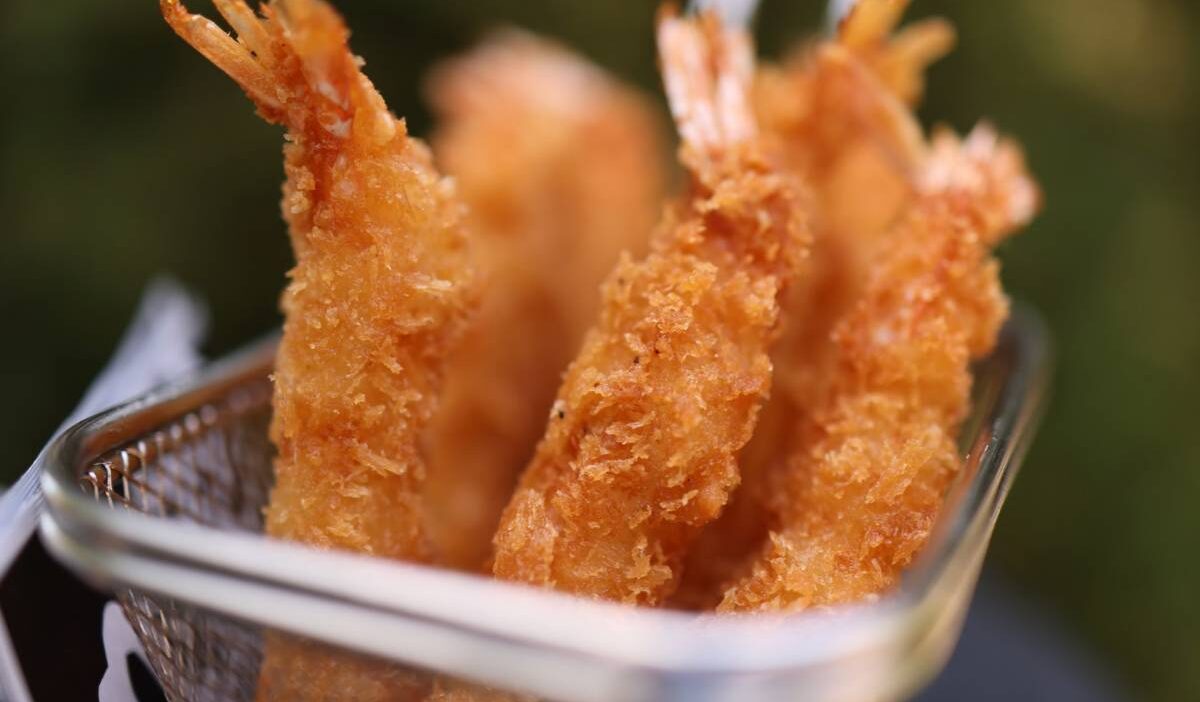
Golden, crispy tempura is one of the most recognizable dishes in Japanese cuisine. Whether it’s shrimp, sweet potato, or vegetables, the light coating makes tempura a popular choice at restaurants and at home.
But is tempura gluten free, or does its delicate batter contain ingredients you should avoid? The answer involves more than the flour. Frying oil, dipping sauces, and kitchen preparation can all affect whether tempura is suitable for a gluten-free diet.
1. Is Tempura Gluten Free?
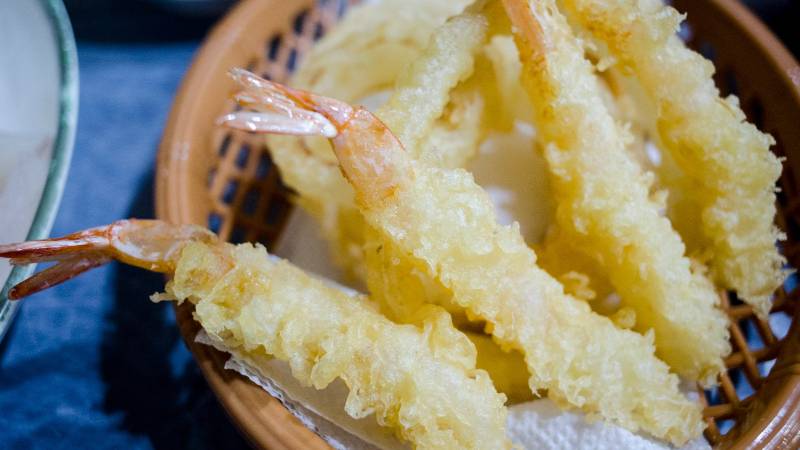
No, traditional tempura is generally not gluten-free because its batter contains wheat flour. Although shrimp, fish, and vegetables are naturally gluten-free, coating them in conventional tempura batter introduces gluten.
Traditional recipes typically combine wheat flour with cold water and sometimes eggs. This mixture creates the delicate, crispy texture that makes tempura distinctive.
However, gluten-free alternatives are possible. Rice flour, cornstarch, and specially formulated gluten-free flour blends can produce a similarly light coating without wheat.
There are three things to consider before eating tempura:
- Batter: Traditional versions contain wheat flour.
- Frying oil: Shared fryers may introduce gluten through cross-contact.
- Dipping sauce: Conventional soy sauce often contains wheat.
For people with celiac disease, all three must be addressed. Simply replacing wheat flour does not automatically make the finished dish safe.
2. What Ingredients in Tempura Contain Gluten?
If you’re wondering is tempura gluten free, the ingredients in its batter and dipping sauce provide the answer.
Traditional tempura batter typically combines wheat flour, cold water, and sometimes eggs. Although water and eggs are naturally gluten-free, the wheat flour makes the finished coating unsuitable for a gluten-free diet.
Packaged mixes may also contain wheat. For example, Kikkoman Tempura Mix includes wheat flour alongside cornstarch.
Tempura dipping sauce (tentsuyu) often contains regular soy sauce, which is commonly brewed with wheat. Gluten-free rice flour and clearly labeled gluten-free tamari can be suitable alternatives when preparing tempura at home.
>>> Read more: Is Cheese Gluten Free? Which Types Are Safe to Eat
3. Are Different Types of Tempura Gluten Free?
Whether you’re ordering shrimp tempura or preparing vegetables at home, the question of is tempura gluten free depends primarily on the coating and preparation method.
The ingredients inside the batter are often naturally gluten-free, but conventional frying methods can change that.
| Tempura Component | Traditional Version | Gluten-Free Alternative |
| Shrimp tempura | Wheat flour batter | Shrimp coated in gluten-free batter |
| Vegetable tempura | Wheat flour batter | Vegetables coated in rice flour batter |
| Fish tempura | Conventional tempura batter | Fish prepared with certified gluten-free flour |
| Tempura batter | Wheat flour, water, sometimes eggs | Rice flour, cornstarch, or gluten-free flour blend |
| Tempura dipping sauce | Often contains regular soy sauce | Sauce made with gluten-free tamari |
| Frying oil | May be shared with wheat-battered foods | Fresh oil in a clean, dedicated fryer |
| Packaged tempura mix | Often contains wheat flour | Clearly labeled gluten-free tempura mix |
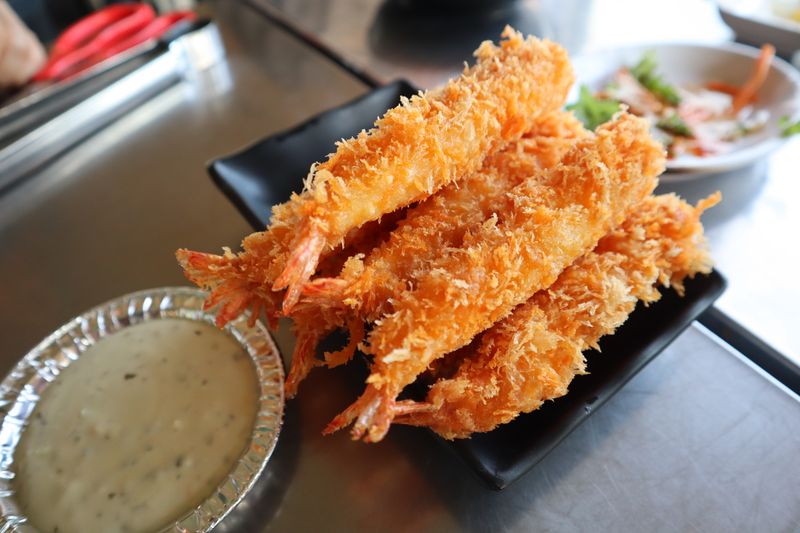
The filling alone cannot determine whether tempura is gluten-free. Shrimp tempura and vegetable tempura carry similar risks when coated in the same wheat-based batter.
Restaurant preparation is particularly important because gluten-free ingredients may still come into contact with wheat during frying.
4. How to Order Gluten-Free Tempura at a Restaurant
Finding gluten-free tempura at a Japanese restaurant can be challenging, especially when the kitchen uses one fryer for several dishes.
Before ordering, ask the staff about the batter, oil, and preparation process. A dedicated gluten-free menu is helpful, but it does not automatically guarantee protection from cross-contact.
Use this checklist:
- Ask about the batter: Does it contain wheat flour or a verified gluten-free alternative?
- Check packaged mixes: Some mixtures contain wheat alongside rice flour or cornstarch.
- Confirm the frying oil: Is a separate fryer used for gluten-free dishes?
- Review dipping sauces: Does the restaurant provide gluten-free tamari or another suitable option?
- Check seasonings: Are marinades, spice blends, and toppings gluten-free?
- Explain dietary requirements: Tell staff when you have celiac disease and need strict cross-contact precautions.
When the restaurant cannot confirm its ingredients or frying procedures, choosing another dish may be safer.
5. How to Make Gluten-Free Tempura at Home
Making tempura at home gives you greater control over ingredients and preparation. Once you’ve checked is tempura gluten free with your chosen recipe, the next step is preventing gluten from entering the dish during cooking.
Follow these steps for a crispy gluten-free alternative.
- Step 1: Choose Plain Ingredients
Start with fresh shrimp, fish, or vegetables. Avoid ingredients that have already been marinated, breaded, or seasoned unless their gluten-free status is confirmed.
- Step 2: Prepare Gluten-Free Batter
Use rice flour or a certified gluten-free flour blend with cold water. An egg can be added depending on your preferred recipe.
- Step 3: Verify Packaged Ingredients
Check starches, spices, and other additions before mixing the batter. Do not assume every product containing rice flour is gluten-free.
- Step 4: Heat Fresh Oil
Use fresh oil in a clean pot or dedicated fryer. Maintain an appropriate frying temperature, typically around 340–360°F (170–180°C), depending on the ingredients.
- Step 5: Prevent Cross-Contact
Keep wheat flour, conventional breadcrumbs, and shared utensils away from your preparation area. Use separate bowls, tongs, and cooking equipment.
- Step 6: Serve With Gluten-Free Condiments
Pair the finished tempura with gluten-free tamari, plain salt, or a homemade dipping sauce prepared from verified ingredients.
6. Is Gluten-Free Tempura Safe for People With Celiac Disease?
Gluten-free tempura can be safe for people with celiac disease when every ingredient is verified and cross-contact is prevented. Replacing wheat flour is an important first step, but it does not address every potential source of gluten.
The biggest concern is often shared frying oil. According to the Gluten Intolerance Group, traditionally fried Japanese dishes such as tempura are generally not gluten-free, and shared cooking oil can introduce gluten.
For safer preparation, focus on three essential conditions:
- Verified gluten-free batter: Use suitable flour, starches, and seasonings.
- Dedicated frying equipment: Avoid oil previously used for wheat-battered foods.
- Gluten-free sauces: Check soy sauce, dipping sauce, and other condiments.
For people with celiac disease, these precautions are necessary even when the original shrimp, fish, or vegetables contain no gluten.
7. FAQs
Is tempura rice or wheat?
Traditional tempura batter is usually made with wheat flour, although gluten-free versions can use rice flour. Therefore, is tempura gluten free depends on the batter ingredients and how the food is prepared.
What kind of Japanese food is gluten-free?
Plain rice, sashimi, edamame, and some grilled dishes can be gluten-free. However, sauces, marinades, and cross-contact should always be checked.
What is surprisingly not gluten-free?
Traditional soy sauce, tempura, imitation crab, and some miso-based dishes may contain gluten. Certain seasonings and sauces also use wheat or barley ingredients.
Can celiac patients eat sushi?
Yes, people with celiac disease can eat sushi made with verified gluten-free ingredients. Watch for imitation crab, tempura fillings, regular soy sauce, and cross-contact during preparation.
8. Conclusion
So, is tempura gluten free? Traditional tempura usually isn’t because its batter contains wheat flour. However, gluten-free alternatives made with rice flour or suitable starches are possible.
By choosing gluten-free ingredients, sauces, and dedicated frying equipment, you can still enjoy crispy tempura while following a gluten-free diet.