
Cap’n Crunch has been a breakfast favorite for generations, known for its sweet flavor and unmistakable crunch. But when you’re shopping for someone with celiac disease or following a gluten-free diet yourself, familiar cereals deserve a closer look.
The ingredient list might seem promising because Cap’n Crunch is made primarily from corn and oats. So, is Captain Crunch gluten free, or are there risks that aren’t immediately obvious on the package? Let’s examine what the manufacturer says, how different varieties compare, and which cereals offer safer alternatives.
1. Is Captain Crunch Gluten Free?
No, Cap’n Crunch is not considered a verified gluten-free cereal. Although its core recipes do not contain wheat, barley, or rye as ingredients, the manufacturer does not claim that its cereals are gluten-free.
According to the official Cap’n Crunch FAQ, the company acknowledges a potential risk of gluten cross-contact and has not verified that its products meet FDA gluten-free labeling requirements.
This distinction is important because:
- No gluten-containing ingredients listed doesn’t necessarily mean a product is gluten-free.
- Oats can be exposed to gluten during growing, harvesting, transportation, or processing.
- Without verified gluten-free status, consumers cannot assume the finished cereal meets the relevant standard.
For people with celiac disease or those who must strictly avoid gluten, choosing a clearly labeled gluten-free cereal is the more reliable option.
2. Why Isn’t Cap’n Crunch Considered Gluten Free?
The main concern with Cap’n Crunch is not an obvious wheat ingredient. Instead, it involves the oats used in the cereal and the possibility of gluten entering the product during production.
Oat Flour and Gluten Cross-Contact
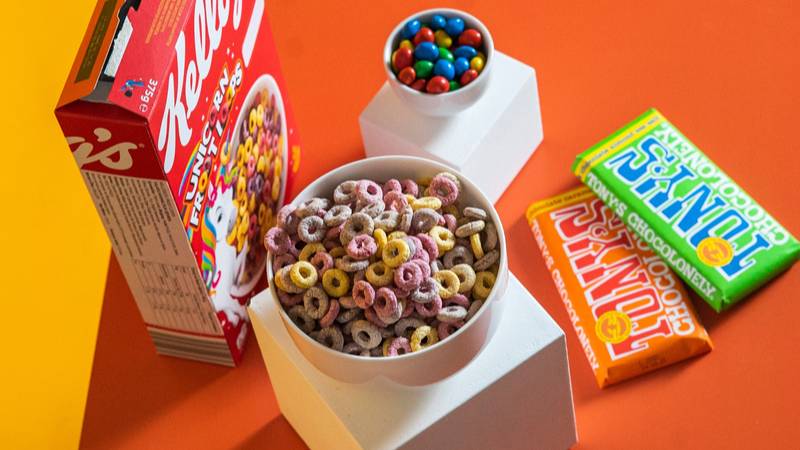
When asking is Captain Crunch gluten free, oat flour is one ingredient worth examining. Cap’n Crunch Original contains corn flour and oat flour, alongside sugar, vegetable oil, and other ingredients.
Although oats are naturally gluten-free, they can come into contact with wheat, barley, or rye throughout the supply chain.
Potential sources of cross-contact include:
- Agricultural equipment used to harvest different grains
- Shared storage and transportation facilities
- Processing machinery handling gluten-containing grains
That means oat flour isn’t automatically suitable for a strict gluten-free diet unless appropriate controls are in place.
Lack of Verified Gluten-Free Status
The second issue is the manufacturer’s position on gluten-free labeling.
Under FDA regulations, foods labeled gluten-free must meet specific requirements, including containing less than 20 parts per million (ppm) of gluten.
Cap’n Crunch states that it has not verified compliance with this standard. Importantly, this doesn’t prove that every box contains gluten. It means the manufacturer cannot assure consumers that its products meet gluten-free labeling requirements.
For someone with celiac disease, that uncertainty is a meaningful reason to choose another cereal.
>>> Read more: Is Cheese Gluten Free? Which Types Are Safe to Eat
3. Are Any Cap’n Crunch Varieties Gluten Free?
Cap’n Crunch comes in several varieties, including fruit-flavored and peanut butter versions. However, changing the flavor doesn’t necessarily remove the concerns surrounding gluten cross-contact.
The manufacturer does not identify its core cereal lineup as gluten-free.
| Cap’n Crunch Variety | Gluten-Free Status | What to Know |
| Cap’n Crunch Original | Not verified gluten-free | Contains oat flour; potential gluten cross-contact |
| Cap’n Crunch Crunch Berries | Not verified gluten-free | Fruit-flavored pieces don’t eliminate cross-contact concerns |
| Cap’n Crunch Peanut Butter Crunch | Not verified gluten-free | Peanut butter flavor doesn’t guarantee gluten-free status |
| Cap’n Crunch Oops! All Berries | Not verified gluten-free | No verified gluten-free claim from the manufacturer |
| Other limited-edition varieties | Must be checked individually | Ingredients and manufacturing details may differ |
The absence of a gluten-free claim does not prove gluten is present, but it means these products should not be treated as verified gluten-free choices.
If you’re wondering is Captain Crunch gluten free, remember that the absence of a gluten-free claim doesn’t necessarily mean the cereal contains gluten. However, it shouldn’t be considered a verified gluten-free option.
Before purchasing your favorite Cap’n Crunch flavor, check its current packaging and manufacturer information, as ingredients and limited-edition recipes may change over time.
3. Is Captain Crunch Safe for People With Celiac Disease?
Cap’n Crunch is not recommended for people with celiac disease because it is not verified gluten-free and may be exposed to gluten cross-contact during manufacturing.
Although some Cap’n Crunch varieties do not list obvious gluten-containing ingredients, this does not guarantee they meet strict gluten-free requirements.
People with celiac disease should prioritize cereals clearly labeled gluten-free. Independent certification can provide additional assurance, while products containing oats should use appropriately sourced gluten-free oats.
When preparing breakfast, use clean utensils and avoid shared containers that may introduce gluten.
For strict gluten avoidance, choosing a verified gluten-free cereal is the safer option.
4. What Are Some Gluten-Free Alternatives to Cap’n Crunch?
Now that you know the answer to is Captain Crunch gluten free, you may want to explore other cereals that better suit your dietary needs. Here are some gluten-free alternatives worth considering.
Chex Gluten-Free Cereals
Chex offers several clearly labeled gluten-free varieties, including Rice Chex, Corn Chex, and selected flavored options.
- Rice Chex: Light, crispy squares with a relatively mild flavor.
- Corn Chex: Crunchy, corn-based cereal suitable for breakfast or snack mixes.
- Cinnamon Chex: A sweeter option for people who enjoy flavored cereals.
However, not every Chex product is gluten-free. Wheat Chex, for example, contains wheat.
Nature’s Path Gluten-Free Cereals
Nature’s Path produces several gluten-free cereals, including selected corn-based and whole-grain varieties.
Some products offer a lighter sweetness, while others provide more pronounced flavors. Check the specific package for gluten-free labeling or certification.
EnviroKidz Cereals
EnviroKidz, a Nature’s Path brand, offers sweet, crunchy cereals that may appeal to children and adults who enjoy Cap’n Crunch. Depending on availability, options include Gorilla Munch and other products identified as gluten-free.
These are worth considering if you want a cereal that feels more like a traditional sweet breakfast treat.
Gluten-Free Oat Cereals
If you prefer oat-based cereal, look for products made with oats that meet gluten-free labeling requirements.
Be aware that regular oat cereal and gluten-free oat cereal aren’t interchangeable. Oats need appropriate sourcing and processing controls to reduce cross-contact concerns.
None of these alternatives is guaranteed to taste exactly like Cap’n Crunch, but they provide different ways to enjoy a crunchy breakfast while avoiding gluten.
>>> Read more: Is Buckwheat Gluten Free? The Answer May Surprise You
5. FAQs
Which Cereals Are Gluten-Free?
Several Rice Chex and Corn Chex varieties, selected Nature’s Path cereals, and certain EnviroKidz products are labeled gluten-free. Always check the specific product because not every cereal within a brand is suitable.
Why Are Crunch Bars Not Gluten-Free?
Crunch chocolate bars are different from Cap’n Crunch cereal, and their ingredients vary by product and market. Check the current label and manufacturer’s gluten information rather than assuming every Crunch bar has the same status.
Can Celiacs Have M&M’s?
Some M&M’s varieties may have no gluten-containing ingredients, but formulations and cross-contact risks vary. People with celiac disease should verify the specific product’s current ingredients and gluten-free status.
6. Conclusion
If you’ve been wondering is Captain Crunch gluten free, the important takeaway is that the manufacturer has not verified its cereals as gluten-free. Although the recipes don’t intentionally include wheat, barley, or rye, potential cross-contact remains a concern, particularly for people with celiac disease.