
A gluten free cookie recipe can still go wrong if flour residue is hiding in the sugar jar or a shared measuring cup. The brown sugar itself is rarely the problem, but how it was produced, packaged, and handled may deserve attention.
If a recipe leaves you asking is brown sugar gluten free, the short answer is yes for a plain product made from sugar and molasses. Extra caution mainly applies to flavored blends, bulk bins, shared facilities, and kitchens where the same utensils touch wheat flour.
1. Is Brown Sugar Gluten Free?
Yes. Pure brown sugar is naturally gluten-free because it is made from sugar and molasses, neither of which naturally contains gluten.
Gluten comes from wheat, barley, rye, and related grains. Sugar cane, sugar beets, and molasses do not belong to those grain families.
Both common varieties are typically suitable for a gluten-free diet:
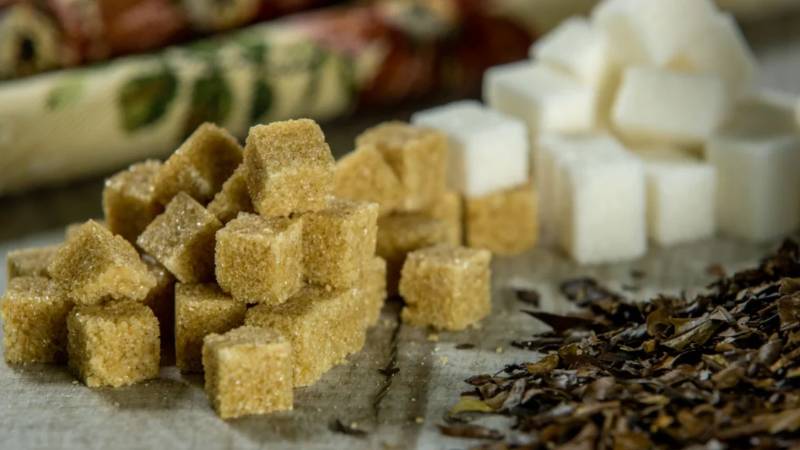
- Light brown sugar: Contains a smaller proportion of molasses and has a milder flavor.
- Dark brown sugar: Contains more molasses, creating a deeper color and stronger flavor.
Plain brown sugar is generally suitable for people with celiac disease when it has not encountered gluten during manufacturing, storage, or use. A gluten free statement is not legally required for an inherently gluten free food, but the label can provide additional reassurance when cross contact is a concern.
2. What Is Brown Sugar Made Of?
To understand is brown sugar gluten free, it helps to look at what it’s made of. Its basic ingredients are naturally gluten-free, but added ingredients and processing methods may affect its suitability for a gluten-free diet.
- Sugar: Most table sugar comes from sugar cane or sugar beets. Both plants are naturally gluten-free.
- Molasses: This thick syrup gives brown sugar its moisture, color, and caramel-like flavor. Molasses is produced during sugar processing and does not inherently contain gluten.
Many manufacturers create brown sugar by adding molasses back to refined white sugar. Adjusting the amount produces either light or dark brown sugar.
Some less refined sugars retain part of their natural molasses rather than having it added after refining. Muscovado is one example, with a moist texture and strong molasses flavor.
Neither production method requires wheat, barley, or rye. The final product only becomes questionable when other ingredients are introduced, or gluten enters through shared equipment and handling.
3. Are All Types of Brown Sugar Gluten Free?
Most plain brown sugars are naturally gluten-free, but specialty products require a more careful label check.
| Type | Usual ingredients | Typically gluten-free? | What to check |
| Light brown sugar | Refined sugar and molasses | Yes | Shared facility or packaging statements |
| Dark brown sugar | Refined sugar and a higher amount of molasses | Yes | Added flavors or blended ingredients |
| Muscovado sugar | Less refined cane sugar with natural molasses | Yes | Processing and packaging information |
| Demerara sugar | Large cane sugar crystals with some molasses | Yes | Whether the product is plain or flavored |
| Turbinado sugar | Partially refined cane sugar | Yes | Ingredient list and cross contact |
| Brown sugar substitute | Sweeteners, flavoring, and coloring | Varies | Every ingredient and gluten-free claim |
| Flavored brown sugar | Brown sugar with spices or flavor blends | Varies | Malt, cookie pieces, or unclear flavorings |
The response to is light brown sugar gluten free is normally yes when the package contains only sugar and molasses. Its lighter color reflects the amount of molasses rather than the presence of flour or another grain.
Likewise, anyone wondering is dark brown sugar gluten free can generally use a plain version safely. Dark brown sugar simply contains more molasses, although flavored or blended products should be evaluated separately.
4. Can Brown Sugar Contain Hidden Gluten?
Although the answer to is brown sugar gluten free is generally yes, not every product is handled the same way. Some situations can introduce gluten into an otherwise naturally gluten-free ingredient.
Potential sources include:
- Processing or packaging equipment: A facility may also handle baking mixes or products containing wheat.
- Additional ingredients: Flavored sugars, baking blends, and sugar substitutes may contain ingredients not found in ordinary brown sugar.
- Shared kitchen utensils: A measuring cup placed in wheat flour and then returned to the sugar container can transfer gluten.
- Bulk bins: Scoops may move between flour, grains, and sugar, increasing cross-contact risk.
- Restaurant preparation: Brown sugar used in sauces, marinades, or desserts may be mixed with gluten-containing ingredients.
People with celiac disease should pay particular attention to open containers and shared baking stations. The Celiac Disease Foundation explains that cross-contact occurs when gluten-free foods or ingredients come into contact with gluten through shared utensils, equipment, storage, or preparation areas.
A sealed package is generally easier to evaluate than sugar from a self-service bin or an unmarked container.
>>> Read more: Is Soy Sauce Gluten Free? Safe Options and Label Tips
5. Can Celiacs Eat Brown Sugar?
Yes, people with celiac disease can generally eat brown sugar because its main ingredients, sugar and molasses, are naturally gluten-free. Both light and dark brown sugar are typically suitable for a gluten-free diet when they have not been exposed to gluten.
The main concern is cross-contact, especially in shared kitchens or bulk food bins. Brown sugar may become contaminated if someone uses the same measuring cup or spoon for wheat flour and sugar.
For safer consumption, choose sealed, clearly labeled products and use clean utensils when baking. If you have celiac disease, consider products labeled gluten-free for additional reassurance, particularly when buying flavored or specialty brown sugar products.
6. How to Choose Gluten-Free Brown Sugar
The following checks provide extra reassurance when is brown sugar gluten free needs to be confirmed for someone with celiac disease:
- Check the current ingredient list: Plain brown sugar should contain sugar and molasses, or a less refined cane sugar that retains its natural molasses.
- Look for a gluten-free claim: This can be helpful when cross-contact is a concern, although naturally gluten-free foods are not required to display the claim.
- Review cross-contact statements: Check whether the package mentions wheat or shared processing equipment.
- Avoid contaminated bulk bins: Shared scoops and nearby flour products can introduce gluten.
- Recheck labels after formulation changes: Packaging, facilities, and ingredients may change over time.
When considering what brands of brown sugar are gluten-free, focus on the exact product rather than assuming every item from one manufacturer has the same status. A sealed, single-ingredient brown sugar with a gluten-free claim is the clearest option for strict dietary needs.
>>> Read more: Is Cornstarch Gluten Free? 7 Important Facts Before You Use It
7. FAQs
Is Starbucks brown sugar syrup gluten free?
Starbucks brown sugar syrup does not currently list an obvious wheat, barley, or rye ingredient. However, Starbucks cannot guarantee that unpackaged drinks are allergen-free because cafés use shared preparation equipment.
What type of sugar is gluten free?
Pure white sugar, brown sugar, powdered sugar without gluten-containing additives, cane sugar, beet sugar, and raw sugar are naturally gluten-free. Flavored blends and products containing additional ingredients still require a label check.
What is surprisingly not gluten-free?
Regular soy sauce, malt flavoring, some licorice, certain soup bases, and ordinary oats can contain gluten or encounter it during processing. Baking ingredients may also become unsafe when shared utensils introduce wheat flour.
8. Conclusion
A careful response to is brown sugar gluten free is yes when the product contains only sugar and molasses. People with celiac disease should still choose sealed packages and protect the sugar from cross-contact during storage and baking.