
Wine may seem easier to assess than a mixed drink, yet the bottle rarely explains every step between the vineyard and the finished glass. This leaves many people asking: Is wine gluten free?
The answer may depend on the type of wine, added flavors, production choices, and how the drink is served. Knowing what to look for can help you evaluate a bottle at home or ask clearer questions at a restaurant or bar.
1. Is Wine Gluten Free?
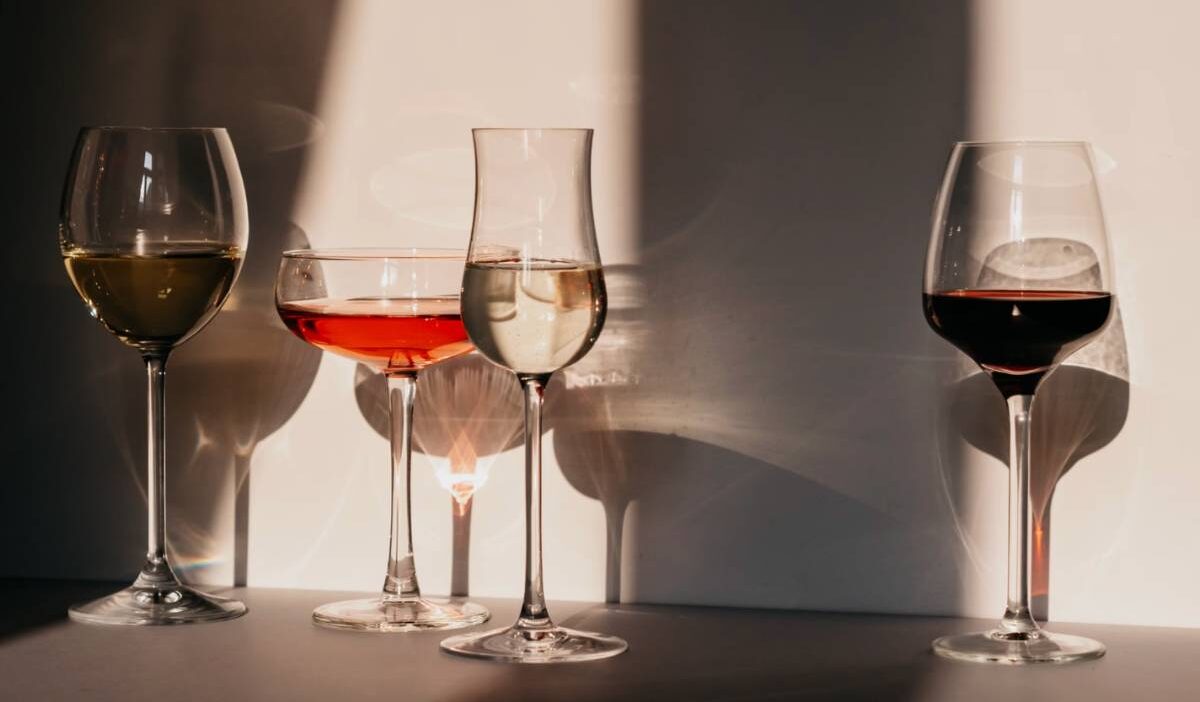
Traditional wine is generally gluten-free because it is made by fermenting grapes, which do not naturally contain gluten. This applies to many standard red, white, rosé, and sparkling wines.
However, the finished drink may contain additional flavorings or ingredients, especially when it is sold as a flavored wine, wine cocktail, or cooler.
Production methods and cross-contact also require attention when gluten avoidance is medically necessary.
2. Which Types of Wine Are Usually Gluten-Free?
The following wines are usually gluten-free when made only from grapes, yeast, and standard winemaking ingredients:
- Red wine: Varieties such as Cabernet Sauvignon, Merlot, Pinot Noir, and Syrah are commonly suitable.
- White wine: Chardonnay, Sauvignon Blanc, Pinot Grigio, and Riesling are generally made without gluten ingredients.
- Rosé wine: Traditional rosé produced from grapes is usually gluten-free.
- Sparkling wine: Champagne, Prosecco, and Cava are commonly suitable when no gluten-containing flavors are added.
- Dessert wine: Port, sherry, and other fortified wines may be suitable, but flavored varieties require checking.
- Organic wine: May be gluten-free, although the organic claim does not confirm its gluten status.
- Nonalcoholic wine: Can be suitable when it is produced from wine and contains no gluten-based flavors or additives.
Wine type alone does not guarantee safety. A plain bottle is generally easier to assess than a flavored, blended, or ready-to-drink product.
3. When Could Wine Contain Gluten?
The greatest concerns usually involve added ingredients or products marketed alongside traditional wine. Possible sources include:
- Malt or barley-based ingredients
- Wheat-derived flavorings
- Dessert or seasonal flavor blends
- Added cookie, cake, or pastry flavors
- Wine coolers made with a malt beverage base
- Premixed wine cocktails containing several ingredients
- Sangria mixes with unverified flavorings
- Added coloring or specialty ingredients with unclear sources
- Cross-contact on shared production or bottling equipment
- Unclear materials used during storage or aging
Some winemakers use fining agents to clarify wine. Most common fining agents do not contain gluten, but wheat-based materials may be used in rare cases.
Much of the fining material is removed before bottling, yet consumers with celiac disease may still prefer a labeled product or confirmation from the producer.
>>> Read more: Is Sourdough Bread Gluten Free? Surprising Facts You Must Know
4. How to Check a Wine Label for Gluten?
Wine labels do not always provide a complete ingredient list, so evaluating a bottle may require more than scanning for the word “wheat.”
Begin by confirming whether the product is traditional wine or another alcoholic beverage marketed with wine-related language. Check the following:
- Look for a clear gluten-free statement.
- Confirm that the product is made from grapes rather than a malt beverage base.
- Check for wheat, barley, rye, malt, and malt flavoring.
- Review any ingredient or allergen statement provided.
- Examine flavored wine, sangria, wine cocktails, and coolers more closely.
- Do not treat organic, natural, vegan, or sulfite-free as equivalent to gluten-free.
- Check the producer’s website for ingredient and allergen information.
- Contact the winery when the label does not explain added flavors or processing methods.
- Recheck seasonal and limited-edition products because their formulas may differ.
- Avoid the product when its alcohol base or added ingredients cannot be confirmed.
Research published in the Journal of Agricultural and Food Chemistry has examined wheat gluten as a clarifying agent in red wine.
Its use is not typical of most wine, but the study shows why people with celiac disease may want producer confirmation when fining methods are a concern.
5. How to Order Gluten-Free Wine at a Restaurant or Bar?
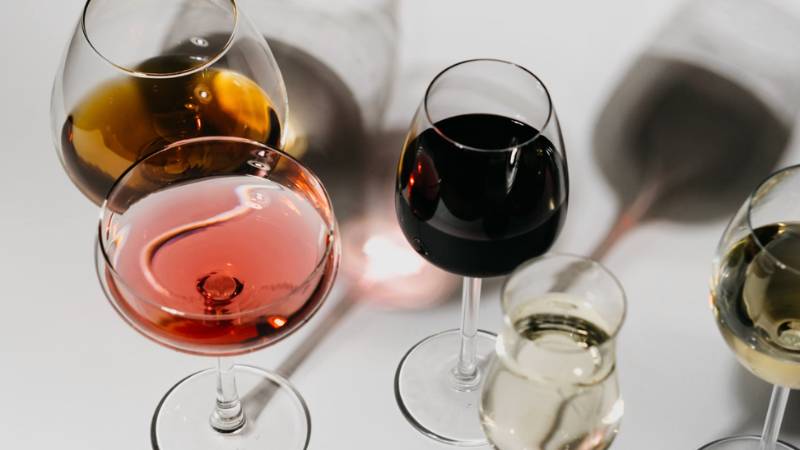
Confirm the bottle and drink category first, since wine coolers, flavored cocktails, and premixed beverages may use different ingredients or alcohol bases. Use these practical tips:
- Request the producer, wine name, vintage, and variety.
- Choose plain bottled red, white, rosé, or sparkling wine when possible.
- Ask to see the bottle or label if the drink is unfamiliar.
- Avoid wine coolers unless the alcohol base and ingredients are confirmed.
- Ask what is added to sangria, mulled wine, and wine cocktails.
- Check syrups, bitters, flavorings, and garnishes separately.
- Avoid drinks containing beer, malt beverages, cookie flavors, or unclear mixers.
- Request a clean wine glass.
- Ask staff not to garnish the drink with cookies or baked products.
- Avoid shared blenders, shakers, or stirring tools when they also handle gluten-containing drinks.
- Choose a sealed bottle or single-serving container when staff cannot verify a mixed drink.
- Explain that the request concerns celiac disease rather than a preference when applicable.
>>> Read more: Is Tubi Free? What You Can Watch and What the Catch Is
6. FAQs
Wine rarely carries an explicit allergen label, leaving many drinkers to figure out is wine gluten free on their own.
Is red wine gluten-free?
Traditional red wine made from grapes is generally gluten-free. Flavored varieties and products with added ingredients still require checking.
Is Champagne gluten-free?
Traditional Champagne is generally gluten-free because it is produced from grapes. Check flavored sparkling wines and premixed sparkling cocktails separately.
Are wine coolers gluten-free?
Not always. Some wine coolers use a wine base, while others are malt beverages made from barley. Read the label or contact the producer to identify the alcohol base.
7. Conclusion
Traditional grape wine is generally one of the simpler alcoholic drinks to assess, while flavored products and premixed beverages require more attention.
The answer to “is wine gluten free” depends on the exact bottle and anything added before serving. Choose plain wine when possible, review available label information, and ask the producer or restaurant about unfamiliar flavors and preparation methods.