

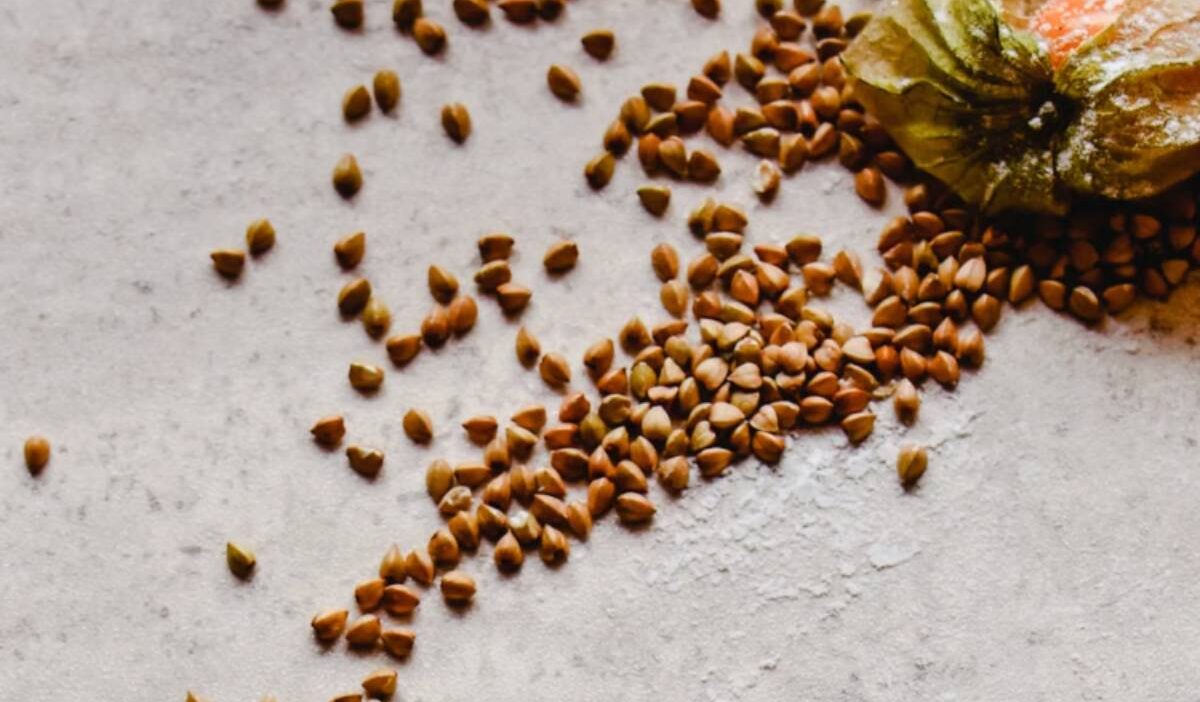
The word “wheat” in buckwheat is enough to make many gluten-free shoppers hesitate. The concern becomes even greater when flour, noodles, pancakes, and packaged foods do not all contain the same ingredients.
If you are wondering is buckwheat gluten free, this guide explains what buckwheat actually is and how processing can affect the finished product. It also covers celiac safety, label checks, common buckwheat foods, and practical ways to include them in a gluten-free diet.
1. Is Buckwheat Gluten Free?
Yes, buckwheat is naturally gluten-free. Despite its name, it is not a variety of wheat and does not contain the gluten proteins found in wheat, barley, or rye.
Plain buckwheat can fit into a gluten-free diet in forms such as whole groats, flour, and kasha. The concern begins after processing. Buckwheat may share equipment with gluten-containing grains or be mixed with wheat flour in noodles, bread, pancakes, and other prepared foods.
Therefore, the word “buckwheat” on the front of a package does not confirm that the entire product is gluten-free. The ingredient list, allergen statement, and gluten-free label provide more useful information.
2. Why Is Buckwheat Gluten Free If It Has “Wheat” in the Name?
The question sounds confusing because “wheat” appears in the name. However, buckwheat and wheat come from different plant families.
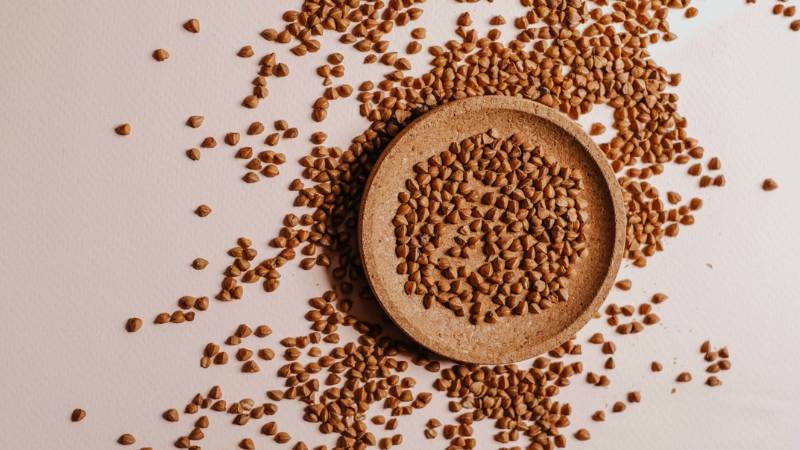
Buckwheat is a seed from a flowering plant related to rhubarb and sorrel. It is commonly treated like a grain in cooking because its seeds can be milled into flour or prepared similarly to rice.
Wheat, by contrast, is a cereal grain from the grass family and naturally contains gluten.
The name “buckwheat” refers to the seed’s historical appearance and use rather than a botanical connection to wheat. Its triangular seeds were thought to resemble beechnuts, while the ground seed could be used in many of the same ways as wheat flour.
3. Is Buckwheat Safe for People With Celiac Disease?
Yes. Pure buckwheat is naturally gluten-free and can be suitable for people with celiac disease when it is properly processed and prepared. Despite its name, buckwheat is not related to wheat and does not naturally contain gluten.
However, cross-contact can occur during harvesting, milling, packaging, or cooking if buckwheat is handled with wheat, barley, or rye. The Celiac Disease Foundation includes buckwheat among gluten-free foods but recommends checking for possible gluten exposure.
People with celiac disease should:
- Choose products labeled or certified gluten-free.
- Avoid unlabeled bulk-bin buckwheat.
- Check whether shared equipment or cooking surfaces are used.
In the United States, foods labeled “gluten free” must contain fewer than 20 parts per million of gluten under FDA requirements. Always check ingredients and preparation methods when buying buckwheat products.
>>> Read more: Is Quinoa Gluten Free? 5 Essential Facts for Safe Eating
4. What Buckwheat Products Are Gluten Free?
When asking is buckwheat gluten free, the answer depends on the product and how it is made. Plain buckwheat is naturally gluten free, but processed foods may contain wheat flour or be exposed to gluten during production.
Buckwheat Products That Are Often Gluten Free
These products can be gluten free when made with 100% buckwheat and handled properly:
- Buckwheat groats: Whole seeds cooked like grains.
- Buckwheat flour: Used for pancakes, baking, and noodles.
- Roasted buckwheat (kasha): Toasted groats used in meals or cereals.
- 100% buckwheat noodles: Made without wheat flour.
Buckwheat Products That Need Checking
Some products combine buckwheat with other ingredients that may contain gluten, including:
- Buckwheat bread and baked goods
- Pancake or waffle mixes
- Granola and cereal blends
- Crackers and snack products
- Restaurant buckwheat pancakes or crepes
Soba noodles are a common example. Some are made entirely from buckwheat, while others contain wheat flour for texture. Always check the ingredient list and look for gluten-free labeling, especially if you have celiac disease.
A product name containing “buckwheat” does not automatically mean it is gluten-free.
5. Buckwheat vs. Wheat: What’s the Difference?
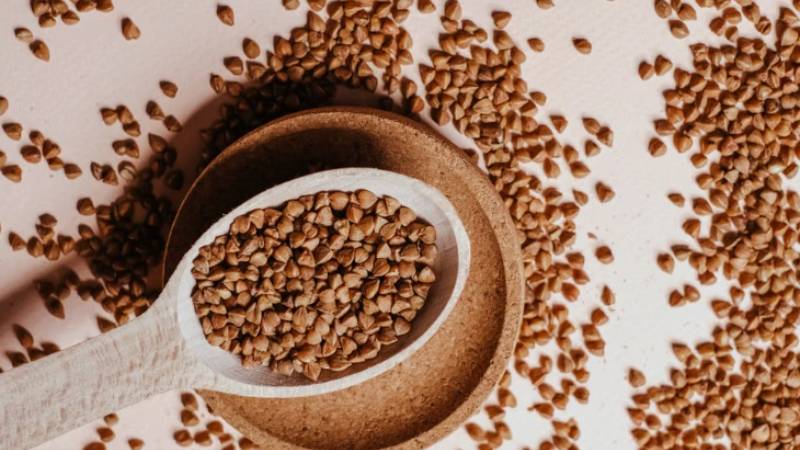
To understand is buckwheat gluten free, it helps to compare buckwheat with wheat. Despite the similar names, they are unrelated plants and differ significantly when it comes to gluten.
| Feature | Buckwheat | Wheat |
| Plant family | Polygonaceae, the same family as rhubarb and sorrel | Poaceae, the grass family |
| Contains gluten naturally? | No | Yes |
| Common forms | Groats, kasha, flour, flakes, porridge, and noodles | Berries, flour, semolina, bran, pasta, bread, and cereal |
| Typical uses | Porridge, pancakes, noodles, side dishes, and gluten-free baking | Bread, pasta, pastries, cereal, noodles, and baked goods |
| Suitability for a gluten-free diet | Suitable when pure and protected from cross-contact | Not suitable for people who must avoid gluten |
Buckwheat flour does not behave exactly like wheat flour in baking. Since it lacks gluten, it cannot create the same stretchy structure on its own. Recipes may need eggs, psyllium husk, xanthan gum, starch, or another gluten-free binder.
6. How to Use Buckwheat on a Gluten-Free Diet
After confirming is buckwheat gluten free for the particular product, you can use it in both savory and sweet meals. Start with plain, labeled gluten-free products when cross-contact is a concern.
Practical options include:
- Cook groats as a side dish: Use them in place of rice, quinoa, or couscous.
- Prepare breakfast porridge: Simmer groats or flakes with milk or water, then add fruit, nuts, or seeds.
- Toast groats before cooking: Roasting creates kasha and gives the seeds a deeper, nuttier flavor.
- Use flour for pancakes or crepes: Follow a gluten-free recipe rather than replacing wheat flour without adjusting the other ingredients.
- Blend it with other gluten-free flours: Rice flour, tapioca starch, and potato starch can soften the dense texture of buckwheat.
- Choose 100% buckwheat noodles: Check the ingredient list because many soba noodles also contain wheat flour.
- Add groats to salads and soups: Cook them first and allow them to cool when needed.
- Use puffed buckwheat in snacks: Add it to homemade cereal or granola made with verified gluten-free ingredients.
Keep buckwheat flour and groats in sealed containers away from regular flour. In a shared kitchen, use clean utensils and preparation surfaces to reduce cross-contact.
>>> Read More: Is Sourdough Bread Gluten Free? Surprising Facts You Must Know
7. FAQs
Is buckwheat an inflammatory grain?
Buckwheat is a seed rather than a true grain, and it is not generally classified as an inflammatory food. It contains fiber and plant compounds, but individual reactions can differ. Someone who feels unwell after eating it should consider the full recipe and discuss persistent symptoms with a healthcare professional.
Who should not eat buckwheat?
People with a confirmed buckwheat allergy should avoid it. Those with celiac disease should avoid products containing wheat or affected by cross-contact. Anyone following a medically prescribed diet should ask their clinician whether buckwheat fits their specific needs.
Why does my stomach hurt after eating buckwheat?
Possible reasons include a sudden increase in fiber, a large serving, a buckwheat allergy, gluten cross-contact, or another ingredient in the dish. Seek urgent care for breathing difficulty, facial swelling, faintness, or a rapidly worsening reaction.
8. Conclusion
So, is buckwheat gluten free? Pure buckwheat is, but noodles, flour blends, baked goods, and other processed products require a closer label check. Choose a clearly labeled product and guard against cross-contact when gluten avoidance is medically necessary.