
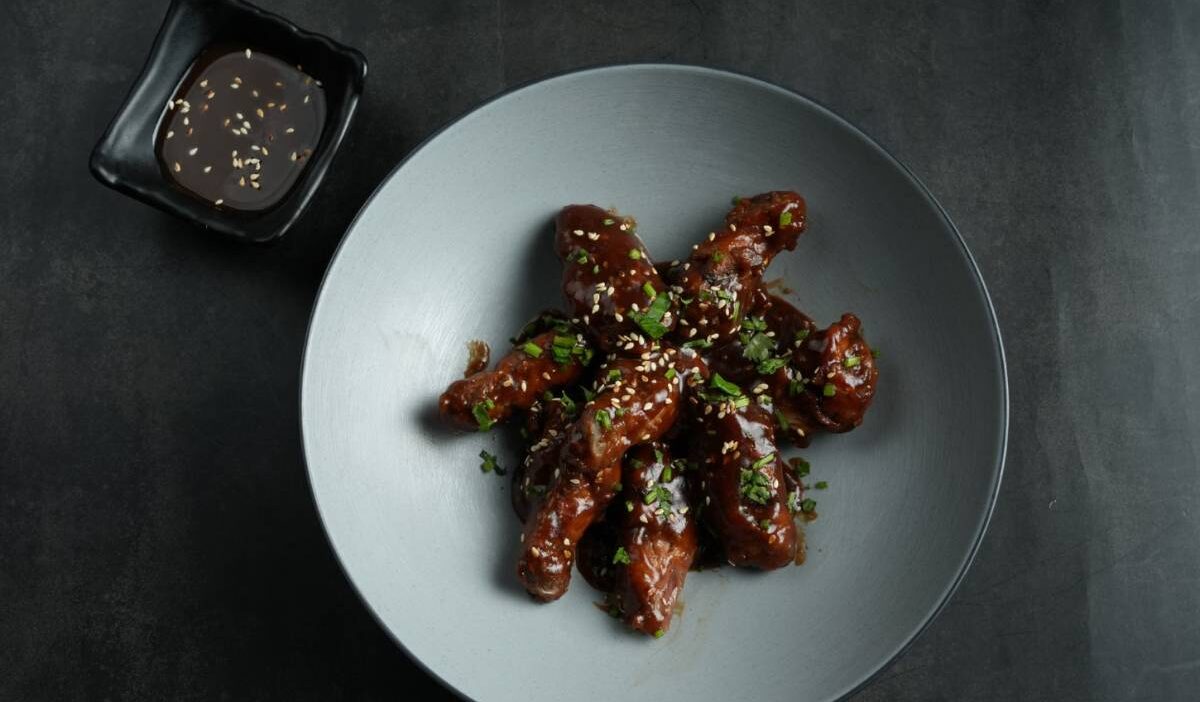
Teriyaki sauce can look harmless beside a plate of rice, vegetables, or grilled chicken. The hidden issue is usually its soy sauce base, which often contains fermented wheat.
One bottle may be certified gluten free while another from the same brand is not. Checking is teriyaki sauce gluten free therefore requires more than recognizing the brand or looking for obvious flour in the ingredient list.
1. Is Teriyaki Sauce Gluten Free?
Traditional bottled teriyaki sauce is often not gluten free. Gluten routinely sneaks into standard sauce recipes because conventional soy sauce relies on wheat alongside typical flavor enhancers and thickening agents. The sauce may be suitable when it uses:
- Gluten free tamari
- Soy sauce made without wheat
- Coconut aminos
- Certified gluten free seasonings
- Cornstarch, tapioca starch, or arrowroot as a thickener
Bottle-by-bottle label checks provide the only reliable answer to is teriyaki sauce gluten-free, since sauce color and consistency offer no clues about hidden wheat.
The FDA explains that soy sauce ordinarily made with soybeans and wheat generally cannot carry a gluten free claim.
Soy sauce produced without gluten grains may qualify, provided the finished food meets federal requirements.
2. Which Teriyaki Sauce Ingredients Can Contain Gluten?
The soy sauce deserves attention first, but it is not the only possible source. Flavoring ingredients, starches, and manufacturing conditions can also affect the finished product.
Wheat-Based Soy Sauce
Conventional soy sauce is commonly brewed from soybeans, wheat, salt, and water.
Fermentation changes the ingredients but does not automatically make the sauce safe for celiac disease. Watch for terms such as:
- Soy sauce with wheat listed in parentheses
- Shoyu
- Hydrolyzed wheat protein
- “Contains: Wheat”
- Fermented wheat and soybeans
Malt and Other Flavoring Ingredients
Teriyaki products may include malt extract, malt syrup, natural flavoring, caramel color, or seasoning blends. Barley malt is a direct gluten source and should be avoided.
Natural flavoring does not automatically contain gluten, but its source may not be obvious. Contact the manufacturer when the product lacks a gluten free claim and the flavoring details remain unclear.
Thickeners and Modified Starches
Cornstarch, tapioca starch, potato starch, and arrowroot are naturally gluten free.
Modified food starch may also be safe, but the source and labeling rules should be reviewed. A thickener becomes a concern when it contains:
- Wheat flour
- Wheat starch not approved for a gluten free product
- A seasoning mixture with wheat
- Cross contacted starch
Cross-Contact During Production
A gluten free recipe can pick up gluten from shared tanks, filling lines, utensils, or storage areas. This matters most for people with celiac disease.
A regulated gluten free claim covers the completed product rather than one ingredient alone. When no such claim appears, look for manufacturing statements or ask the company about its allergen controls.
3. Are Kinder’s, Kikkoman, and La Choy Teriyaki Sauces Gluten-Free?
Brand names never give a single answer to whether is teriyaki sauce gluten free, as recipes and allergen profiles vary across product lines.
| Product | Current Assessment | What to Check |
|---|---|---|
| Kinder’s Teriyaki Marinade | No clear gluten free claim on the current product page | Exact bottle and wheat statement |
| Kinder’s Sweet Sesame Teriyaki Dipping Sauce | Labeled gluten free | Current packaging |
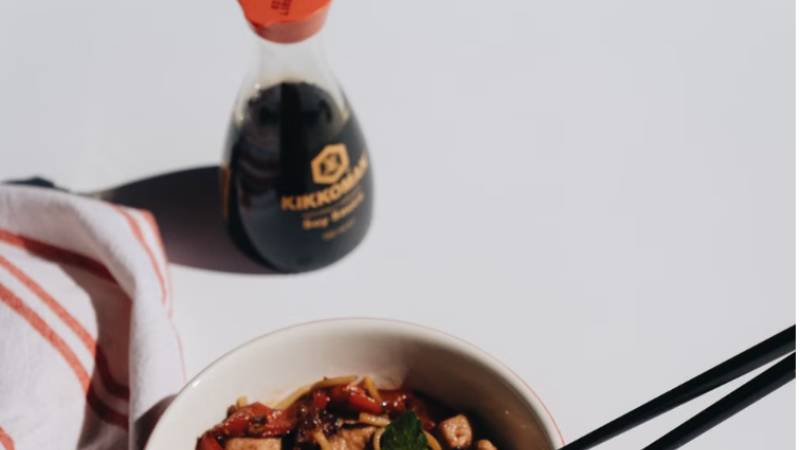
| Kikkoman Original Teriyaki Marinade & Sauce | Not gluten free | Contains wheat |
| Kikkoman Gluten Free & Less Sodium Teriyaki | Certified gluten free | Exact product name |
| La Choy Teriyaki Stir Fry Sauce & Marinade | Currently sold with a gluten free label | Recheck each package |
Kinder’s Teriyaki Products
Giving a simple yes-or-no answer to is Kinder’s Teriyaki sauce gluten free risks confusion because the brand manufactures multiple Teriyaki recipes with distinct ingredients.
The current product pages show an important difference:
- Sweet Sesame Teriyaki Dipping Sauce: Displays a gluten free claim.
- Teriyaki Marinade with Garlic and Ginger: Does not display the same gluten free designation on its current page.
Kikkoman Teriyaki Sauces
Determining whether is Kikkoman Teriyaki sauce gluten free comes down to the specific bottle chosen, as the lineup includes both standard and gluten-free versions.
- Original Teriyaki Marinade & Sauce: Lists soy sauce made with wheat and carries a “Contains: Soy, Wheat” statement.
- Gluten Free & Less Sodium Teriyaki Marinade & Stir Fry Sauce: Uses gluten free soy sauce and is certified gluten free.
La Choy Teriyaki Sauce
For shoppers asking is La Choy Teriyaki sauce gluten free, La Choy Teriyaki Stir Fry Sauce & Marinade is currently sold with a gluten free statement on its packaging.
Still, inspect the bottle each time. The brand’s current product listing identifies the exact sauce, but recipes and labels can change.
>>> Read more: Is Soy Sauce Gluten Free? Safe Options and Label Tips
4. How to Choose a Gluten-Free Teriyaki Sauce Safely?
Simple store-aisle evaluation steps resolve whether is Teriyaki sauce gluten-free in just a few seconds. Key labeling indicators help shoppers distinguish genuinely safe sauces from hidden gluten risks.
- Look for a clear gluten free claim: This is more useful than judging individual ingredients alone.
- Check the soy sauce used: Avoid conventional soy sauce listing wheat; choose verified gluten free tamari or soy sauce.
- Do not rely on a wheat free appearance: Wheat can appear inside fermented soy sauce or seasoning.
- Confirm the exact flavor and product line: Regular, low sodium, garlic, sesame, and barbecue versions may use different formulas.
- Review the label after packaging changes: A redesigned bottle may accompany a recipe update.
- Consider certification for celiac disease: Third party certification may provide additional manufacturing controls.
- Read the allergen statement: “Contains: Wheat” is a direct warning.
- Check restaurant preparation: Ask about the sauce, grill, brushes, utensils, and fryer.
5. How to Make Gluten-Free Teriyaki Sauce at Home?
Scratch preparation clearly answers if is Teriyaki sauce gluten free through complete control over every seasoning. A basic version can combine gluten free tamari, sugar or honey, water, ginger, garlic, and a safe thickener
Choose Gluten-Free Tamari or Soy Sauce
Use a product clearly labeled gluten free. Coconut aminos can also work, although its sweeter and less salty flavor may require recipe adjustments.
Do not use conventional soy sauce and assume that cooking will remove the gluten. Heat does not make wheat based soy sauce safe.
Check Every Seasoning and Thickener
Cornstarch is a common option for thickening Teriyaki sauce. Tapioca starch or arrowroot can provide a similar glaze. Review packaged ingredients such as:
- Mirin or cooking wine
- Garlic and ginger paste
- Broth
- Spice blends
- Sesame oil
- Sweeteners
Prevent Cross-Contact in the Kitchen
Prepare the sauce with clean measuring cups, bowls, spoons, and pans. Keep gluten free tamari separate from regular soy sauce and avoid dipping a used utensil into both bottles.
Label homemade sauce before refrigerating it. This prevents someone from confusing it with a conventional Teriyaki sauce later.
>>> Read more: Is Cornstarch Gluten Free? 7 Important Facts Before You Use It
6. FAQs
Shoppers and home cooks asking is teriyaki sauce gluten free will find clear, evidence-based guidance on wheat risks, brand verification, and safe ingredients in the answers below:
Is Teriyaki chicken gluten free?
Teriyaki chicken is only gluten free when both the sauce and preparation method are safe. Restaurant versions commonly use wheat based soy sauce and shared grills.
Is tamari always gluten free?
No. Many tamari products omit wheat, but formulas vary and cross contact remains possible. Choose one with a gluten free claim.
Does cooking remove gluten from Teriyaki sauce?
No. Normal cooking temperatures do not make wheat based soy sauce safe for celiac disease.
7. Conclusion
Many Teriyaki sauces contain wheat because regular soy sauce is a common base ingredient. To determine is Teriyaki sauce gluten free, check the exact product label instead of relying on the brand name alone.
Choose a clearly labeled gluten free option or prepare the sauce at home with certified tamari, verified seasonings, and clean kitchen tools.