

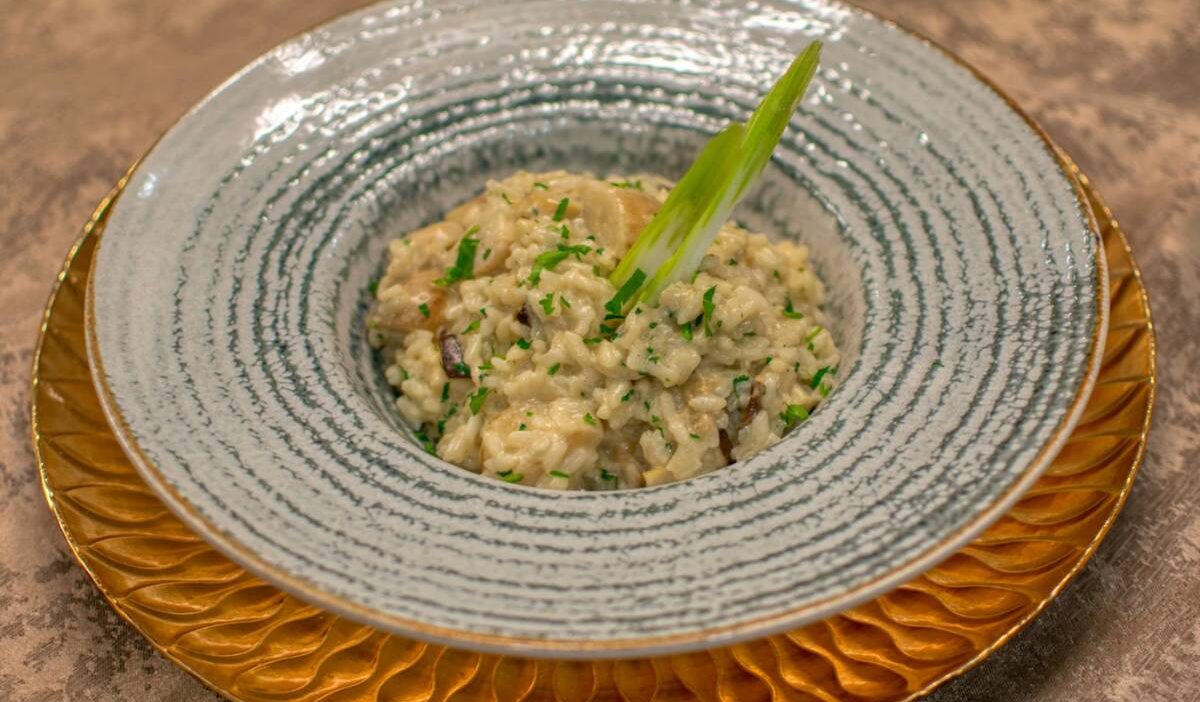
Risotto is known for its rich, creamy texture, which can make it seem as though flour or another thickener must be involved. Answering “Is risotto gluten free?” requires looking beyond the rice and checking the stock, seasonings, add-ins, and preparation method.
This guide explains which ingredients are usually safe, where hidden risks appear, and how to choose or prepare risotto with greater confidence.
1. Is Risotto Gluten Free?
Traditional risotto can be gluten-free because its base is rice, which does not naturally contain gluten.
The creamy texture develops as starch is released from the rice during cooking, so wheat flour is not required.
However, the finished dish is only gluten-free when the stock, seasonings, cheese, wine, and added ingredients are also suitable.
2. Which Risotto Ingredients Are Gluten-Free?
A basic risotto recipe often contains ingredients that are naturally free from gluten:
- Risotto rice: Arborio, Carnaroli, and Vialone Nano rice are naturally gluten-free.
- Butter and olive oil: Plain versions generally contain no gluten.
- Onion and garlic: Fresh vegetables are naturally gluten-free.
- Wine: Plain wine used for cooking does not normally contain gluten.
- Plain Parmesan: Traditional unflavored Parmesan is generally gluten-free.
- Fresh herbs: Parsley, basil, thyme, and similar herbs are suitable in their plain form.
- Fresh meat, seafood, and vegetables: Unseasoned varieties are naturally gluten-free.
Naturally gluten-free grains can still encounter gluten during processing or storage. The Celiac Disease Foundation advises choosing tested products when grain cross-contact is a concern.
3. When Can Risotto Contain Gluten?
Gluten usually enters risotto through supporting ingredients or kitchen practices rather than the rice itself.
Stock, Bouillon, and Packaged Seasonings
Stock provides much of risotto’s flavor, but commercial products may include wheat, malt, yeast extracts, flavor blends, or thickeners. Bouillon cubes and powdered soup bases can present the same issue.
Homemade stock is not automatically safe if it contains ordinary soy sauce, seasoning packets, or another source of gluten.
Meat, Seafood, and Vegetable Add-Ins
Fresh, unseasoned meat, seafood, mushrooms, peas, and other vegetables are naturally gluten-free. The risk changes when these additions are marinated, breaded, processed, or cooked in a shared fryer.
Sausage, cured meat, imitation seafood, and preseasoned protein may contain fillers or sauces that require checking. Even a gluten-free ingredient can pick up residue from a cutting board or pan used for breaded food.
Sauces, Garnishes, and Cheese Blends
Regular soy sauce, malt-based sauces, gravy, and flour-thickened cream sauces can introduce gluten. Crispy onions, breadcrumbs, croutons, and fried garnishes are other common concerns.
Plain cheese is generally suitable, but processed cheese blends may include anti-caking agents, flavorings, or additional ingredients. Review the label instead of relying only on the word “cheese.”
Cross-Contact During Restaurant Preparation
Restaurants may cook risotto near pasta, bread, and flour-coated food. A shared ladle, pan, work surface, or stock container can transfer gluten into the dish.
Some kitchens partially prepare risotto in advance and finish each order in cookware used for several menu items.
Customers with celiac disease should ask whether the restaurant can use clean utensils, a separate pan, and verified gluten-free stock.
>>> Read more: How Long Does Cooked Bacon Last in the Fridge? 4 Warning Signs
4. How to Check Whether Restaurant Risotto Is Gluten-Free?
A menu description rarely lists every ingredient used in the pan. Before ordering, ask the server or kitchen staff to confirm the complete recipe and preparation process. Use this checklist:
- Ask whether the risotto rice itself is plain and unseasoned.
- Confirm that the stock or bouillon is labeled gluten-free.
- Check whether flour is added to thicken the dish.
- Ask about soy sauce, gravy, seasoning blends, and marinades.
- Confirm that meat or seafood additions are not breaded.
- Check whether fried garnishes use a shared fryer.
- Ask whether the cheese blend contains added ingredients.
- Request a clean pan, ladle, and preparation surface.
- Find out whether pasta water is added during cooking.
- Tell the staff that the request is for celiac safety rather than a preference, when applicable.
>>> Read more: Is Buckwheat Gluten Free? The Answer May Surprise You
5. How to Make Gluten-Free Risotto at Home?
Preparing risotto at home gives you direct control over every ingredient and utensil. Start with plain rice, then build the flavor with products that have been checked individually.
Choose a Clearly Labeled Gluten-Free Stock
Stock is one of the first ingredients to examine when answering “Is risotto gluten free?” for a homemade recipe. Choose a package with a clear gluten-free claim rather than assuming that every broth or bouillon is suitable.
Warm the stock in a clean saucepan before adding it gradually to the rice. If using homemade stock, check every seasoning and sauce included in it.
Check Every Packaged Ingredient
Read the labels on cheese blends, sausage, cured meat, cooking sauces, spice mixes, and prepared vegetable products. Wheat or malt may appear in items that seem unrelated to baking.
Review labels each time you shop because manufacturers can revise formulas. Keep the packaging available until the meal is finished in case an ingredient needs to be checked again.
Keep Utensils and Cooking Surfaces Free From Cross-Contact
Wash the pan, spoon, ladle, cutting board, and work surface before cooking. Avoid wooden utensils with deep scratches if they have previously been used with wheat-based food.
Use a separate colander, stock container, and serving spoon when sharing a kitchen with gluten-containing ingredients. Store opened products away from flour and breadcrumbs.
Add Flavor Without Gluten-Containing Sauces
Build flavor with garlic, onions, wine, mushrooms, herbs, lemon, plain cheese, and gluten-free stock.
A small amount of labeled gluten-free tamari can add savoriness when a recipe calls for soy sauce.
Avoid ordinary soy sauce, malt vinegar, flour-thickened gravy, and unidentified seasoning packets.
6. FAQs
Is Arborio rice gluten-free?
Yes. Arborio is naturally gluten-free rice. For anyone asking “Is risotto gluten free?”, the greater concern is usually the stock, seasonings, add-ins, and kitchen preparation rather than the Arborio itself.
Is restaurant risotto safe for celiac disease?
It can be, but the restaurant must use gluten-free ingredients and prevent cross-contact. Ask about the stock, sauces, shared pans, utensils, and preparation surfaces before ordering.
Does risotto contain flour?
Traditional risotto does not need flour. Its creamy consistency comes from starch released by the rice, although some recipes or restaurants may add flour or a prepared sauce.
Is Parmesan cheese in risotto gluten-free?
Plain Parmesan is generally gluten-free. Processed cheese blends, grated products, or flavored varieties should still be checked for added ingredients and cross-contact information.
Is mushroom risotto gluten-free?
Mushrooms and rice are naturally gluten-free, but mushroom risotto may contain gluten through stock, seasoning, sauces, or shared cookware. Review the entire recipe rather than judging it by the main ingredients.
7. Conclusion
Risotto does not need wheat flour to become rich and creamy. Its texture comes from the rice, but the stock, seasonings, toppings, and cooking environment determine whether the completed dish is suitable.
Is risotto gluten free? It can be when every ingredient has been checked and cross-contact is controlled. At home, use labeled stock and clean utensils. At a restaurant, ask direct questions about the recipe before ordering.