
Baking a gluten-free dessert and wondering is powdered sugar gluten free? Most powdered sugar is gluten-free, but some products contain added starches that require checking.
Since ingredients and manufacturing practices vary, it’s worth knowing what to look for before buying. Here’s how to identify gluten-free powdered sugar and avoid potential gluten sources in your baking.
1. Is Powdered Sugar Gluten Free?
Yes, most powdered sugar is gluten-free. Also called confectioners’ sugar or icing sugar, it typically contains finely ground sugar and cornstarch, both naturally free from gluten.
However, not every product has the same ingredients. Some formulations may use wheat-derived starch or other additives, while manufacturing cross-contact can also introduce gluten.
In the United States, powdered sugar made with sugar and cornstarch is generally suitable for a gluten-free diet. People with celiac disease should check the ingredient list and look for gluten-free labeling when additional assurance is needed.
Under FDA rules, foods labeled gluten-free must meet specific requirements, including containing less than 20 parts per million of gluten.
2. What Ingredients in Powdered Sugar May Contain Gluten?
Plain sugar does not contain gluten. The main concerns involve ingredients added during processing and possible contact with gluten-containing products.
Anti-Caking Agents and Added Starches
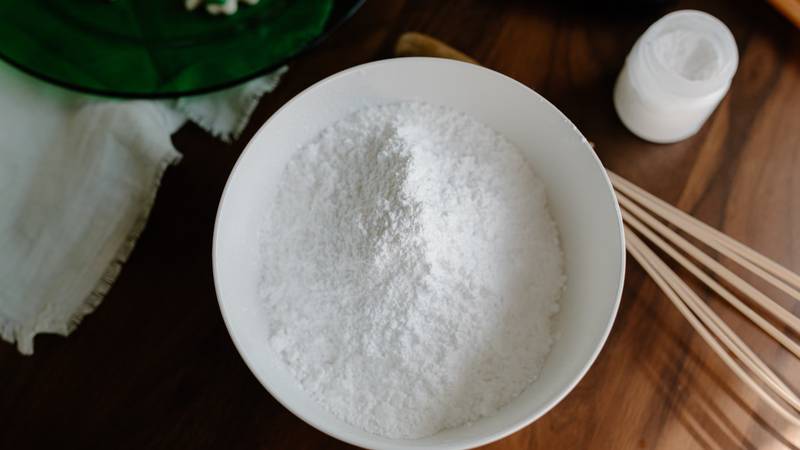
Powdered sugar typically contains a small amount of starch to absorb moisture and prevent clumps.
Common starches include:
- Cornstarch: Naturally gluten-free and commonly used in conventional powdered sugar.
- Potato starch: Naturally gluten-free and sometimes used as an alternative.
- Tapioca starch: A gluten-free option found in certain specialty and organic products.
- Wheat starch: Less common in powdered sugar and requires additional verification.
Wheat starch deserves particular attention because it originates from a gluten-containing grain.
However, specially processed wheat starch can qualify for gluten-free labeling when it meets FDA requirements. This does not mean ordinary wheat starch should automatically be treated as safe.
Cross-Contact During Manufacturing
Even when every ingredient is naturally gluten-free, contact with gluten can occur during manufacturing.
Potential sources include:
- Shared equipment: Processing machinery also used for wheat-containing products.
- Production lines: Facilities handling gluten-containing ingredients.
- Packaging processes: Shared handling areas without adequate controls.
Cross-contact does not automatically mean a product contains unsafe gluten levels. However, people who need strict gluten avoidance should prioritize products with clear gluten-free labeling and reliable manufacturing information.
>>> Read more: Is Popcorn Gluten Free? 5 Types and Hidden Gluten Risks
3. How to Tell if Powdered Sugar Is Safe for a Gluten-Free Diet
When checking is powdered sugar gluten free for a particular recipe, the most reliable approach is to evaluate the specific product rather than assume every brand is identical.
Follow these steps before purchasing.
- Step 1: Check for a Gluten-Free Label
Look for a gluten-free claim or an independent gluten-free certification mark on the packaging.
- Step 2: Read the Ingredient List
Most products contain powdered sugar and an anti-caking ingredient such as cornstarch or tapioca starch. Check for additional ingredients that may require verification.
- Step 3: Check for Wheat-Derived Ingredients
If wheat starch or another wheat-derived ingredient appears, verify whether the manufacturer specifically identifies the product as gluten-free.
- Step 4: Contact the Manufacturer if Needed
When ingredients or manufacturing practices are unclear, ask the manufacturer about gluten controls, testing, and current product specifications.
Under the FDA’s gluten-free labeling requirements, using the term “gluten-free” is voluntary, but products carrying the claim must meet federal standards, including containing less than 20 parts per million (ppm) of gluten. A product without this label is not automatically unsafe. It simply requires more careful evaluation.
4. What Powdered Sugar Brands Are Gluten Free?
If you’re wondering is powdered sugar gluten free, checking the brand can help you make a more informed choice. Here are some popular powdered sugar brands and what their ingredients and gluten-free claims reveal.
- Domino Powdered Sugar: Made with sugar and cornstarch. Domino states that its sugar products do not contain gluten.
- C&H Powdered Sugar: The brand states that its sugar products do not contain gluten. Check the exact package for current labeling.
- Wholesome Organic Powdered Sugar: Uses organic tapioca starch and is identified by the manufacturer as gluten-free.
- 365 by Whole Foods Market: Offers organic powdered sugar, but gluten-free claims and ingredients should be verified for the specific product.
Important: Products made without gluten-containing ingredients are not necessarily certified gluten-free. People with celiac disease should review current packaging and manufacturer information before purchasing.
5. How to Make Gluten-Free Powdered Sugar at Home
Making powdered sugar yourself is useful when you cannot find a suitable packaged product or want more control over the ingredients.
- Step 1: Choose Gluten-Free Granulated Sugar
Start with plain granulated sugar. Use a product that meets your dietary requirements.
- Step 2: Add Gluten-Free Cornstarch if Needed
For approximately one cup of granulated sugar, add about one tablespoon of gluten-free cornstarch to help prevent clumping.
- Step 3: Blend Until the Sugar Becomes a Fine Powder
Place the ingredients in a clean, high-speed blender or suitable grinder. Blend in short intervals until the mixture becomes fine and powdery.
- Step 4: Sift the Mixture to Remove Larger Crystals
Pass the sugar through a fine-mesh sieve to remove any remaining granules.
- Step 5: Store in a Clean, Airtight Container
Transfer the powdered sugar to a dry, airtight container and keep it away from moisture.
If you have celiac disease and are wondering is powdered sugar gluten free when made at home, the key is using gluten-free ingredients and thoroughly cleaned equipment. Make sure your blender, sieve, and utensils are free from gluten cross-contact.
Homemade powdered sugar may have a slightly different texture from commercially produced confectioners’ sugar, particularly in delicate frostings.
>>> Read more: Is Couscous Gluten Free? 6 Best Alternatives to Try
6. FAQs
Can Celiacs Have Powdered Sugar?
Yes, people with celiac disease can consume powdered sugar that meets gluten-free requirements. Choose a clearly labeled gluten-free product when strict gluten avoidance is necessary.
Can You Use Powdered Sugar in Gluten-Free Baking?
Yes, gluten-free powdered sugar works well in frostings, glazes, cookies, and other gluten-free desserts. Make sure the remaining ingredients are also suitable for your dietary needs.
Is Domino Powdered Sugar Celiac Safe?
Domino states that its powdered sugar does not contain gluten, but that statement alone should not be confused with independent gluten-free certification. People with celiac disease should review the current packaging and contact the manufacturer if additional assurance is needed.
What Is Surprisingly Not Gluten-Free?
Foods such as sauces, gravies, seasonings, and certain processed snacks may contain wheat-based thickeners or other gluten ingredients. Always check labels, even when a product does not appear to contain flour.
7. Conclusion
So, is powdered sugar gluten free? Most varieties are, especially those made with sugar and cornstarch. However, added ingredients and manufacturing cross-contact can affect individual products.
Always check labels and choose clearly labeled gluten-free options when necessary. With the right ingredients, you can confidently enjoy powdered sugar in your favorite gluten-free desserts.