

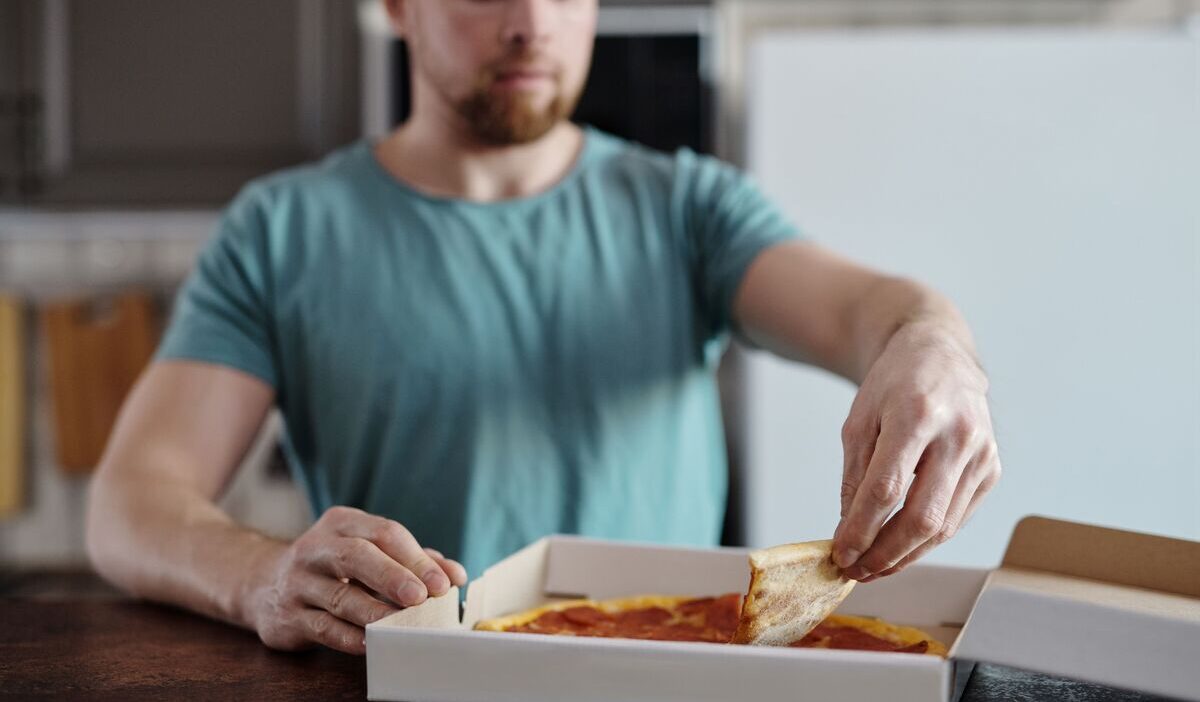
Leftover pizza is easy to save for another meal, but proper storage is important for safety and quality.
If you are wondering how long does pizza last in the fridge, this guide explains the recommended storage time, how to store leftover pizza correctly, signs of spoilage, and the safest ways to reheat it.
1. How Long Does Pizza Last in the Fridge?
Cooked pizza generally lasts 3–4 days in the refrigerator when stored promptly at 40°F (4°C) or below. This applies to most homemade, takeout, cheese, meat, and vegetable pizzas that have been handled properly.
| Pizza or Storage Situation | Recommended Time |
| Homemade pizza | 3–4 days refrigerated |
| Takeout or delivery pizza | 3–4 days refrigerated |
| Cheese pizza | 3–4 days refrigerated |
| Meat-topped pizza | 3–4 days refrigerated |
| Pizza at room temperature | Up to 2 hours |
| Pizza above 90°F (32°C) | Up to 1 hour |
USDA Recommendation for Refrigerated Pizza
USDA food-safety guidance recommends using most cooked leftovers within 3–4 days and refrigerating perishable foods promptly. This storage window assumes the pizza was not left at room temperature for too long before refrigeration.
When reheating leftovers, USDA guidance recommends heating them to an internal temperature of 165°F (74°C).
Homemade vs. Takeout Pizza Shelf Life
Homemade and takeout pizza generally have the same 3–4 day refrigerated shelf life. Where the pizza was prepared matters less than how quickly it was chilled and how consistently it stayed refrigerated.
Pizza that sat out beyond the recommended room-temperature limit should be discarded rather than refrigerated for later.
2. How Long Can Pizza Sit Out?
When wondering how long does pizza last in the fridge, consider how long the slices stayed unrefrigerated.
Pizza should not sit at room temperature for more than 2 hours. If the temperature is above 90°F (32°C), refrigerate it within 1 hour. These limits apply to homemade, takeout, and delivery pizza because toppings such as cheese, meat, sauce, and vegetables can support bacterial growth.
Once pizza exceeds these time limits, it is safest to discard it rather than refrigerate it for later. Cooling the pizza afterward does not reverse bacterial growth that may have occurred while it was left out.
For best results, refrigerate leftover slices promptly in a covered container or tightly wrapped package and keep the refrigerator at 40°F (4°C) or below.
>>> Read More: How Long Does Chicken Broth Last in the Fridge? A Complete Storage Guide
3. How to Store Pizza Properly in the Refrigerator?
Knowing how long does pizza last in the fridge only helps when the leftovers are stored correctly. Good storage reduces exposure to air, cross-contamination, and unnecessary moisture while keeping the pizza at a consistently cold temperature.
- Cool Pizza Before Refrigerating
You do not need to leave pizza on the counter until it becomes completely cold. Allow excessive steam to dissipate briefly if necessary, then refrigerate the slices promptly and always within the recommended two-hour window.
- Use Airtight Containers or Wrap Individual Slices
Transfer slices to a sealed container or wrap them individually with food-safe wrap or foil. This limits air exposure, prevents the crust from drying out, and protects the pizza from odors or contamination from other foods.
- Keep Pizza on the Right Refrigerator Shelf
Place leftover pizza on a stable middle or upper shelf rather than beside raw meat or poultry. Avoid storing it in warmer areas such as the refrigerator door. The FDA recommends maintaining refrigerators at 40°F (4°C) or below for safe cold storage.
- Label Leftovers with the Storage Date
Write the refrigeration date on the container or wrapping. A simple label eliminates guesswork and makes it easier to use or freeze the pizza before the 3–4 day storage window ends.

4. How to Tell If Pizza Has Gone Bad?
Time is the safest starting point, but visible spoilage can provide additional warning signs. Check refrigerated pizza before reheating it, especially when you are unsure when it was stored.
Common signs include:
- Sour or unpleasant smell: A noticeably unusual odor can indicate spoilage.
- Mold or discoloration: Visible fuzzy growth or unexpected color changes mean the pizza should be discarded.
- Slimy or sticky texture: Cheese, meat, or toppings that develop an abnormal slippery surface are a bad sign.
- When in doubt, throw it out: Do not taste questionable pizza simply to decide whether it is safe.
Remember that harmful bacteria are not always visible or detectable by smell, so spoilage checks should never replace safe storage times.
5. Does the Type of Toppings Affect How Long Pizza Lasts?
Most pizzas, regardless of toppings, should be refrigerated for no more than 3–4 days. Cheese, pepperoni, sausage, chicken, and vegetable pizzas generally follow the same leftover-storage guideline when kept at 40°F (4°C) or below.
Toppings can, however, affect quality. Moist ingredients such as tomatoes, mushrooms, leafy vegetables, and fresh cheeses may become soggy or deteriorate in texture sooner than drier toppings.
Meat-free pizza should not automatically be considered safe for longer. Storage time, refrigerator temperature, and how long the pizza sat out before chilling are more important than the topping type.
If a pizza contains especially perishable ingredients, follow the shortest recommended storage period for those ingredients and discard it if you are unsure how it was handled.
6. How to Reheat Refrigerated Pizza Safely?
Once you know how long does pizza last in the fridge, reheating it properly is the final step before serving. USDA and FDA food-safety guidance recommends heating leftovers to 165°F.
- Reheat Pizza in the Oven
Place slices on a baking sheet and heat them in a preheated oven until the cheese and toppings are thoroughly hot. This method works especially well when reheating several pieces at once.
- Use an Air Fryer for Crispy Crust
An air fryer can quickly restore a crisp base without leaving the center cold. Arrange slices in a single layer so heated air can circulate evenly.
- Reheat on the Stovetop
A covered skillet over medium-low heat can warm the toppings while helping the crust regain some crispness. Heat the slice thoroughly rather than stopping as soon as the cheese begins to melt.
7. Can You Freeze Pizza for Longer Storage?
Yes. Freezing is a good option if you will not eat leftover pizza within 3–4 days. Wrap slices tightly in foil or plastic wrap, then place them in a freezer-safe bag or airtight container to help prevent freezer burn.
For the best quality, frozen pizza is generally best eaten within 1–2 months, although it may remain safe longer when continuously frozen. The crust and moisture-rich toppings can gradually lose texture over time.
Freeze leftovers while they are still fresh and within the safe refrigerator storage window. Do not use freezing as a way to extend the life of pizza that has already been stored too long or left at room temperature beyond safe limits.
8. FAQs
Can I eat leftover pizza after 5 days?
No, it is best to discard refrigerated pizza after 5 days. USDA guidance recommends eating most cooked leftovers within 3–4 days.
How to tell if fridge pizza is bad?
Signs include mold, discoloration, a sour smell, or a slimy texture. However, harmful bacteria may not be visible, so storage time and temperature matter more than appearance alone.
How long does it take for pizza to go bad unrefrigerated?
Pizza should not sit at room temperature for more than 2 hours, or 1 hour above 90°F (32°C). After that, it should be discarded.
Can we eat pizza after 12 hours?
No. Pizza left unrefrigerated for 12 hours is well beyond the safe time limit and should be discarded, even if it still looks or smells normal.
Conclusion
Understanding how long does pizza last in the fridge makes it easier to manage leftovers without keeping them longer than recommended. Airtight packaging, clear storage dates, and thorough reheating can also help maintain its quality. If you will not eat the leftovers in time, freeze them early rather than extending their stay in the fridge.
Save these simple storage tips for your next pizza night and make the most of every leftover slice safely.