
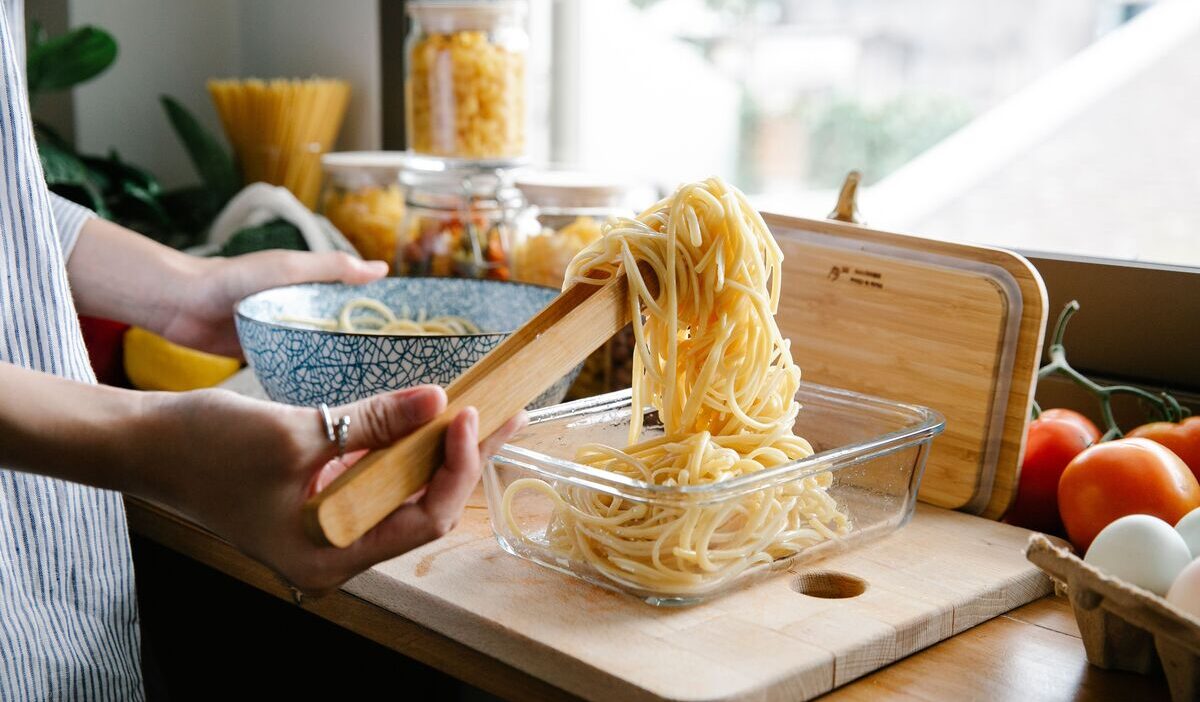
Leftover pasta makes an easy lunch or quick dinner, but it does not stay fresh indefinitely. Understanding how long does pasta last in the fridge can help you enjoy leftovers while avoiding unnecessary food waste and unsafe meals.
Storage time depends on the sauce, ingredients, refrigerator temperature, and how quickly the dish was chilled after cooking. This guide explains the recommended storage window, warning signs to check, and practical ways to keep refrigerated pasta at its best.
1. How Long Does Pasta Last in the Fridge?
Most cooked pasta lasts 3–5 days when refrigerated promptly in a covered container at 40°F (4°C) or below. Use this table as a quick reference:
| Type of pasta | Recommended refrigerator time |
| Plain cooked pasta | 3–5 days |
| Pasta with tomato sauce | 3–4 days |
| Pasta with cream or cheese sauce | 3–4 days |
| Pasta containing cooked meat | 3–4 days |
| Homemade fresh pasta, cooked | 3–4 days |
| Store-bought fresh pasta, unopened | Follow the package date |
| Store-bought fresh pasta, opened | 2–3 days |
These periods assume the leftovers were handled properly from the beginning. Keep pasta in an airtight or securely covered container and maintain the refrigerator at 40°F or below.
Moving pasta into a new container does not restart its storage clock. If it remained at room temperature beyond the safe limit, refrigerating it afterward cannot make it safe again.
2. What Affects How Long Pasta Stays Fresh?
Several details can change how long does pasta last in the fridge, so the preparation and storage history matter as much as the date.
The Type of Sauce Used
Plain pasta may retain its texture longer than pasta mixed with sauce. Tomato-based sauces can make noodles softer over time, while dishes containing cream, cheese, seafood, or meat should generally be used within the shorter 3–4-day window.
Homemade vs. Store-Bought Pasta
Fresh homemade pasta usually contains more moisture than dried pasta and may include eggs, making careful refrigeration important.
For packaged fresh pasta, follow the manufacturer’s use-by date while unopened and use it promptly after opening.
Storage Temperature
A refrigerator above 40°F allows bacteria to multiply more quickly. Store pasta on an interior shelf rather than in the door, where temperatures fluctuate whenever the refrigerator is opened.
Exposure to Air and Moisture
Uncovered pasta may dry out, absorb odors, or collect excess condensation. An airtight container limits these quality changes and reduces contact with contaminants from other foods.
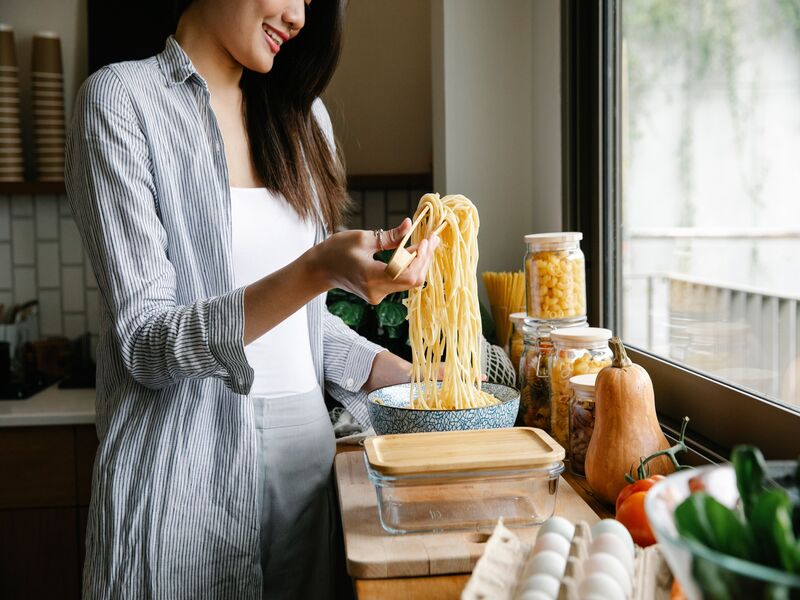
3. How to Tell If Refrigerated Pasta Has Gone Bad?
When assessing how long does pasta last in the fridge, consider both its age and condition. Spoilage signs can support your decision, but a normal appearance or smell does not guarantee safety.
Discard the pasta if you notice:
- A sour, fermented, rancid, or otherwise unpleasant smell
- A slippery, excessively sticky, or slimy coating
- Green, white, black, or fuzzy mold growth
- Unusual gray, brown, or dark discoloration
- A swollen container or unexpected bubbling in the sauce
Throw pasta away if it has exceeded the recommended period, was left out too long, or has an uncertain storage history. Do not taste questionable leftovers to determine whether they are safe.
>>> Read More: How Long Does Asparagus Last in the Fridge and How to Keep It Crisp?
4. Best Ways to Store Pasta in the Fridge
Proper handling makes the answer to how long does pasta last in the fridge more predictable while helping preserve flavor and texture.
- Let Pasta Cool Before Refrigerating
Divide large portions into shallow containers so they cool quickly. Pasta does not need to reach room temperature before refrigeration, and leaving it on the counter for an extended period creates an unnecessary safety risk.
- Use Airtight Containers
Transfer leftovers into clean, food-safe containers with secure lids. Smaller portions cool more evenly and allow you to reheat only what you plan to eat.
- Store Sauce Separately When Possible
Separate storage can prevent noodles from becoming overly soft. Tossing plain pasta with a small amount of oil may reduce sticking, although this is unnecessary when it will be mixed with sauce immediately.
- Label Leftovers with the Date
Write the cooking or refrigeration date on the container. This simple step removes guesswork and supports better refrigerator organization. More practical ideas are available in our internal leftover food storage guide.
5. How Long Can Pasta Sit Out?
Refrigerate it within two hours of cooking or serving. When the surrounding temperature exceeds 90°F (32°C), reduce that limit to 1 hour.
Cooked pasta becomes perishable once prepared, particularly when combined with meat, dairy, seafood, vegetables, or sauce.
Pasta left on the counter overnight should be discarded, even if it looks and smells normal. Refrigeration slows bacterial growth but does not reverse the time food has already spent at unsafe temperatures.
These limits align with the USDA’s guidance for handling leftovers, which can be used as an additional reference when planning meals or storing larger batches.
6. Can You Freeze Pasta for Longer Storage?
Freezing is a practical option when pasta will not be eaten within its refrigerator window. The following considerations can help protect its quality:
- Suitable pasta: Firm, slightly undercooked noodles and pasta with tomato- or meat-based sauce generally freeze well. Cream sauces may separate, while very soft noodles can become mushy.
- Storage period: Frozen pasta usually maintains its best quality for approximately 1–2 months in airtight packaging.
- Safe thawing: Thaw it overnight in the refrigerator or reheat it directly from frozen. FoodSafety.gov also recognizes the refrigerator, cold-water, and microwave methods as safe approaches for thawing perishable food.
- Reheating: Add a small amount of water or sauce, cover the dish, and heat it thoroughly, stirring when necessary to eliminate cold spots.
7. FAQs
Can You Eat Pasta After 7 Days in the Fridge?
It is safer to discard cooked pasta after seven days. This exceeds the general 3–5-day recommendation, and pasta containing meat, seafood, dairy, or eggs may have an even shorter window. Do not rely on smell or appearance alone.
Does Pasta Last Longer with or Without Sauce?
Plain pasta may retain acceptable quality slightly longer, but it should still be used within 3–5 days. Sauce containing meat, cream, cheese, or seafood can shorten the practical storage window to approximately 3–4 days.
Can You Store Cooked Pasta and Sauce Together?
Yes. Pasta and sauce can be refrigerated together in an airtight container. However, the noodles may absorb liquid and soften. Storing them separately usually preserves texture and makes portioning easier.
Is It Safe to Eat Cold Leftover Pasta?
Cold pasta can be eaten without reheating if it was cooked safely, refrigerated within two hours, kept continuously at 40°F or below, and remains within the recommended storage window.
Does Fresh Pasta Go Bad in the Fridge?
Yes. Fresh pasta has a high moisture content and can deteriorate quickly. Follow the use-by date for an unopened package and aim to use opened or homemade fresh pasta within 2–3 days, unless the manufacturer provides different instructions.
Conclusion
Knowing how long does pasta last in the fridge makes leftover meals easier to manage: use properly refrigerated cooked pasta within 3–5 days, shorten that period for highly perishable sauces, and discard anything with spoilage signs or an uncertain history.
Airtight containers, prompt cooling, clear date labels, and a refrigerator maintained at 40°F or below provide the strongest foundation for safe storage. When pasta cannot be eaten in time, freeze it early instead of waiting until the final refrigerator day.