

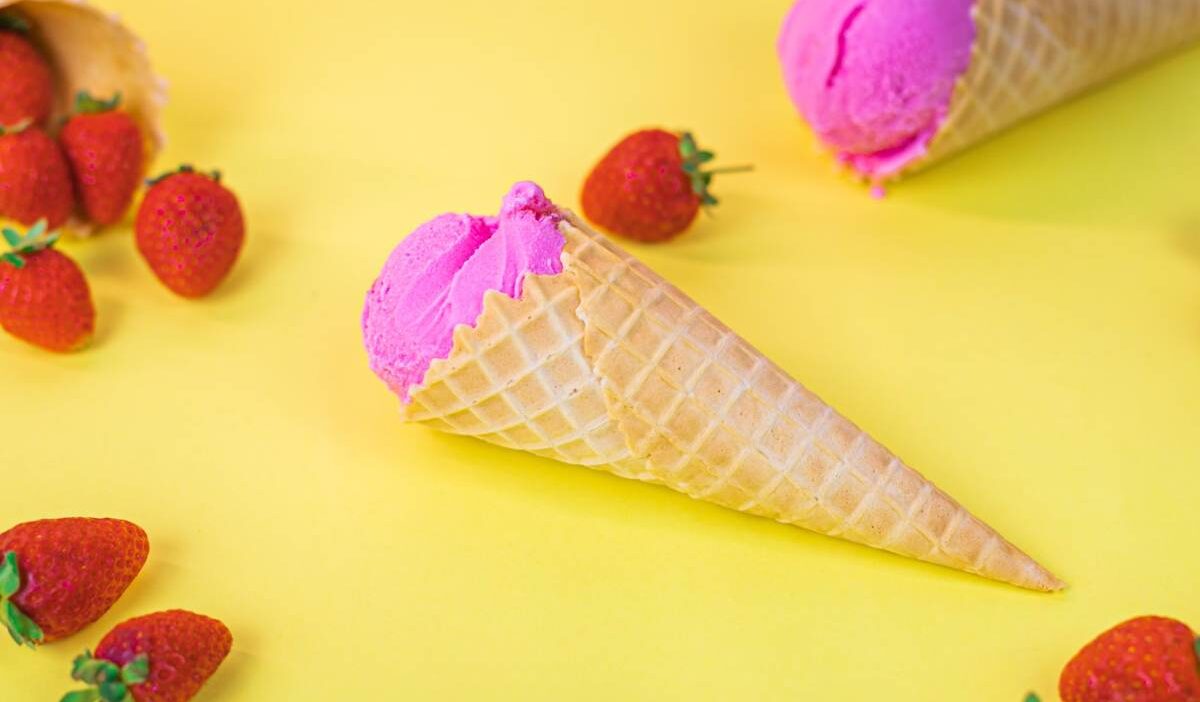
A scoop of mango sorbet might seem like an obvious choice when you’re skipping ice cream. Yet not every frozen dessert at the counter follows the same recipe, and the difference matters when you’re avoiding dairy for health or dietary reasons.
So, is sorbet dairy free across all flavors and brands? Before choosing your next frozen treat, take a closer look at the ingredients, how sorbet compares with sherbet, and the precautions worth taking when milk allergies are involved.
1. Is Sorbet Dairy Free?
Yes, traditional sorbet is naturally dairy-free. Unlike ice cream, it typically contains fruit, sugar, and water rather than milk or cream.
Its smooth texture comes from the freezing process and the balance of fruit, sugar, and liquid, so dairy isn’t necessary to achieve a refreshing consistency.
However, there are a few distinctions worth remembering:
- Traditional fruit sorbet: Usually dairy-free because it contains no milk-based ingredients.
- Specialty or flavored sorbet: May include cream, milk-based flavorings, or additional ingredients.
- Packaged sorbet: Requires checking the exact product label, especially when avoiding milk allergens.
- Restaurant sorbet: May come into contact with ice cream through shared scoops or preparation equipment.
For most people avoiding dairy, plain fruit sorbet is a convenient dessert. Those with milk allergies should also consider how the product is prepared and served.
2. Sorbet vs. Sherbet vs. Ice Cream: What’s the Difference?
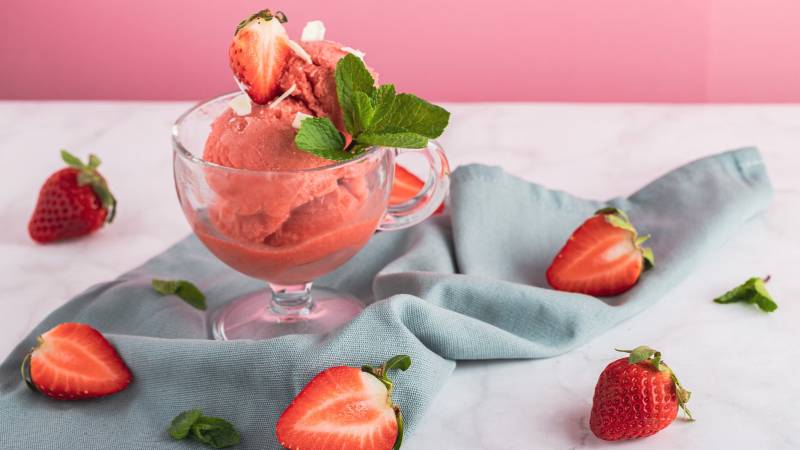
To better understand is sorbet dairy free, it helps to compare sorbet with sherbet and ice cream. Although these frozen desserts may look similar, their ingredients and dairy content can differ significantly.
| Frozen Dessert | Main Ingredients | Usually Dairy-Free? | Texture |
| Sorbet | Fruit, sugar, water | Yes | Light, icy, smooth |
| Sherbet | Fruit, sugar, milk or cream | No | Creamier than sorbet |
| Ice cream | Milk, cream, sugar, flavorings | No | Rich, creamy |
| Gelato | Milk, sugar, flavorings | No | Dense, smooth |
| Dairy-free frozen dessert | Plant-based milk, sugar, flavorings | Usually | Varies by recipe |
The distinction between sorbet and sherbet is particularly important. Although both often feature fruit flavors, sherbet traditionally contains a small amount of dairy, making it unsuitable for someone who must avoid milk proteins.
Ice cream and gelato typically contain more dairy, which contributes to their creamy consistency. Meanwhile, plant-based frozen desserts can resemble traditional ice cream without using cow’s milk. However, their ingredients may include coconut, soy, almonds, or other allergens.
For dairy-free eating, the dessert’s ingredients are more reliable than its flavor, texture, or appearance.
3. When Can Sorbet Contain Dairy?
Although sorbet is traditionally made without milk, certain ingredients and preparation practices can change that. This is particularly important when deciding is sorbet dairy free enough for someone with a strict dairy restriction.
Flavored and Infused Sorbet
A classic lemon sorbet usually needs little more than lemon juice, water, and sugar. Specialty varieties, however, can be more complicated.
Chocolate, caramel, and dessert-inspired flavors sometimes introduce milk, cream, or dairy-based flavorings to create a richer taste. Even when the finished dessert resembles ordinary sorbet, its ingredients may tell a different story.
Dairy-Derived Additives
Not every milk ingredient appears under a familiar name. Processed desserts may contain whey, casein, milk powder, or milk solids, all of which come from milk.
These ingredients are particularly important for people with milk allergies because avoiding lactose alone does not eliminate exposure to milk proteins.
Restaurant Preparation
Restaurant sorbet may follow a house recipe rather than a standard commercial formula. A chef might add yogurt for a creamier consistency or serve the dessert with whipped cream, chocolate sauce, or other dairy-containing toppings.
Ask about both the sorbet itself and anything served alongside it.
Shared Manufacturing Equipment
Even a sorbet made entirely from fruit, sugar, and water can encounter milk allergens during preparation.
At an ice cream shop, for example, the same scoop may move between dairy ice cream and fruit sorbet. Shared containers and production equipment can create similar concerns.
For someone with a milk allergy, checking the recipe is only part of the decision. Handling procedures matter too.
>>> Read more: Is Cornmeal Gluten Free? Labels, Mixes, and Cross-Contact Explained
4. How to Choose Dairy-Free Sorbet Safely
To choose dairy-free sorbet, check the ingredient list, allergen labeling, and preparation methods before buying or ordering.
Follow these four simple steps:
- Check the ingredients: Look for milk, cream, butter, whey, casein, or milk powder.
- Read allergen labels: Check whether milk is declared on packaged products, and don’t assume every flavor from the same brand is dairy-free.
- Verify the exact flavor: Fruit-based sorbets are often dairy-free, but specialty varieties may contain milk-derived ingredients.
- Ask about cross-contact: At restaurants, check whether sorbet shares scoops, containers, or equipment with dairy-based ice cream.
Important: Lactose intolerance and milk allergy are different. A lactose-free product isn’t necessarily safe for someone with a milk allergy.
5. Is Sorbet Suitable for Lactose Intolerance, Milk Allergies, and Vegan Diets?
The dietary restrictions may sound similar, but they involve different ingredients and health considerations. Knowing is sorbet dairy free is a useful starting point, although it doesn’t automatically establish that a product meets every requirement.
Here’s what to consider for each diet:
- Lactose intolerance: Traditional sorbet is generally suitable because it doesn’t contain milk or lactose. However, specialty recipes with dairy ingredients may cause digestive symptoms.
- Milk allergies: Greater caution is needed because even small amounts of milk protein can trigger allergic reactions. Choose verified milk-free products and ask about shared equipment, particularly at ice cream shops.
- Vegan diets: Most traditional fruit sorbets fit a vegan diet, but not all recipes qualify. Honey, egg whites, and certain other animal-derived ingredients may appear in specialty products.
According to the National Institute of Diabetes and Digestive and Kidney Diseases, lactose intolerance differs from milk allergy. Someone with a milk allergy must avoid milk proteins, whereas lactose intolerance involves difficulty digesting lactose.
>>> Also read: Is Pudding Gluten Free? Ingredients and Types to Check
6. FAQs
Can you eat sorbet if you are lactose intolerant?
Yes, most fruit-based sorbets are dairy-free and suitable for people with lactose intolerance. However, check the ingredients for added milk, cream, or other dairy products.
Is sorbet healthier than ice cream?
Sorbet generally contains less fat than traditional ice cream because it usually doesn’t contain cream. However, it can still be high in sugar, so the healthier choice depends on the ingredients and serving size.
Does sorbet have dairy or gluten?
Traditional sorbet is typically made from fruit, water, and sugar, making it naturally dairy-free and gluten-free. Some commercial varieties may contain additional ingredients, so always check the label.
Is gelato dairy-free?
No, traditional gelato contains milk and sometimes cream, so it isn’t dairy-free. However, some brands offer dairy-free gelato made with plant-based milk or fruit.
7. Conclusion
Is sorbet dairy free? Traditional fruit sorbet generally is, making it a refreshing alternative to milk-based frozen desserts. However, specialty recipes, added ingredients, and shared equipment mean you shouldn’t assume every product is suitable for your diet.
When buying packaged sorbet, read the ingredient and allergen labels carefully. At restaurants, ask about the recipe and serving equipment, especially when a milk allergy is involved.