
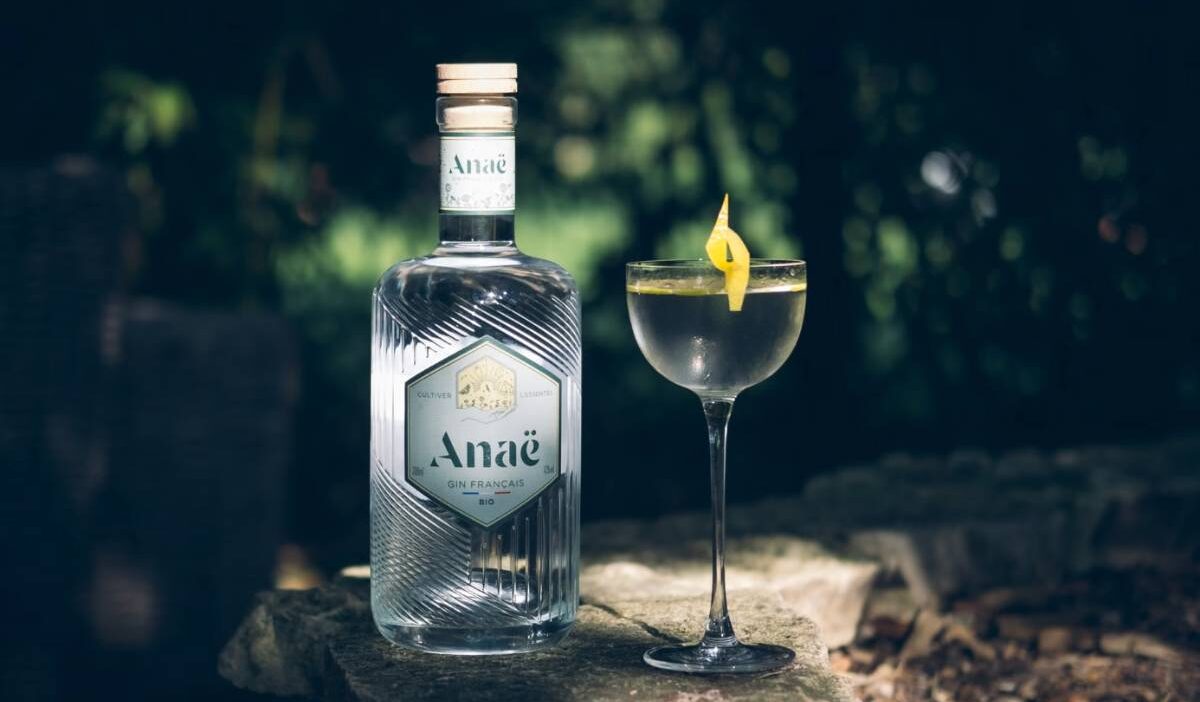
A bottle of gin may list juniper and botanicals while saying little about the alcohol underneath. Since that base spirit often starts with wheat, barley, or another grain, its suitability for a gluten free diet is not immediately obvious.
The important change happens inside the still. Determining is gin gluten free also requires a second check after distillation, since flavors, mixers, and shared bar equipment can affect what finally reaches the glass.
1. Is Gin Gluten Free?
Yes. Plain distilled gin is generally considered gluten free, even when its base alcohol comes from wheat, barley, or rye. Gin typically contains:
- A distilled neutral spirit
- Juniper
- Coriander, citrus peel, or other botanicals
- Water added to reach the intended alcohol strength
During proper distillation, alcohol and other volatile compounds separate from proteins. Gluten does not pass into the distilled spirit because it is a large, nonvolatile protein. Additional checks are needed for:
- Flavored gin
- Gin liqueurs
- Cream based products
- Canned gin cocktails
- Premixed gin and tonic
- Products sweetened or flavored after distillation
2. Why is Grain-Based Gin Gluten-Free?
Gin production begins by fermenting a source of sugar or starch. Wheat, barley, rye, corn, grapes, potatoes, or other agricultural ingredients may be used to create the base alcohol. The fermented liquid is then distilled:
- Heat turns the alcohol into vapor.
- The vapor separates from heavier compounds in the fermented mixture.
- Gluten proteins remain behind rather than traveling with the alcohol.
- The vapor is collected and condensed into a purified spirit.
- Juniper and other botanicals create the gin’s characteristic flavor.
The TTB distillation ruling explains that proper distillation removes protein, including gluten, when good manufacturing practices prevent gluten from entering the spirit afterward.
It permits qualifying distilled spirits made from gluten containing grains to carry a gluten free claim.
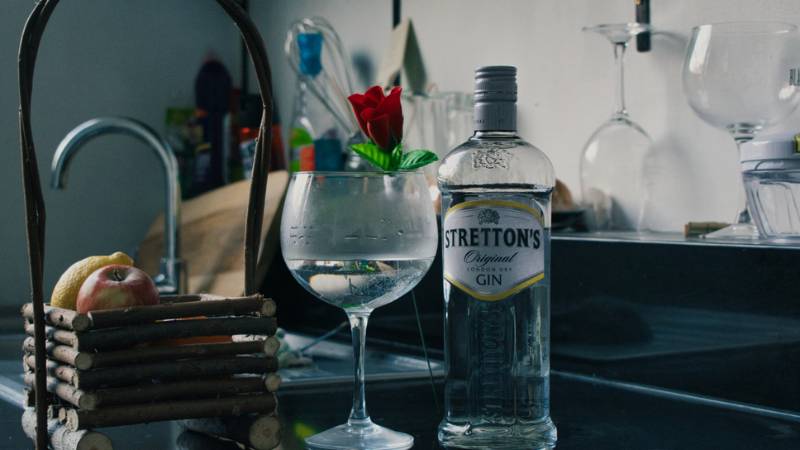
3. Are Tanqueray, Bombay, and Hendrick’s Gin Gluten-Free?
The three brands produce plain distilled gin, but an assessment should remain specific to the named bottle.
A standard London Dry Gin and a flavored extension from the same company may not have identical ingredients.
| Product | General Assessment | Important Limitation |
|---|---|---|
| Tanqueray Original London Dry | Generally considered gluten free | Does not represent every Tanqueray product |
| Bombay Sapphire | Generally considered gluten free | Flavored and ready to drink products need separate checks |
| Bombay Dry Gin | Generally considered gluten free | Verify the current bottle and market |
| Hendrick’s Original Gin | Confirmed gluten free by the brand | Mixers and cocktails remain separate concerns |
Tanqueray Original London Dry Gin
Tanqueray Original London Dry is a distilled gin flavored with juniper, coriander, angelica, and licorice.
Its standard unflavored version is generally considered gluten free because the base spirit undergoes distillation and no gluten ingredient is identified as being added afterward.
For anyone checking is Tanqueray gin gluten free, apply that assessment only to Original London Dry.
Tanqueray offers other expressions and prepared drinks, so review each product separately rather than treating the brand name as a universal guarantee.
Bombay Sapphire and Bombay Dry Gin
Bombay Sapphire and Bombay Dry Gin are distilled products made with botanical flavoring. Their standard versions are generally considered gluten free under the same distillation principle applied to other plain gins.
Individual product details clarify whether is Bombay Sapphire gin gluten free or is Bombay gin gluten free, as both spirits derive their safety from pure distillation.
- Bombay Sapphire: Generally considered gluten free as a plain distilled gin.
- Bombay Dry Gin: Also generally considered gluten free.
- Flavored Bombay products: Require an individual ingredient check.
- Premixed cans: Include tonic or other ingredients beyond the gin itself.
Hendrick’s Original Gin
Hendrick’s combines distilled gin with botanicals that include cucumber and rose. The company states in its official FAQ that Hendrick’s Gin is gluten free.
Distillation facts answer if is Hendrick’s gin gluten free, though garnishes and mixed ingredients served alongside the gin can still contain gluten.
>>> Read more: Is Tequila Gluten Free? 100% Agave, Types & Hidden Risks
4. When Can Gin Contain or Come Into Contact With Gluten?
Although plain distilled gin is generally suitable, is gin gluten free in every form? No, because gluten may enter after distillation or during drink preparation. Common concerns include:
- Added flavors: Dessert, cookie, or malt inspired flavors may introduce unverified ingredients.
- Gin liqueurs: These contain sugar and may include additional flavoring systems.
- Premixed drinks: Canned cocktails can use malt bases, flavorings, or mixers that differ from bottled gin.
- Unverified tonic water: Most tonic is gluten free, but specialty versions should still be checked.
- Cocktail ingredients: Beer, malt syrup, bitters, syrups, and flavored liqueurs require separate review.
- Garnishes: Cookies, candy, spice blends, or dehydrated toppings may contain gluten.
- Shared bar tools: Shakers, strainers, blenders, and measuring cups may retain residue from beer or malt beverages.
5. How to Choose Gin Safely on a Gluten-Free Diet
Start with the simplest product and expand the review only when flavors or mixers are involved:
- Choose a plain distilled gin: London Dry and other unflavored styles are easier to assess.
- Check the exact product and flavor: Do not apply information about the original gin to every bottle under the brand.
- Review allergen and ingredient information: Look for wheat, barley, rye, malt, and post distillation flavorings.
- Check every mixer used in the drink: Tonic, juice, bitters, syrups, and liqueurs need separate verification.
- Ask the manufacturer when information is unclear: Request details about flavoring and anything added after distillation.
- Request clean bar tools if cross contact is a concern: Ask for a clean shaker, strainer, measure, and preparation area.
- Avoid unidentified house infusions: Bars may steep gin with ingredients that are not listed on the menu.
- Recheck ready to drink products: These are formulated beverages rather than bottles of plain gin.
>>> Read more: Is Vodka Gluten Free? Types, Brands & Safety Tips
6. FAQs
Gin lovers checking if is gin gluten free can find direct answers to common questions about grain ingredients, distillation, and cocktail safety below:
Can people with celiac disease drink gin?
Most people with celiac disease can drink plain, properly distilled gin because distillation removes gluten proteins. Flavored varieties and cocktails need additional checks.
Which gin is naturally gluten free?
Gin made from a naturally gluten free base such as corn, grapes, potatoes, or sugar cane avoids gluten containing grains from the beginning. Properly distilled grain based gin is also generally considered gluten free.
Does gin and tonic contain gluten?
Plain gin and standard tonic water are usually gluten free. Specialty tonic, flavoring, syrup, and garnishes should be checked separately.
Is pink gin gluten free?
Pink gin may be gluten free, but its color and flavor usually come from ingredients added after distillation. Check the exact product instead of relying on the category.
7. Conclusion
Pure spirits clear the safety bar easily through science. Standard distillation removes grain proteins entirely, leaving pure liquor safe even when made from wheat, barley, or rye.
However, full-glass safety extends beyond the bottle. Determining whether is gin gluten free in practice requires inspecting flavored expressions, premixed canned cocktails, shared bar utensils, and cross-contaminating garnishes before taking a sip.