
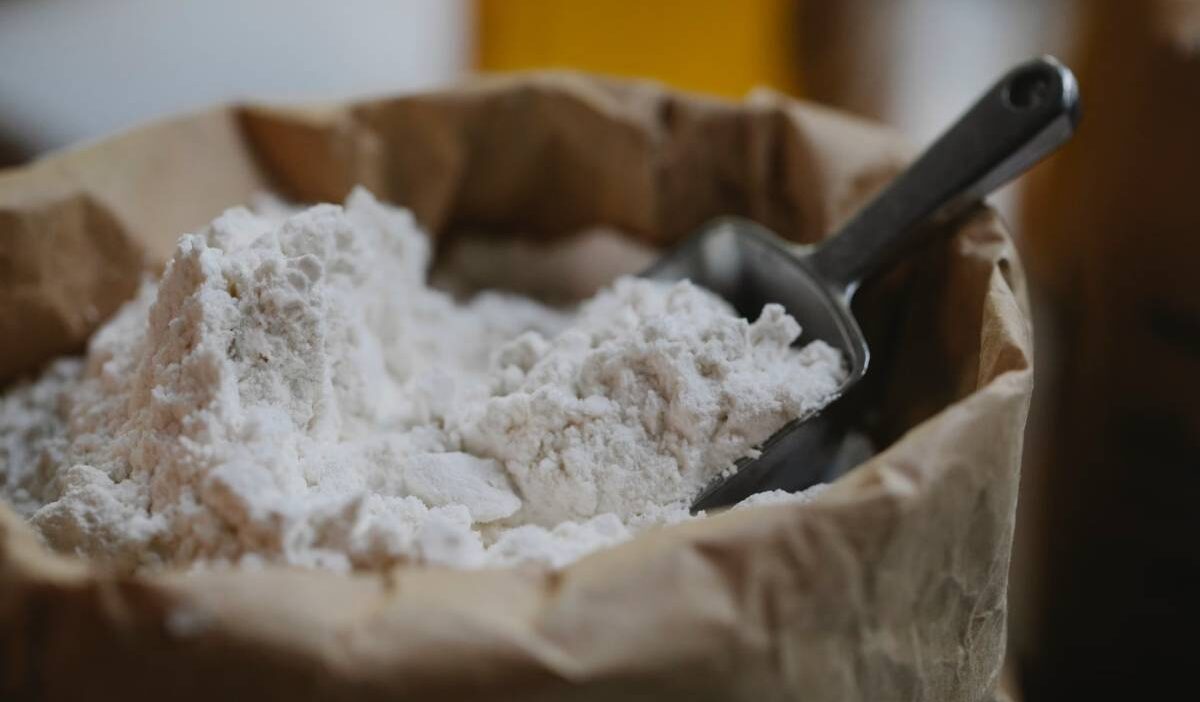
Finding maltodextrin on a food label can be confusing. Its name contains “malt,” and the starch used to produce it may come from corn, tapioca, potato, rice, or wheat.
Many shoppers naturally ask, “is maltodextrin gluten free”. Processing removes most gluten, but the starting ingredient, label details, and other food components still affect safety.
1. Is Maltodextrin Gluten Free?
Yes. Maltodextrin is generally considered gluten free, including varieties produced from wheat starch. It is a highly processed carbohydrate created when starch is broken into shorter glucose chains.
Its gluten status can be understood by looking at the original starch source:
- Corn maltodextrin: Corn does not naturally contain gluten.
- Tapioca maltodextrin: Cassava, the plant used to make tapioca, is naturally gluten free.
- Potato maltodextrin: Potato starch contains no natural gluten.
- Rice maltodextrin: Rice is naturally free from wheat, barley, and rye proteins.
- Wheat maltodextrin: Processing separates the starch from nearly all wheat protein, allowing the ingredient to meet gluten free standards in most cases.
Under the FDA labeling rule, a food carrying a gluten free claim in the United States must contain less than 20 parts per million of gluten. The claim applies to the finished product, not maltodextrin alone.
When checking is maltodextrin gluten-free, do not confuse it with barley malt, malt extract, or malt syrup. Those ingredients usually contain gluten, while maltodextrin is made from starch through a different process.
2. Which Starch Sources Are Used to Make Maltodextrin?
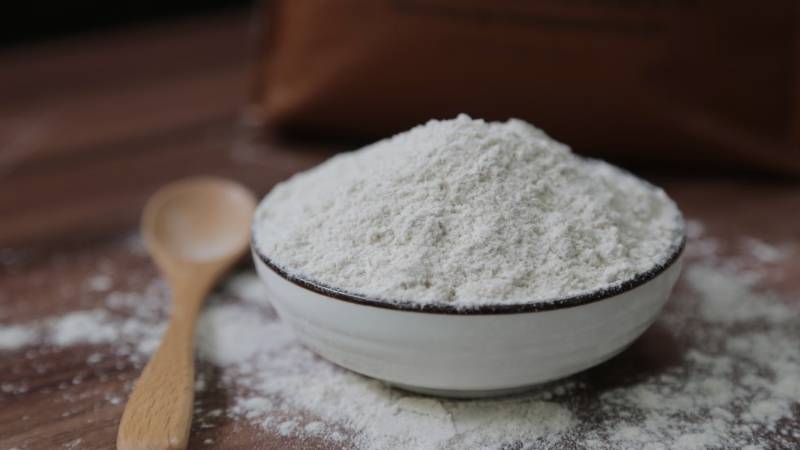
Manufacturers can produce maltodextrin from several starch rich plants. The source often depends on ingredient availability, regional farming, cost, and the intended food application.
Corn-Based Maltodextrin
Corn is a common source in the United States. Its starch is processed into a white powder frequently found in:
- Sports drinks
- Seasoning packets
- Candy and snacks
- Powdered beverages
- Sauces and dressings
- Nutritional supplements
For shoppers asking is corn maltodextrin gluten free, the answer is generally yes because corn does not naturally contain gluten. The remaining ingredients and possible cross contact must still be checked.
Tapioca-Based Maltodextrin
Tapioca maltodextrin comes from cassava root. Food manufacturers may use it to alter texture, carry flavorings, or turn fats into powders.
The answer to is tapioca maltodextrin gluten free is also generally yes. Cassava is naturally gluten-free. However, certified labels ensure total safety against cross-contamination or added ingredients.
Potato and Rice Maltodextrin
Potato and rice are naturally gluten free. Maltodextrin made from either source is therefore generally suitable for a gluten free diet.
These forms may appear in soups, sauces, baked goods, medical nutrition products, snack coatings, and flavoring systems. Labels do not always identify the source and may list only “maltodextrin.”
Wheat-Derived Maltodextrin
Wheat maltodextrin begins with wheat starch, but processing removes most wheat protein. The resulting carbohydrate generally contains sufficiently little gluten to meet applicable gluten free standards.
A label may still identify wheat as the source, depending on the country and its allergen rules. That creates an important distinction:
- Gluten free describes the product’s gluten content.
- Wheat derived identifies the original starch source.
- Celiac disease is triggered by gluten.
- Wheat allergy can involve other wheat proteins.
>>> Read more: Is Cornstarch Gluten Free? 7 Important Facts Before You Use It
3. Why Is Wheat Maltodextrin Usually Gluten-Free?
The manufacturing process explains why wheat-derived is maltodextrin gluten free, as producers extract only the starch portion rather than using whole wheat flour.
During production, manufacturers purify the starch and break it into smaller carbohydrate molecules through hydrolysis. Key factors behind this safety profile include:
- Protein distinction: Gluten is a protein, while maltodextrin is strictly a carbohydrate.
- Initial separation: Starch undergoes separation from most wheat protein before hydrolysis occurs.
- Advanced purification: Further processing removes nearly all remaining protein fragments.
- Regulatory limits: Finished foods bearing a gluten-free label must strictly meet federal safety thresholds.
4. Is Maltodextrin Safe for Celiac Disease and Wheat Allergy?
Safety rules for maltodextrin depend heavily on an individual’s specific medical diagnosis. The key safety differences for each condition include:
| Condition | Main Trigger | Maltodextrin Consideration |
|---|---|---|
| Celiac disease | Gluten from wheat, barley, or rye | Maltodextrin is generally acceptable when the finished product meets gluten free requirements |
| Wheat allergy | One or more proteins found in wheat | Wheat derived maltodextrin requires greater caution and medical guidance |
| Nonceliac gluten sensitivity | Gluten or other wheat components may trigger symptoms | Tolerance varies, so check the source and seek professional guidance |
| Corn allergy | Corn proteins | Corn maltodextrin may require individual verification despite being gluten free |
People with celiac disease can generally consume maltodextrin, including properly processed wheat derived forms.
A gluten free claim offers stronger assurance because it covers all ingredients and potential cross contact in the finished food.
Anyone with a wheat allergy should not rely only on the words “gluten free.” Review the ingredient list and allergen statement, then contact the manufacturer or an allergy specialist if the source remains unclear.
5. How to Check Maltodextrin on a Food Label?
The word maltodextrin alone rarely reveals everything about the finished product. Use this checklist:
- Look for a gluten free claim or certification: It applies to the complete food rather than one ingredient.
- Check the starch source: The label may specify corn, tapioca, potato, rice, or wheat maltodextrin.
- Review wheat information separately: This is particularly important for anyone managing a wheat allergy.
- Check every ingredient: Wheat flour, barley malt, sauces, and flavorings may introduce gluten independently.
- Consider cross contact: Shared equipment may matter even when the maltodextrin itself is suitable.
- Contact the manufacturer: Ask about the starch source and gluten controls when the label is unclear.
- Recheck familiar products: Suppliers, recipes, and manufacturing practices can change.
Similar ingredient names often confuse shoppers, requiring careful distinction between gluten-free starches and barley derivatives:
- Maltodextrin: A processed starch carbohydrate that is generally gluten free
- Barley malt: Contains gluten
- Malt extract: Commonly derived from barley
- Malt syrup: Usually made from barley unless another source is named
- Malted milk: Typically contains barley malt and milk
>>> Read more: Is Popcorn Gluten Free? 5 Types and Hidden Gluten Risks
6. FAQs
Food label confusion often leaves shoppers asking is maltodextrin gluten free, making the following clear, evidence-based FAQ responses essential for safe grocery choices:
Can celiacs eat maltodextrin?
Yes. Maltodextrin is generally suitable for people with celiac disease, including properly processed wheat derived maltodextrin. Choose a product labeled gluten free when greater assurance is needed.
Does maltodextrin contain barley?
Maltodextrin is normally produced from corn, tapioca, potato, rice, or wheat starch. It is not the same as barley malt, malt extract, or malt syrup.
Why does gluten-free food sometimes say “contains wheat”?
This label appears when products use processed gluten-free wheat starch, which is safe for celiac disease but still requires an allergen warning under food laws to protect people with wheat allergies.
7. Conclusion
Maltodextrin made from corn, tapioca, potato, rice, or highly processed wheat starch is generally gluten free. Its name does not indicate the presence of barley malt.
A reliable answer to “is maltodextrin gluten free” still requires checking the complete product. People with celiac disease should prioritize gluten free labeling, while those with wheat allergy must review the starch source and allergen information separately.