
Removing milk solids from butter can make ghee easier for some people to digest, but it does not change where the product comes from. This distinction matters when choosing food for lactose intolerance, a milk allergy, or a diet that excludes all dairy ingredients.
If you are asking “is ghee dairy free”, the reason behind avoiding dairy will affect the decision. Someone who limits lactose faces a different level of risk from a person whose immune system reacts to milk proteins.
1. Is Ghee Dairy Free?
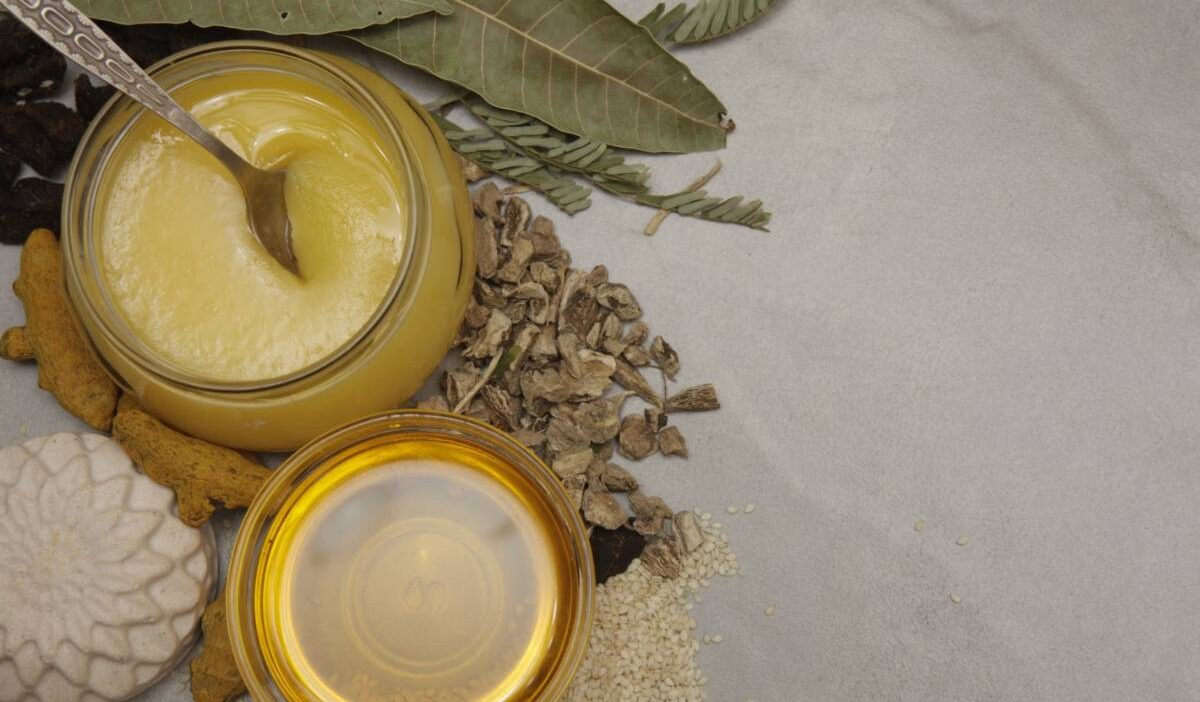
No. Ghee is not dairy free because it is made from butter, which comes from milk. Heating butter removes water and separates most of the milk solids, leaving a concentrated form of butterfat.
For anyone wondering is ghee considered as dairy, its milk origin makes the answer yes, even when very little lactose or milk protein remains.
It should not be described as vegan or suitable for a strictly dairy free diet. The clarification process changes its composition:
- Water evaporates as the butter heats.
- Milk solids separate and are strained out.
- Most lactose leaves with those solids.
- Small amounts of milk protein or lactose may remain.
- The finished product retains the rich flavor and fat from butter.
2. How Much Lactose Is Actually Left in Ghee?
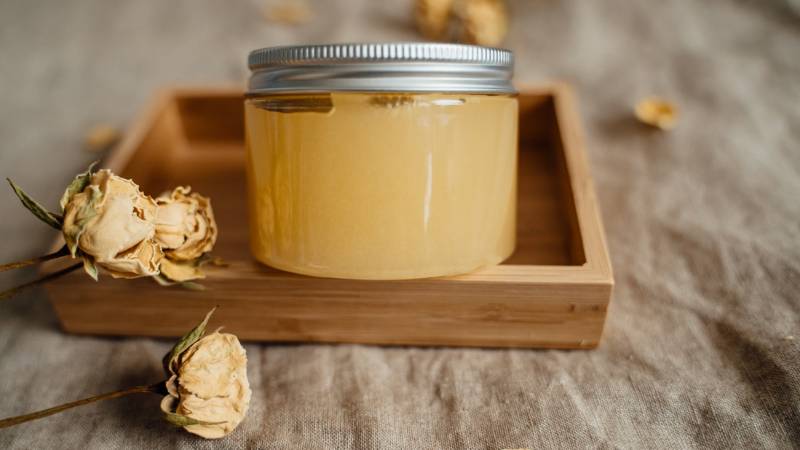
While shoppers often ask is ghee dairy free, it technically contains much less lactose than ordinary butter because most milk solids are removed during production.
However, there is no single amount that applies to every jar. The final lactose level can vary according to:
- The original butter
- Heating time and temperature
- How thoroughly the solids are removed
- Filtration methods
- Commercial versus homemade preparation
- Testing standards used by the manufacturer
A product described as low lactose is not necessarily completely free from lactose. Unless the manufacturer tests the finished ghee and provides a clear lactose free claim, trace amounts may remain.
The NIDDK explains that lactose intolerance concerns difficulty digesting lactose, the sugar naturally present in milk. Many affected people can tolerate some lactose, although the amount differs from person to person.
Someone with mild lactose intolerance may tolerate a small serving of ghee, while another person may still develop:
- Bloating
- Gas
- Abdominal discomfort
- Diarrhea
- Nausea
>>> Read more: Is Tequila Gluten Free? 100% Agave, Types & Hidden Risks
3. Is Ghee Safe for a Dairy Allergy?
Usually not. A milk allergy is an immune reaction to milk proteins such as casein or whey, whereas lactose intolerance involves difficulty digesting milk sugar.
The clarification process removes most milk solids, but it may not eliminate every trace of milk protein. Even a small residual amount can present a risk to someone with a severe allergy.
Anyone asking is ghee safe for a dairy allergy should consider these points:
- Ghee is produced directly from milk.
- Processing methods vary between manufacturers.
- Homemade ghee is not tested for residual protein.
- A previous ability to tolerate lactose does not predict allergy safety.
- Reactions to milk protein can be serious and may include anaphylaxis.
The FDA notes that milk is a major food allergen and that some allergic reactions can become life-threatening.
Packaged foods containing milk protein must identify milk in the ingredient list or an accompanying allergen statement.
4. What Are the Best Dairy-Free Ghee Alternative?
The right substitute depends on whether ghee is used for frying, baking, spreading, or adding a buttery finish.
People wondering is there a dairy free ghee can choose products designed to imitate ghee or use a naturally dairy free cooking fat.
Plant-Based Ghee-Style Products
Plant based ghee style spreads combine oils to create a texture and flavor similar to traditional ghee.
Depending on the brand, ingredients may include coconut oil, avocado oil, sunflower oil, or natural butter flavor. When selecting a product, it’s best to make sure it is:
- Clearly labeled dairy free or vegan
- Free from milk, casein, whey, butterfat, and cream
- Suitable for the required cooking temperature
- Produced with appropriate allergen controls
Refined Coconut Oil
Refined coconut oil has a neutral flavor and works well for sautéing, roasting, and some baking. Its solid texture at cooler temperatures also makes it a practical replacement for ghee in recipes that need a firm fat.
Unrefined coconut oil has a stronger coconut flavor, which may change savory dishes. Coconut is also an allergen concern for some people, even though it is unrelated to milk.
Avocado Oil or Olive Oil
Avocado oil is useful for roasting, searing, and other high temperature cooking. Olive oil works well for dressings, vegetables, sauces, and cooking at suitable temperatures.
These oils do not copy ghee’s solid texture or buttery taste, but they are naturally free from milk ingredients.
Dairy-Free Butter
Dairy free butter can replace ghee in baking, spreading, and lower temperature cooking.
Products differ in water content and firmness, so results may vary in pastries or recipes that rely heavily on fat structure.
Before using a product, it’s a good idea to check the label for:
- Milk derived flavorings
- Coconut, soy, or tree nut allergens
- Shared equipment warnings
- Recommended cooking uses
- Salt content
5. How to Choose Ghee or an Alternative Safely?
For shoppers asking is ghee dairy free, product sourcing matters far more than appearance. Here is a brief checklist to evaluate any brand before purchase:
- Check the ingredient list: Traditional ghee may list butter, cream, or milk fat, all of which confirm its dairy origin.
- Look for a “Contains: Milk” statement: The FDA’s label guidance explains where major allergens may be declared on packaged foods.
- Do not treat “lactose free” as “dairy free”: A product can contain milk proteins even after the lactose has been removed.
- Verify plant based products for other allergens: Dairy free alternatives may contain coconut, soy, sesame, or tree nuts.
- Ask about cross contact when dining out: Restaurants may cook with both ghee and vegetable oil or reuse utensils between dishes.
- Confirm vague menu terms: “Butter oil,” “clarified butter,” and “desi ghee” usually indicate dairy.
- Contact the manufacturer if necessary: Ask whether the finished product is tested for milk protein or lactose rather than relying on general claims.
>>> Read more: Is Corn Starch Gluten Free? A Safe Buying and Cooking Guide
6. FAQs
Because ghee is made from butter, many shoppers wonder is ghee dairy free. Check our quick FAQs below to understand how its production removes milk solids and whether it fits your diet.
Can lactose-intolerant people eat ghee?
Some people with lactose intolerance tolerate ghee because clarification removes most lactose. Individual tolerance varies, so begin cautiously and follow medical advice when reactions have been significant.
Is ghee vegan?
No, traditional ghee is made from butter and therefore comes from an animal derived dairy ingredient. Vegan alternatives use plant oils and should be labeled accordingly.
Does ghee contain casein?
Most casein is removed with the milk solids, but traces may remain depending on processing and filtration. Someone with a milk allergy should not assume ordinary ghee is casein free.
Is clarified butter dairy free?
No, clarified butter remains a dairy product because it begins as butter. Removing water and milk solids changes its composition but not its source.
Is ghee healthier than butter?
Ghee and butter are both concentrated sources of fat, with ghee containing slightly more fat per spoon because its water has been removed.
7. Conclusion
Ghee contains far less lactose and milk solids than butter, which may make it tolerable for some people with lactose intolerance. It still comes from milk and may retain residual milk proteins, so it is not an appropriate default for a dairy free or vegan diet.
The clearest answer to “is ghee dairy free” is no. Anyone with a milk allergy should choose a verified plant based alternative and check labels carefully for milk ingredients and cross contact warnings.