
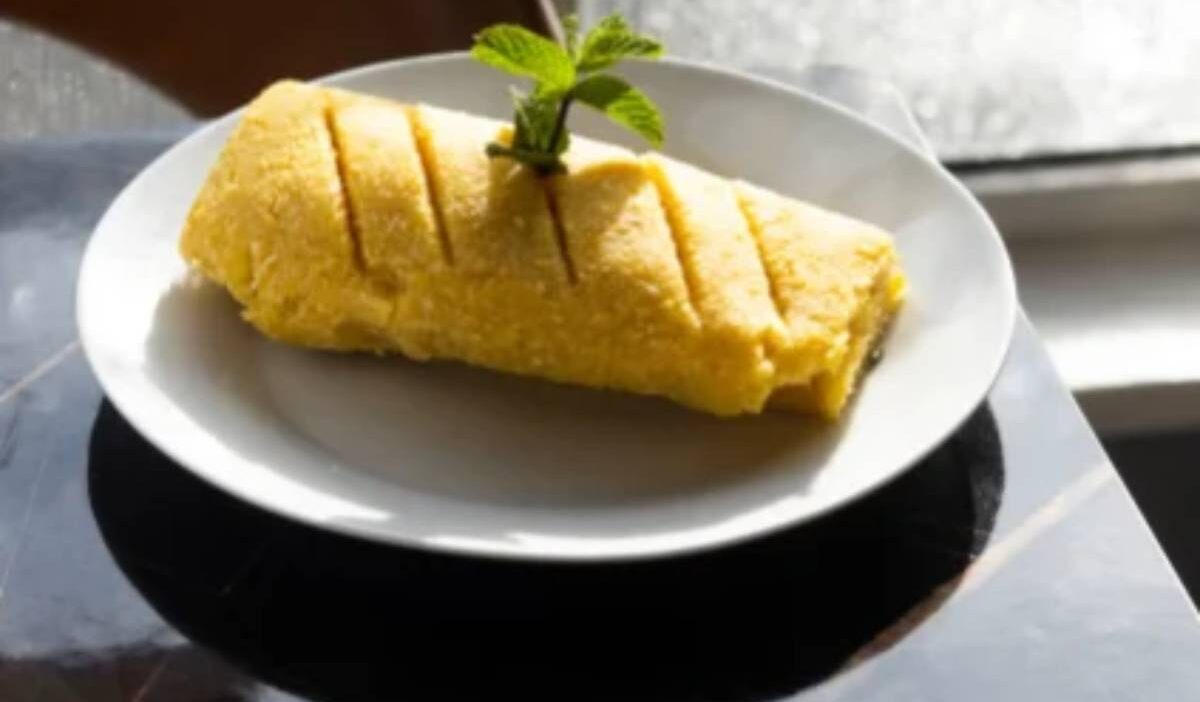
Polenta is a comforting corn-based dish, but is polenta gluten free in every form? Traditional polenta contains no gluten, yet flavored mixes, sauces, and shared cooking equipment can change that.
Whether you’re buying packaged polenta or ordering it at a restaurant, this guide explains how to identify gluten-free options and avoid potential gluten sources.
1. Is Polenta Gluten Free?
Yes, traditional polenta is naturally gluten-free because it is made from cornmeal and water. Corn does not contain the gluten proteins found in wheat, barley, or rye.
However, not every prepared polenta dish is gluten-free. Potential gluten sources include:
- Added ingredients: Broth, gravy, or seasonings containing wheat.
- Prepared varieties: Flavored mixes or fried polenta coated with wheat flour.
- Cross-contact: Shared milling equipment, cooking utensils, or fryers.
For people with celiac disease, choosing packaged polenta labeled gluten-free provides additional assurance. Under the FDA’s gluten-free labeling rules, foods carrying this claim must meet specific requirements, including containing less than 20 parts per million (ppm) of gluten.
2. What Is Polenta Made Of?
Polenta is a traditional Italian dish made by cooking ground cornmeal with water and salt until it becomes soft and creamy. Plain polenta is naturally gluten-free because corn contains no gluten.
Common ingredients added to polenta include:
- Milk or broth: Used instead of water for a richer flavor.
- Butter or cheese: Added for a creamier texture.
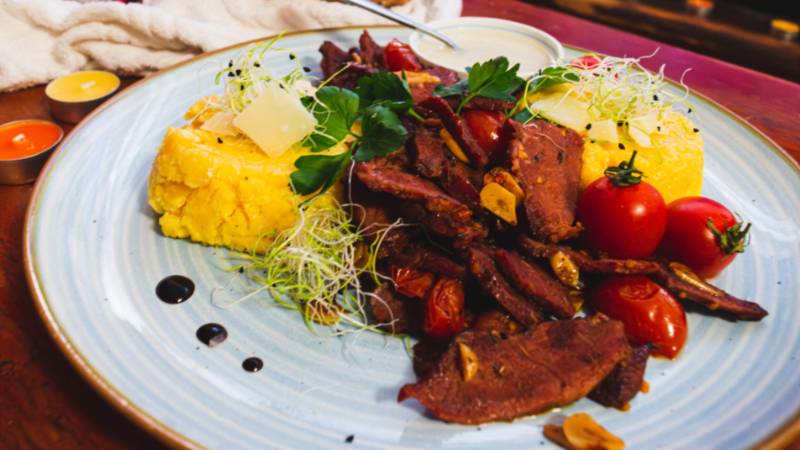
- Herbs, vegetables, or sauces: Used as toppings or seasonings.
Cornmeal is the ground corn used to prepare polenta, while polenta usually refers to the finished dish. Packaged products may also be sold as instant polenta or precooked polenta rolls.
Although the corn base is gluten-free, always check added ingredients in flavored or prepared varieties.
>>> Read more: Is Corn Starch Gluten Free? A Safe Buying and Cooking Guide
3. Are All Types of Polenta Gluten Free?
When exploring is polenta gluten free, it’s important to distinguish between plain, instant, and prepared varieties. Although they share the same corn base, added ingredients and processing methods can affect their gluten-free status.
| Type of Polenta | Usually Gluten Free? | What to Check |
| Traditional polenta | Yes | Cornmeal, broth, butter, cheese, and toppings |
| Instant polenta | Usually | Flavor packets, seasonings, and processing statements |
| Precooked polenta tube | Usually | Preservatives, flavors, and the current label |
| Creamy polenta | Depends | Broth, cheese blends, sauces, and thickening agents |
| Fried polenta | Depends | Flour coating, cooking oil, and shared fryer use |
| Restaurant polenta | Depends | Recipe, toppings, utensils, and preparation surfaces |
| Flavored packaged polenta | Varies | Full ingredient list and gluten free claim |
4. Why Can Polenta Be Unsafe on a Gluten-Free Diet?
The answer to is polenta gluten free is generally yes, but even plain polenta can become unsafe through gluten cross-contact. Here’s where gluten exposure may occur and what to watch for.
Cross-Contact During Milling or Packaging
Cornmeal may come into contact with wheat, barley, or rye when processed or packaged using shared equipment. This can introduce gluten into an otherwise naturally gluten-free product.
The NIDDK explains that cross-contact can occur during food processing, storage, or preparation. Choosing polenta labeled gluten-free provides additional assurance.
Gluten-Containing Broth, Sauces, and Seasonings
Plain polenta contains no gluten, but added ingredients may change that. Common sources include:
- Broth or bouillon: May contain wheat-based additives.
- Gravy or cheese sauce: Sometimes thickened with wheat flour.
- Seasonings and toppings: May include regular soy sauce, malt, or gluten-containing fillers.
Check packaged ingredients individually, particularly when buying flavored polenta or prepared meals.
Shared Equipment in Restaurants
Restaurant polenta may experience gluten cross-contact through shared cookware, preparation surfaces, or fryers used for breaded foods.
Before ordering, ask whether the polenta contains gluten-based seasonings and whether clean utensils and cooking equipment can be used.
If the restaurant cannot verify its ingredients or preparation methods, choose another dish.
5. Which Corn-Based Foods Are Surprisingly Not Always Gluten-Free?
Once you’ve answered is polenta gluten free, you might assume other corn-based foods are safe too. However, some familiar products contain hidden gluten or become contaminated during preparation.
Flavored or Instant Polenta
Plain instant polenta is naturally gluten-free, but flavored varieties may contain wheat-based thickeners, barley malt, or seasoning mixes with gluten-containing ingredients.
Check the ingredient list and choose products labeled gluten-free when possible.
Cornmeal and Grits Processed With
Cornmeal and grits are naturally gluten-free, but shared milling or packaging equipment may introduce gluten through cross-contact.
For people with celiac disease, sealed products labeled gluten-free provide additional assurance. Labels such as “organic” or “stone-ground” do not guarantee gluten-free processing.
Fried Polenta and Restaurant Side Dishes
Fried polenta may contain gluten if coated in wheat flour or cooked in oil shared with breaded foods.
Restaurant side dishes may also include wheat-thickened gravy, breadcrumb toppings, or sauces containing gluten.
Before ordering, confirm the ingredients and ask whether the kitchen can prevent gluten cross-contact.
>>> Also read: What Is Feel Free Drink? Ingredients Effects and Safety Risks
6. FAQs
Can celiacs eat polenta?
Yes, people with celiac disease can eat plain polenta made with verified gluten free cornmeal and safe additional ingredients. When checking “is polenta gluten free?”, they should also consider milling, packaging, sauces, and shared kitchen equipment.
Is polenta good for IBS?
Plain polenta may fit a low FODMAP eating plan in an appropriate serving, and Monash includes corn and polenta among tested low FODMAP grain options. Individual tolerance varies, while added milk, garlic, onion, cheese, and rich sauces may trigger symptoms.
Is polenta healthier than bread?
Neither food is automatically healthier because nutrition depends on the variety, portion, and added ingredients. Polenta may contain less fiber and protein than whole grain bread, while butter, cheese, or cream can substantially change its nutritional profile.
Is Bob’s Red Mill polenta gluten free?
Bob’s Red Mill currently sells a Gluten Free Yellow Corn Polenta that the company states is processed in its dedicated gluten free facility. The brand also offers other corn products, so check that the exact package carries the gluten free designation rather than relying on the brand name alone.
7. Conclusion
Plain polenta begins with cornmeal and water, making it naturally free from the gluten found in wheat, barley, and rye. Instant and precooked versions can also be suitable, while flavored, creamy, fried, and restaurant preparations require closer attention to sauces, coatings, broth, and shared equipment.
A reliable answer to is polenta gluten free comes from checking the complete dish rather than its corn base alone. People with celiac disease should favor clearly labeled products and confirm how restaurant polenta is prepared.