
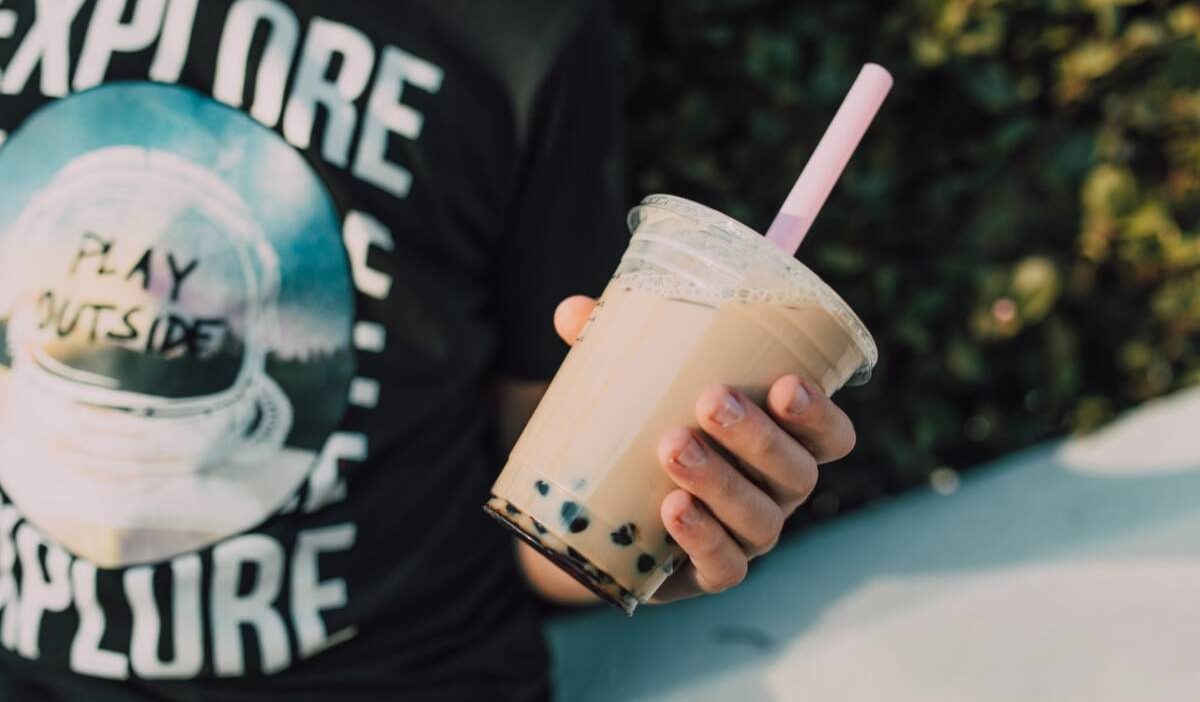
The question is boba gluten free can become complicated once pearls, tea bases, powders, syrups, and toppings are combined in one cup. A simple-looking order may contain more ingredients than expected.
This guide breaks down each part of a boba drink so you can review packaged products, compare toppings, and ask clearer questions at a tea shop.
1. Is Boba Gluten Free?
Yes, plain tapioca boba pearls are naturally gluten-free because they are made from cassava starch, which contains no gluten. However, not all boba drinks are gluten-free, as added ingredients and preparation methods may introduce gluten.
Common sources of gluten in boba drinks include:
- Flavored pearls or instant mixes: May contain gluten-containing additives.
- Milk tea powders: Some contain barley malt or other gluten ingredients.
- Toppings and syrups: Cookies, pudding, and certain flavorings may contain gluten.
- Cross-contact: Shared utensils or preparation equipment may introduce gluten.
For a safer gluten-free option, choose plain tea or milk with verified gluten-free tapioca pearls. If you have celiac disease, confirm all ingredients and preparation practices before ordering.
2. What Are Boba Pearls Made Of?
To understand is boba gluten free, start with what the pearls are made of. Traditional boba pearls use tapioca starch, but commercial varieties may contain additional ingredients that affect their gluten-free status.
- Tapioca Starch
Tapioca starch gives boba pearls their signature chewy texture. Tapioca flour generally refers to the same ingredient, but other additives in packaged pearls may affect their gluten-free status.
- Sweeteners and Coloring
Black boba pearls often contain brown sugar or caramel coloring. Flavored varieties may include fruit concentrates, artificial flavors, or stabilizers, depending on the recipe.
Packaged and Instant Boba Pearls
Instant, frozen, and shelf-stable pearls may contain modified starches, gums, or preservatives.
For people with celiac disease, look for products labeled gluten-free. Under FDA labeling rules, such products must meet specific ingredient requirements and contain less than 20 parts per million (ppm) of gluten.
3. Are All Types of Boba Gluten Free?
The answer to is boba gluten free can vary depending on the type of pearls used. While traditional tapioca pearls are typically gluten-free, other varieties may contain additives that require closer inspection.
| Boba or Topping Type | Typical Main Ingredients | Usually Gluten-Free? | What to Check |
| Traditional tapioca pearls | Tapioca starch, water, sugar | Often | Coloring, flavors, and processing |
| Brown sugar boba | Tapioca pearls and brown sugar syrup | Often | Syrup ingredients |
| Popping boba | Fruit juice, sweetener, gelling agents | Varies | Flavoring and manufacturing label |
| Crystal boba | Konjac or agar, sweetener, flavoring | Often | Added ingredients |
| Mini boba | Tapioca starch and sweetener | Often | Same risks as regular pearls |
| Jelly toppings | Coconut, grass jelly, fruit, or konjac | Varies | Malt, flavorings, and thickeners |
| Instant boba | Tapioca and shelf-stable additives | Varies | Gluten-free label |
| Cookie or cake boba | Crumbs, flavoring, or wheat-based pieces | Usually not | Wheat and shared tools |
“Usually gluten-free” is not a guarantee. Two shops may use different suppliers for toppings sold under the same name.
4. Is Boba Safe for People With Celiac Disease?
Yes, boba can be safe for people with celiac disease if all ingredients are gluten-free and the drink is prepared without gluten cross-contact. Plain tapioca pearls are naturally gluten-free, but flavored drinks and toppings may introduce gluten.
Before ordering, check these precautions:
- Verify the pearls: Choose gluten-free labeled pearls or confirm their ingredients with the shop.
- Check the tea base: Avoid barley malt, wheat-based additives, and unverified flavoring powders.
- Review toppings: Confirm that syrups, creamers, and toppings contain no gluten.
- Prevent cross-contact: Ask for clean shakers, blenders, and serving utensils.
If the shop cannot verify ingredients or preparation practices, avoid the drink and choose a verified gluten-free alternative.
>>> Read more: Is Buckwheat Gluten Free? The Answer May Surprise You
5. Which Boba Ingredients May Contain Gluten?
When checking is boba gluten free, the ingredients added to the drink matter just as much as the pearls. Some flavorings, creamers, and toppings may introduce gluten into an otherwise gluten-free beverage.
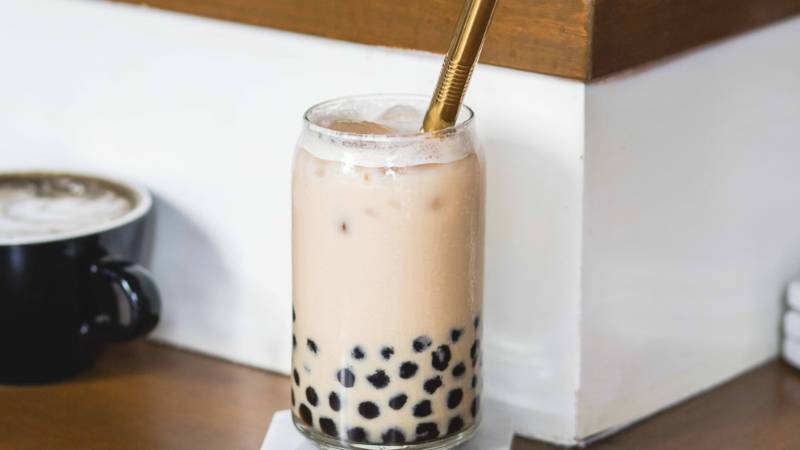
Flavored Powders and Syrups
Taro, matcha, chocolate, fruit, and brown sugar drinks may use premixed powders or syrups. These products can include starches, flavor carriers, thickeners, or other ingredients with unclear origins.
Ask to see the package label, especially when the shop cannot confirm whether the mix is gluten-free.
Pudding and Other Toppings
Egg pudding, custard, cheesecake foam, cereal toppings, and flavored jellies vary widely. Some contain modified starches or flavor mixtures, while others may be prepared near wheat-based desserts.
Each topping should be evaluated separately instead of treating the entire topping bar as gluten-free.
Cookies and Malt-Based Ingredients
Crushed cookies, cake pieces, cereal, brownies, and malt powder commonly contain wheat or barley. Drinks described as cookies and cream, cereal milk, malted chocolate, or cheesecake are therefore higher-risk choices.
Removing the visible cookie topping may not make the drink safe if crumbs or powder are already mixed into it.
Milk Tea Bases
Freshly brewed tea and plain milk are naturally gluten-free, but commercial milk tea bases may contain powdered creamers, flavorings, or malt. This distinction matters when checking is boba gluten free, as the tea base can introduce gluten even when the pearls are gluten-free.
Non-dairy does not guarantee gluten-free ingredients. Check oat milk labels for gluten-free claims, especially if you have celiac disease.
6. How to Order Gluten-Free Boba Safely
To order gluten-free boba safely, check the ingredients, choose a simple drink, and confirm that the shop can prevent gluten cross-contact.
- Ask for an Ingredient List
Confirm that the tapioca pearls, tea base, creamers, syrups, and toppings are gluten-free. Ask staff whether the pearls carry a gluten-free label and whether any flavoring powders contain wheat, barley, rye, or malt.
- Choose Simple Tea and Tapioca Pearls
Plain brewed tea with milk and verified gluten-free tapioca pearls is often easier to assess than specialty drinks. Avoid unverified flavored powders, dessert toppings, and premixed bases.
- Check for Cross-Contact
Ask whether shakers, blenders, scoops, and preparation surfaces are cleaned between orders. Shared equipment may introduce gluten from cookies, malt-based powders, or other ingredients.
If the shop cannot verify the ingredients or prevent cross-contact, choose another drink with confirmed gluten-free ingredients and preparation.
>>> Helpful blog: Is Couscous Gluten Free? 6 Best Alternatives to Try
7. FAQs
Do boba balls contain gluten?
Plain boba balls made from tapioca starch typically do not contain gluten. Added flavors, coloring, preservatives, or shared production equipment can change the answer, so check the product label.
What is surprisingly not gluten-free?
Soy sauce, malt vinegar, some oat products, imitation crab, flavored chips, soup bases, and seasoning blends can contain unexpected gluten. Labels should be reviewed even when wheat is not obvious from the product name.
Do pearls have gluten?
Traditional tapioca pearls are generally gluten-free, while popping pearls, flavored pearls, and instant varieties require individual checking. When asking is boba gluten free, remember that the drink base and toppings matter as much as the pearls.
8. Conclusion
A basic boba drink can fit a gluten-free diet when the tapioca pearls, tea, milk, and sweetener have been verified. Specialty powders, dessert toppings, malt ingredients, and shared equipment introduce more uncertainty.
Therefore, is boba gluten free depends on the entire order, not only the chewy pearls. Choose simpler combinations, review labels, and ask about preparation practices when gluten must be strictly avoided.