

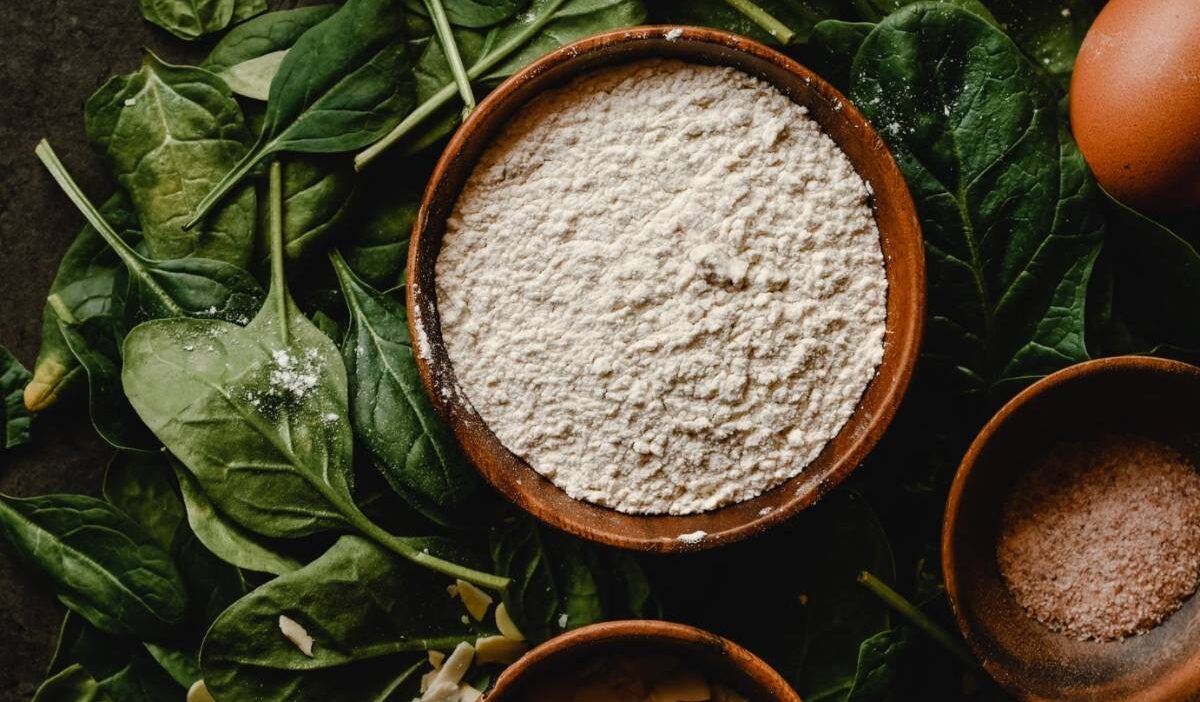
You’ve found a recipe that calls for almond flour, but there’s one thing worth checking before you start mixing. Is almond flour gluten free, and can you safely use any brand for gluten-free baking?
Although almonds contain no gluten, manufacturing practices and added ingredients can affect the final product. Here’s how to choose the right almond flour and avoid common mistakes that could ruin your gluten-free baking plans.
1. Is Almond Flour Gluten Free?
Yes, pure almond flour is naturally gluten-free because it’s made from ground almonds, not wheat, barley, or rye. Almond meal is also gluten-free when made entirely from almonds, although it has a coarser texture.
However, packaged almond flour may contain gluten due to cross-contact during processing or added ingredients.
Before buying, check:
- Ingredients: Look for 100% almonds without gluten-containing additives.
- Gluten-free labeling: Choose products labeled or certified gluten-free, especially if you have celiac disease.
- Cross-contact risks: Check shared-equipment warnings and contact the manufacturer if needed.
For safer gluten-free baking, use verified gluten-free almond flour and clean kitchen equipment.
2. When Can Almond Flour Contain Gluten?
If you’re wondering is almond flour gluten free, the answer depends on how it’s processed and handled. Although pure almonds are naturally gluten-free, cross-contact or added ingredients can introduce gluten.
According to Beyond Celiac, consumers should check ingredients and potential contamination risks.
Common sources include:
- Shared equipment: Machinery used for wheat flour may transfer gluten to almond flour during processing.
- Added ingredients: Baking mixes may contain wheat, barley, rye, or gluten-containing additives.
- Flour blends: Products labeled “almond flour blend” may include other flours that contain gluten.
- Kitchen cross-contact: Shared utensils, sifters, countertops, or storage containers can introduce gluten during baking.
For people with celiac disease, choose almond flour labeled gluten-free and use clean equipment to minimize cross-contact.
>>> Read more: Is Cheese Gluten Free? Which Types Are Safe to Eat
3. Is Almond Flour Safe for Celiac Disease and Wheat Allergy?
Yes, almond flour is generally safe for people with celiac disease or wheat allergies, provided it contains no gluten or wheat cross-contact and the person is not allergic to almonds.
However, safety depends on the condition:
- Celiac disease: Choose almond flour labeled or certified gluten-free to reduce the risk of gluten exposure during processing.
- Wheat allergy: Pure almond flour is a wheat-free alternative, but check labels for wheat ingredients and possible cross-contact.
- Tree nut allergy: Avoid almond flour if you have an almond allergy, as almonds are tree nuts and can trigger serious allergic reactions.
For safer baking, read ingredient labels carefully and use clean utensils to prevent cross-contact.
4. How to Choose Gluten-Free Almond Flour Safely
Knowing is almond flour gluten free isn’t enough to guarantee every product is safe. Before buying, check these key factors to avoid hidden gluten and choose the right almond flour for your dietary needs.
- Read every ingredient: Choose flour containing only almonds unless all added ingredients are confirmed gluten-free.
- Look for a gluten-free claim: This is especially important for people with celiac disease or high sensitivity.
- Check for certification: A trusted certification mark indicates that the product follows the certifier’s standards.
- Review allergen warnings: Note any statements about wheat, shared equipment, or a facility that handles gluten-containing grains.
- Avoid unclear flour blends: Examine each component rather than assuming an almond-based mixture is safe.
- Recheck repeat purchases: Recipes, suppliers, and manufacturing facilities can change without the package looking dramatically different.
- Contact the manufacturer: Ask about shared lines, cleaning procedures, and gluten testing when the label is incomplete.
- Protect the flour at home: Store it in a sealed container and use clean scoops, bowls, pans, and work surfaces.
The flour is only one part of the finished recipe. Baking powder, flavorings, chocolate, decorations, and other ingredients also need suitable labels and clean handling.
5. Is Almond Flour Healthier Than Regular Wheat Flour?
Almond flour can be healthier than refined wheat flour for some diets, as it generally contains more protein, healthy fats, and fiber while providing fewer carbohydrates. It also contains vitamin E and magnesium.
However, each flour has different nutritional benefits:
- Almond flour: Naturally gluten-free, lower in carbohydrates, but higher in calories and unsuitable for people with almond allergies.
- Regular wheat flour: Generally lower in fat and calories, while whole-wheat varieties provide fiber, B vitamins, and other nutrients.
Gluten-free doesn’t automatically mean healthier. Almond flour may suit gluten-free or lower-carb diets, but the healthiest choice depends on your nutritional needs, portion sizes, and recipe.
>>> Read more: Is Buckwheat Gluten Free? The Answer May Surprise You
6. What Other Flours Are Naturally Gluten-Free?
Once you know the answer to is almond flour gluten free, you may want to explore other alternatives for baking. Several naturally gluten-free flours offer different textures, flavors, and nutritional benefits.
- Coconut flour: Absorbs considerable liquid and often requires more eggs.
- Rice flour: Has a mild flavor but may create a slightly gritty texture.
- Chickpea flour: Adds protein and a noticeable savory flavor.
- Buckwheat flour: Comes from a seed rather than wheat and has an earthy taste.
- Tapioca flour: Adds stretch and helps bind gluten-free flour mixtures.
These options have different moisture, structure, and flavor profiles. They cannot always replace almond flour cup for cup, so use a tested recipe or a purpose-made blend.
7. FAQs
What Is the Secret to Baking With Almond Flour?
The secret to baking with almond flour is balancing moisture and structure. Use recipes specifically designed for almond flour, measure ingredients carefully, and allow baked goods to cool before handling. Almond flour absorbs moisture differently than wheat flour, so direct substitutions may fail.
What Happens When You Replace All-Purpose Flour With Almond Flour?
The result may become softer, denser, and more moist. Because almond flour lacks gluten and contains more fat, a one-to-one replacement may cause bread, cookies, or cakes to spread, crumble, or fail to rise as intended.
What Is the Downside of Almond Flour?
Almond flour can be expensive, calorie-dense, and unsafe for people with almond allergies. It also lacks gluten’s elasticity, so some recipes require eggs, starches, or other binding ingredients to hold their shape.
8. Conclusion
So, is almond flour gluten free? Pure almond flour is, but the safety of a packaged product also depends on added ingredients, processing conditions, and kitchen handling. Check the ingredient list, gluten-free claim, certification, and shared-equipment warnings before purchasing.
Once opened, store the flour separately and prepare it with clean utensils and surfaces. These precautions help keep recipes suitable for a gluten-free diet while allowing almond flour to deliver its characteristic texture and flavor.