

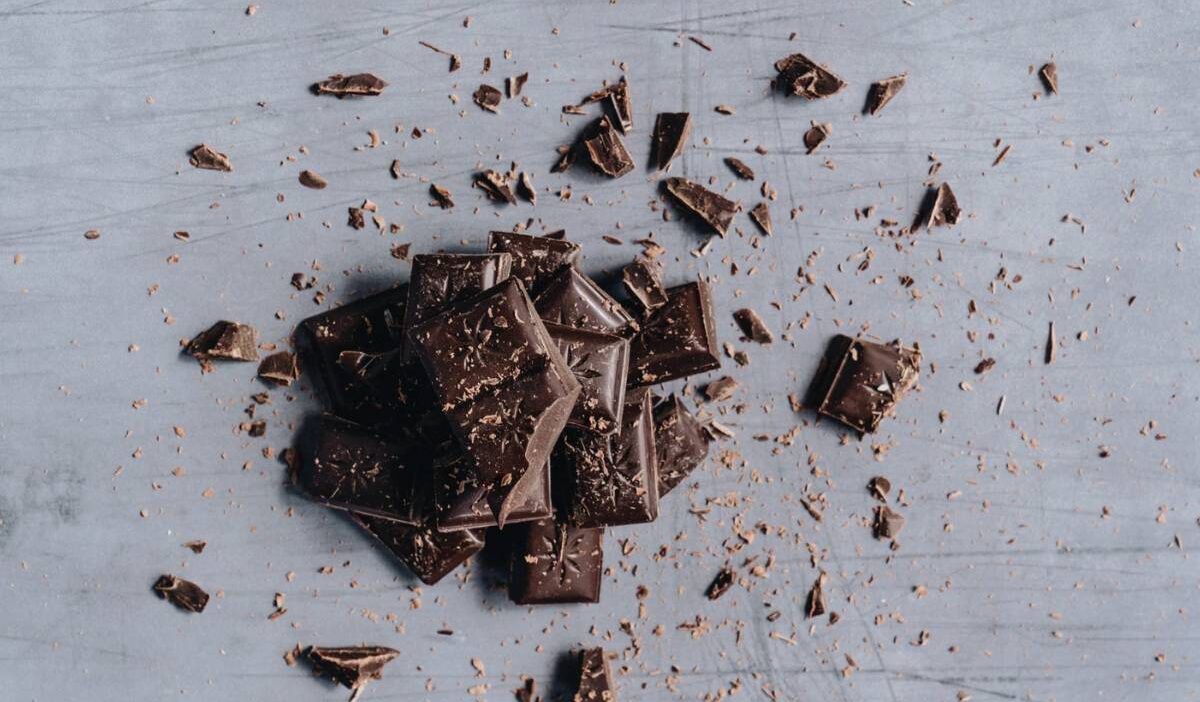
The label holds the most useful clues behind is chocolate gluten free, especially when a product contains fillings, flavorings, crunchy pieces, or several layers. Two chocolate bars that look similar can have very different ingredient lists and manufacturing warnings.
This guide covers chocolate types that may fit a gluten-free diet, ingredients that require closer attention, and practical checks for reducing cross-contact risks when shopping.
1. Is Chocolate Gluten Free?
Pure chocolate is naturally gluten-free because cocoa beans do not contain wheat, barley, or rye. Basic chocolate made only from cocoa solids, cocoa butter, sugar, and milk ingredients may therefore be suitable for a gluten-free diet.
However, a finished chocolate product is not automatically gluten-free. Manufacturers may add gluten-containing ingredients or produce chocolate on equipment shared with cookies, wafers, pretzels, and other wheat-based products.
A gluten-free claim offers clearer guidance than the product name alone. Under the FDA gluten-free labeling rule, foods using this claim must contain less than 20 parts per million of gluten.
2. Which Types of Chocolate May Be Gluten-Free?
Several common chocolate varieties may be gluten-free when they contain no problematic additions and are produced with appropriate cross-contact controls:
- Plain dark chocolate: Usually contains cocoa solids, cocoa butter, and sugar. Milk or soy may also be present, but these ingredients do not contain gluten by themselves.
- Plain milk chocolate: Commonly combines cocoa, sugar, milk solids, and cocoa butter. Its dairy content does not determine its gluten status.
- Plain white chocolate: Typically contains cocoa butter, sugar, milk solids, and flavoring without cocoa solids.
- Unsweetened baking chocolate: Often has a short ingredient list based primarily on cocoa solids and cocoa butter.
- Gluten-free chocolate chips: Suitable products should carry a clear gluten-free claim, particularly when used in food for someone with celiac disease.
- Certified gluten-free chocolate bars: Third-party certification can provide additional assurance about testing and production requirements.
- Single-origin chocolate: These bars may have simple formulas, although “single-origin” describes where the cocoa came from rather than confirming the absence of gluten.
- Plain cocoa powder: Natural and Dutch-process cocoa powder may be gluten-free when no other ingredients have been added.
>>> Read more: Is Cheese Gluten Free? Which Types Are Safe to Eat
3. Which Chocolate Ingredients May Contain Gluten?
The following items can introduce gluten into chocolate products:
- Barley malt or malt extract: Often used to add sweetness or a toasted flavor.
- Malt flavoring: Usually derived from barley unless another source is clearly identified.
- Wheat flour: Common in chocolate containing cookies, cake pieces, wafers, or brownie mix-ins.
- Cookie crumbs: Frequently made with wheat flour and may appear in filled or crunchy bars.
- Wafer pieces: Usually contain wheat unless specifically made with gluten-free flour.
- Pretzels: Conventional pretzels are commonly made from wheat.
- Crisped rice: The rice itself is gluten-free, but some crisped rice contains barley malt flavoring.
- Oats: Regular oats may be exposed to wheat or barley during farming and processing. Look for oats identified as gluten-free.
- Brewer’s yeast: It may contain residual gluten from barley used during brewing.
- Wheat starch: This ingredient requires careful review even when it appears in an imported product or specialty filling.
- Cereal fillings: Grain-based centers may include wheat, barley, malt, or a combination of these ingredients.
- Licorice pieces: Some licorice products use wheat flour as a binder.
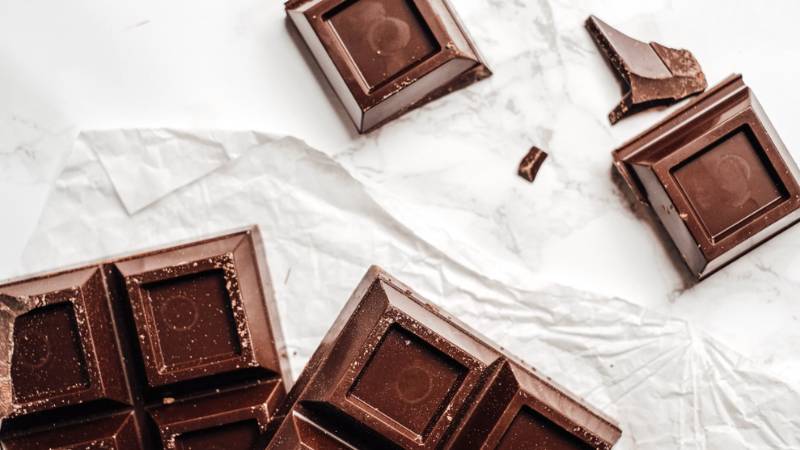
4. How to Check Whether Chocolate Is Gluten-Free?
Start with the package rather than judging the product by its flavor or appearance.
A plain-looking chocolate bar can contain malt, wafer crumbs, or other ingredients that are not visible from the outside. Use these checks before buying:
- Read the complete ingredient list for wheat, barley, rye, malt, malt extract, and wheat-based mix-ins.
- Review the allergen statement for wheat and any advisory warning about shared equipment.
- Look for a clear gluten-free claim on the package.
- Distinguish a manufacturer’s claim from independent gluten-free certification.
- Check ingredients such as crisped rice, oats, cookie pieces, and cereal fillings individually.
- Confirm that imported chocolate follows labeling standards relevant to its country of sale.
- Review each flavor separately because products from the same brand may use different ingredients.
- Recheck familiar products in case the recipe or manufacturing statement has changed.
- Contact the manufacturer if the source of malt, starch, flavoring, or a filling is unclear.
5. How to Avoid Gluten Cross-Contact When Buying Chocolate?
Cross-contact can occur when chocolate is produced, displayed, handled, or packaged near gluten-containing foods.
For shoppers researching is chocolate gluten free, these precautions can reduce exposure:
- Choose sealed, packaged chocolate with a clear gluten-free statement.
- Prefer certified products when purchasing for someone with celiac disease.
- Read warnings about shared equipment or facilities that process wheat.
- Avoid loose chocolate from uncovered bulk bins.
- Do not use shared scoops from candy or baking aisles.
- Ask whether handmade chocolates share molds, trays, or utensils with cookie-based products.
- Check whether toppings are stored separately at chocolate shops.
- Avoid products displayed beside unpackaged cakes, cookies, or pastries when handling practices are unclear.
- Keep gluten-free chocolate separate from wheat-containing candy after bringing it home.
- Use a clean container if the original package cannot be resealed.
>>> Read more: Is Buckwheat Gluten Free? The Answer May Surprise You
6. FAQs
Standing in the candy aisle trying to figure out is chocolate gluten free often comes down to reading between the lines of the ingredient list. Scan these quick insights before picking up your next dark, milk, or white chocolate bar.
Is dark chocolate gluten-free?
Plain dark chocolate may be gluten-free when it contains only cocoa ingredients, sugar, and suitable flavorings.
Is milk chocolate gluten-free?
Milk chocolate can be gluten-free. Milk does not contain gluten, but added wafers, malt flavoring, cereal pieces, or filled centers may change the finished product.
Is white chocolate gluten-free?
Plain white chocolate made from cocoa butter, sugar, and milk ingredients may be suitable. Its ingredient list and manufacturing statement should still be checked.
Are chocolate chips gluten-free?
Some chocolate chips are labeled gluten-free, while others may be made on shared equipment or contain additional flavorings. Check each brand and variety before using it in gluten-free baking.
Can people with celiac disease eat chocolate?
Yes, people with celiac disease may eat chocolate that meets gluten-free requirements and has been protected from cross-contact. Labeled or certified products can provide clearer assurance than chocolate with no gluten information.
7. Conclusion
Pure cocoa does not naturally contain gluten, but a chocolate product may include malt, wheat-based fillings, cookie pieces, wafers, or contaminated toppings. Manufacturing and handling practices can also affect an otherwise suitable recipe.
The practical response to is chocolate gluten free depends on both the ingredient list and cross-contact controls. Choose clearly labeled products, inspect every flavor separately, and avoid loose or handmade chocolate when its preparation cannot be confirmed.