
Corn starch is a familiar thickener for soups, sauces, gravies, and desserts. Most people use it without checking the package twice, but anyone following a gluten-free diet has a good reason to pause and ask: Is corn starch gluten free?
Looking at both the label and how the corn starch is handled gives you a more reliable way to decide whether it belongs in your meal.
1. Is Corn Starch Gluten Free?
Yes. Plain corn starch is naturally gluten-free because it comes from the starchy portion of corn rather than wheat, barley, or rye.
In its basic form, it can be used in a gluten-free diet to thicken sauces, soups, gravies, pie fillings, and puddings.
However, “naturally gluten-free” does not mean every product is equally suitable. Added ingredients or contact with gluten during manufacturing and food preparation may create a concern, especially for people with celiac disease.
2. When Can Corn Starch Contain or Come Into Contact With Gluten?
The risk usually comes from how the product is manufactured or used rather than from corn starch itself.
Cross-Contact During Manufacturing
A manufacturer may process corn starch in the same facility or on the same equipment used for wheat-based ingredients. Flour dust or residue can then reach the corn starch before it is packaged.
A shared-facility statement does not prove that contamination occurred, but people with celiac disease should review official FDA gluten-free labeling standards and may prefer a product labeled or certified gluten-free when processing transparency is unclear.
Corn Starch Blends and Flavored Products
A package labeled as a thickening blend, gravy mix, baking mix, or seasoned coating may contain more than corn starch. Wheat flour, malt-derived flavoring, or another gluten-containing ingredient may be included.
Read the complete ingredient list rather than relying on the word “corn” on the front of the package. Plain corn starch and a corn starch-based mix are not necessarily interchangeable.
Cross-Contact in Restaurants and Home Kitchens
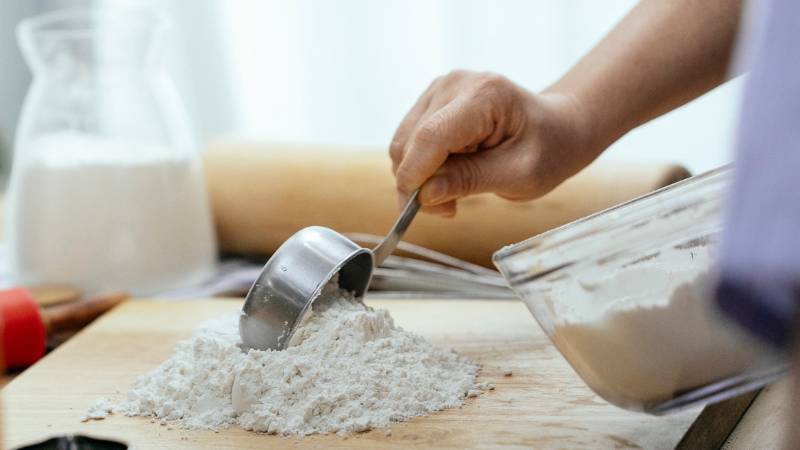
Gluten can reach corn starch through shared measuring spoons, containers, cutting boards, strainers, or cooking utensils. A spoon previously used in wheat flour can transfer residue into an otherwise gluten-free package.
Restaurants may also use the same preparation surfaces, fryers, or sauce containers for several dishes.
3. How to Choose Corn Starch for a Gluten-Free Diet?
A short label check can help you avoid products with added ingredients or uncertain handling:
- Choose plain corn starch rather than a multipurpose thickening blend.
- Look for a clear gluten-free statement on the package.
- Check the ingredient list for wheat, barley, rye, malt, or wheat flour.
- Review allergen information and voluntary shared-equipment warnings.
- Avoid damaged or previously opened packages.
- Choose certified gluten-free products when stronger third-party verification is important.
- Recheck the label when buying a familiar product because formulations can change.
- Store the package separately from wheat flour and baking mixes at home.
>>> Read more: Is Popcorn Gluten Free? 5 Types and Hidden Gluten Risks
4. Corn Starch vs. Similar Corn Products
Several corn-based ingredients look alike but behave differently in a recipe. Their names may also vary between countries, so check both the ingredient description and intended use.
| Product | What It Is | Naturally Gluten-Free? | What to Check |
|---|---|---|---|
| Corn starch | Fine starch taken from the corn endosperm | Yes | Gluten-free labeling and manufacturing conditions |
| Corn flour | Finely ground corn, often containing more of the kernel | Yes | Regional naming and possible shared equipment |
| Cornmeal | Coarsely or finely ground dried corn | Yes | Processing facility and added ingredients |
| Modified corn starch | Corn starch altered to change its cooking performance | Yes | Confirm that the label specifies corn and review additives |
| Corn-based baking mixes | A prepared mixture containing corn ingredients | Not always | Wheat flour, malt, flavorings, and allergen statements |
Is Modified Corn Starch Gluten Free?
Modified corn starch is generally gluten-free because “modified” describes a processing change rather than the addition of wheat. It may be treated to improve stability, texture, or thickening performance.
The source still matters. If the label says modified corn starch, the starch comes from corn. If it says only modified food starch, check the allergen statement and contact the manufacturer when the source remains unclear.
Corn Starch vs. Corn Flour
Corn starch contains mainly the starch extracted from corn, giving it a very fine texture and strong thickening ability.
Corn flour is made by grinding more of the corn kernel and contributes flavor, color, and structure as well as some thickening.
5. How to Use Corn Starch Safely in Gluten-Free Cooking?
The question “Is corn starch gluten free?” matters, but safe preparation also depends on the other ingredients and tools involved.
Thickening Soups, Sauces, and Gravies
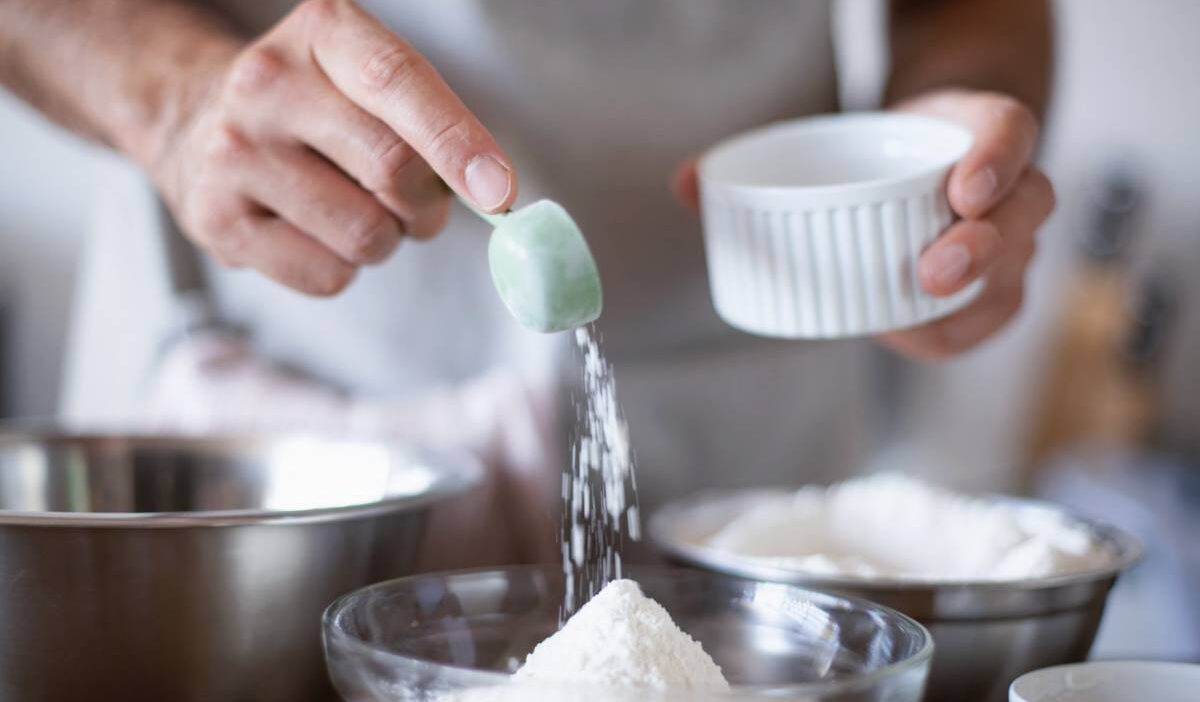
Mix corn starch with cool water or another cold liquid before adding it to hot food. This slurry helps prevent lumps and distributes the starch evenly.
Check every ingredient in the dish, including broth, bouillon, soy sauce, seasoning blends, and gravy bases.
Using Corn Starch in Gluten-Free Baking
Corn starch can soften cakes, improve cookie texture, and help create a lighter gluten-free flour blend.
It does not replace wheat flour by itself in every recipe because it lacks the protein and structure needed for many baked goods.
Preventing Cross-Contact During Preparation
Use a clean spoon rather than one that has touched wheat flour. Prepare the recipe with clean bowls, whisks, pans, and work surfaces.
Store corn starch in a sealed, labeled container away from wheat-based baking ingredients. In a shared kitchen, separate containers and utensils reduce the chance of flour residue entering the food.
>>> Read more: Is Couscous Gluten Free? 6 Best Alternatives to Try
6. FAQs
If you are following a strict gluten-free diet, asking “Is corn starch gluten free?” is essential for your meal planning. Below is the breakdown of its safety and nutritional facts.
Is corn starch safe for people with celiac disease?
People with celiac disease should still check the label and choose a gluten-free product when manufacturing cross-contact is a concern.
Does corn starch contain wheat flour?
Plain corn starch does not contain wheat flour. Thickening blends, gravy mixes, and baking products may combine corn starch with wheat ingredients, so check the full ingredient list.
Is modified food starch always gluten-free?
Not always. Modified food starch can come from corn, potato, tapioca, wheat, or another source. In the United States, wheat must be disclosed as a major allergen, but checking the label remains important.
Do you need certified gluten-free corn starch?
Certification is not necessary for every person following a gluten-free diet. However, it may provide added confidence for people with celiac disease or anyone who needs stricter protection from cross-contact.
7. Conclusion
For most gluten-free recipes, plain corn starch is a practical choice for thickening and baking. Still, the package matters as much as the ingredient itself, especially when celiac disease makes even small amounts of gluten a concern.
That brings us back to the main question: Is corn starch gluten free? Yes, naturally. Choose a clearly labeled product when needed, check any blended ingredients, and keep the container away from wheat flour during preparation.