
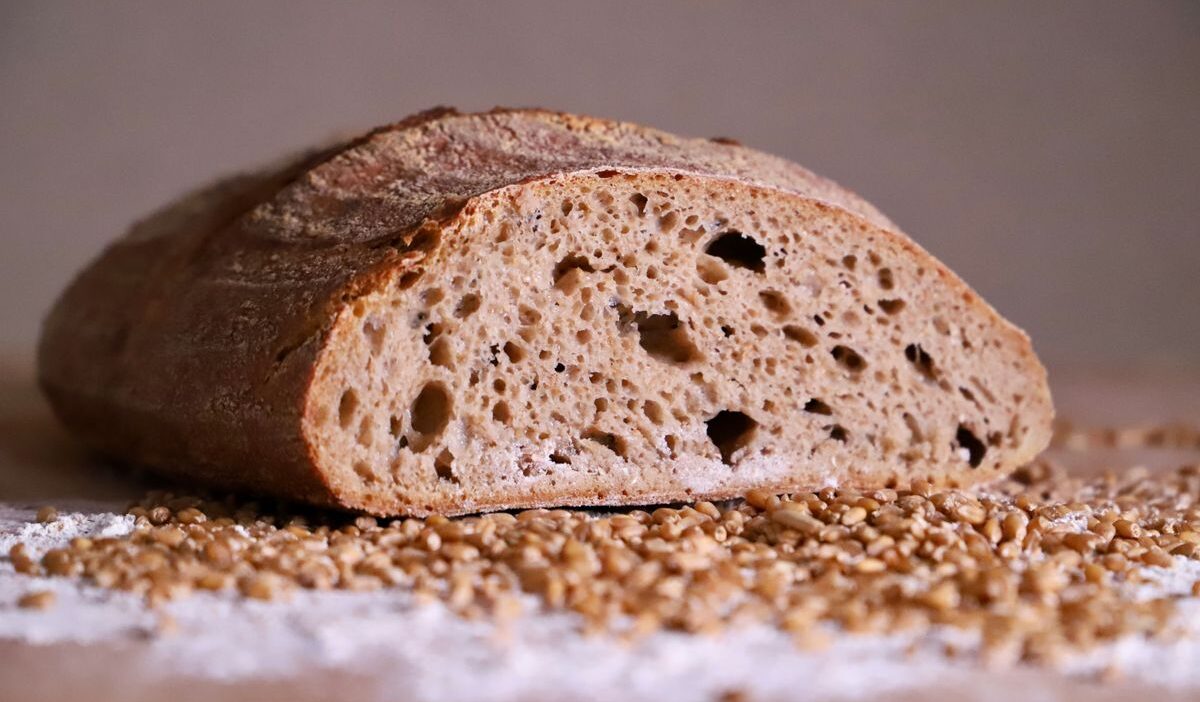
Sourdough has a reputation for being easier to digest than ordinary bread, which often creates confusion about its gluten content. Understanding is sourdough bread gluten free requires separating the effects of fermentation from the actual gluten content of the finished loaf.
Traditional loaves typically contain wheat or rye and remain unsuitable for people who must strictly avoid gluten. However, genuinely gluten-free sourdough can be produced with the right starter, flour, and preparation methods. This guide explains the differences, safety considerations, labeling rules, and reliable alternatives available to gluten-free shoppers.
1. Is Sourdough Bread Gluten Free?
No. Traditional sourdough bread is not gluten-free because it is usually made with wheat, rye, or barley flour, which contain gluten. The sourdough starter is also commonly made with gluten-containing flour.
The fermentation process used to make sourdough can break down some gluten proteins, which may make the bread easier for some people to digest. However, fermentation does not remove enough gluten to make regular sourdough safe for people who need to follow a strict gluten-free diet.
A sourdough bread labeled gluten-free must be made with gluten-free flour and starter, while also avoiding cross-contact during production. Under FDA gluten-free labeling rules, foods with a “gluten-free” claim must contain fewer than 20 parts per million of gluten.
People with celiac disease or gluten-related medical conditions should only choose sourdough products that are specifically verified as gluten-free.
2. Why Does Regular Sourdough Bread Still Contain Gluten?
For anyone wondering is sourdough bread gluten free, examining the starter and flour provides the clearest answer because fermentation cannot fully remove gluten from conventional dough.
- The starter usually contains wheat or rye
A traditional starter is maintained by repeatedly feeding flour and water to naturally occurring yeast and bacteria. When that flour contains gluten, the starter does too.
- Fermentation breaks down only some gluten
A long fermentation may partially degrade gluten proteins. However, fermentation time, microorganisms, temperature, and flour type vary considerably between recipes.
- Baking does not eliminate gluten
Heat changes the structure of gluten as bread bakes, but it does not reliably remove the protein or turn wheat bread into a gluten-free product.
Consequently, neither a long rise nor an artisanal production method provides sufficient proof that a loaf is safe for someone who must avoid gluten completely.
3. Can People with Celiac Disease Eat Sourdough Bread?
No. People with celiac disease should avoid traditional sourdough bread because it is usually made with wheat, rye, or other gluten-containing ingredients. Although fermentation can break down some gluten proteins, it does not remove enough gluten to make regular sourdough safe for a gluten-free diet.
For people with celiac disease, the answer to is sourdough bread gluten free depends on how the bread is made. Only sourdough made with gluten-free flour and starter, and produced to prevent gluten cross-contact, should be considered suitable.
The National Institute of Diabetes and Digestive and Kidney Diseases states that people with celiac disease need to follow a lifelong gluten-free diet.
- What About Gluten Sensitivity or Gluten Intolerance?
Some people with non-celiac gluten sensitivity may find long-fermented sourdough easier to tolerate. However, easier digestion does not mean the bread is gluten-free, and individual reactions can vary.
- What About a Wheat Allergy?
A wheat allergy is different from celiac disease. People with a wheat allergy should check ingredient labels and allergen information carefully, as gluten-free labeling does not automatically address all wheat-related allergy concerns.
>>> Read More: How Long Does Cooked Bacon Last in the Fridge? 4 Warning Signs
4. Can Sourdough Bread Be Made Gluten Free?
Yes. Sourdough bread can be made gluten free, but it must use gluten-free ingredients and be prepared in a way that prevents gluten cross-contact. The answer to is sourdough bread gluten free depends mainly on the flour and starter used.
Gluten-free sourdough requires a starter made from gluten-free flour instead of traditional wheat or rye flour. The dough may use alternatives such as rice, sorghum, millet, teff, buckwheat, or certified gluten-free oat flour.
Using gluten-free flour with a regular wheat-based starter does not make the bread gluten-free. Packaged products should have a clear gluten-free label or certification.
Under FDA rules, foods labeled gluten-free must contain fewer than 20 parts per million of gluten.
5. Is Sourdough Bread Lower in Gluten Than Regular Bread?
Yes, some traditional sourdough bread may contain less intact gluten than regular wheat bread because its longer fermentation process can break down some gluten proteins.
However, this does not make traditional sourdough gluten-free or safe for people who need to avoid gluten.
| Bread type | Fermentation method | Typical gluten status |
| Regular wheat bread | Short fermentation with commercial yeast | Contains gluten |
| Traditional sourdough | Longer fermentation with a sourdough starter | May contain less intact gluten but still contains gluten |
| Certified gluten-free sourdough | Made with gluten-free flour and starter | Meets applicable gluten-free standards |
When asking is sourdough bread gluten free, fermentation alone is not enough to determine the answer. The amount of gluten left in sourdough can vary based on the flour, starter, fermentation process, and preparation methods.
Traditional sourdough should not be considered gluten-free unless it is specifically made with gluten-free ingredients and produced to prevent gluten cross-contact.
6. How to Tell Whether Sourdough Bread Is Gluten Free?
When checking is sourdough bread gluten free, do not rely on the word “sourdough” alone. Traditional sourdough is often made with gluten-containing flour, so check labels, ingredients, and preparation methods carefully.
- For packaged bread, look for a clear gluten-free label or certification and check for ingredients such as wheat, barley, rye, malt, or non-certified oats.
- For bakery sourdough, ask whether the starter and flour are gluten-free and whether the bread is prepared separately to prevent cross-contact.
People with celiac disease should also ask about shared equipment, ovens, utensils, and flour exposure before eating sourdough from a bakery or restaurant.
7. What Are the Best Gluten-Free Sourdough Alternatives?
The best gluten-free sourdough alternatives use a gluten-free starter and flour made without wheat, barley, or rye. Common options include:
- Brown rice flour
- Sorghum flour
- Millet flour
- Teff flour
- Quinoa flour
- Buckwheat flour
- Certified gluten-free oat flour
Buckwheat is naturally gluten free despite its name and is not related to wheat. Many gluten-free bakers combine different flours to create better flavor and texture, while binders such as psyllium husk can help provide structure similar to gluten.
To reduce cross-contact, use clean tools, separate storage containers, and dedicated preparation surfaces.
For people with celiac disease or a strict gluten-free requirement, certified gluten-free sourdough products made in controlled facilities may provide greater confidence.
8. FAQs
What Bread Has the Least Gluten?
Bread made with naturally gluten-free ingredients such as rice, sorghum, millet, buckwheat, or quinoa contains no gluten when produced correctly. Wheat-based breads vary in gluten content, and “low gluten” options are not considered safe for people with celiac disease.
Is Sourdough OK If You’re Gluten Intolerant?
Regular sourdough made with wheat contains gluten, so it may not be suitable for people with gluten intolerance. Some people may tolerate long-fermented sourdough better, but reactions vary. Gluten-free sourdough is the safer choice for strict gluten avoidance.
Is Sourdough Bread Inflammatory?
Sourdough bread is not automatically inflammatory for everyone. The effect depends on ingredients, individual health conditions, and dietary needs. For people with celiac disease, gluten exposure from regular sourdough can trigger an immune response, regardless of fermentation.
Is There a Sourdough That Is Gluten Free?
Yes. Gluten-free sourdough is made with a gluten-free starter and flours such as brown rice, sorghum, millet, buckwheat, or teff. Look for products labeled gluten free and prepared to avoid cross-contact, especially for celiac disease.
Conclusion
The answer to is sourdough bread gluten free depends on its ingredients and production process. Traditional wheat or rye sourdough still contains gluten, even after long fermentation.
Only bread made with a gluten-free starter, appropriate flour, and careful cross-contact controls should be treated as gluten-free. Checking labels and asking detailed bakery questions can help shoppers choose a loaf that fits their dietary needs.