
A recipe calls for cornstarch, but the package may not provide an obvious answer for someone avoiding gluten. Asking is cornstarch gluten free becomes even more important when celiac disease makes ingredients and factory handling a concern.
The name, starch source, added ingredients, and possible cross-contact all deserve attention. This article explains what to examine before using cornstarch in sauces, baked goods, and other recipes.
1. Is Cornstarch Gluten Free?
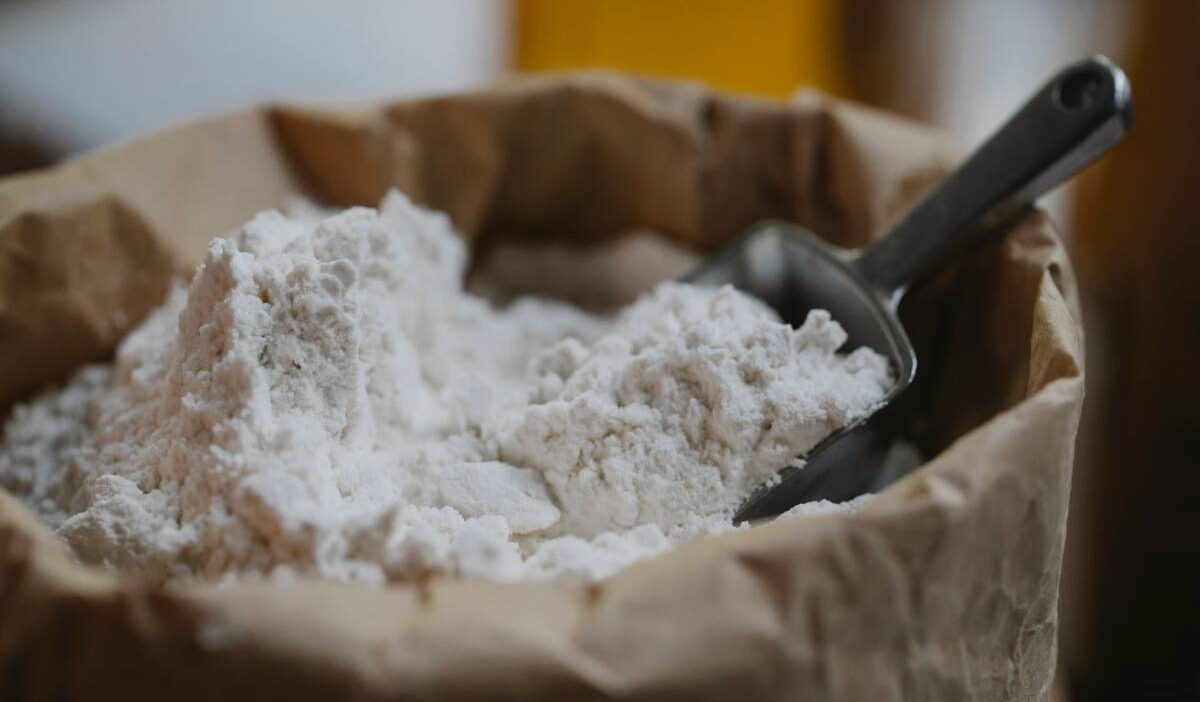
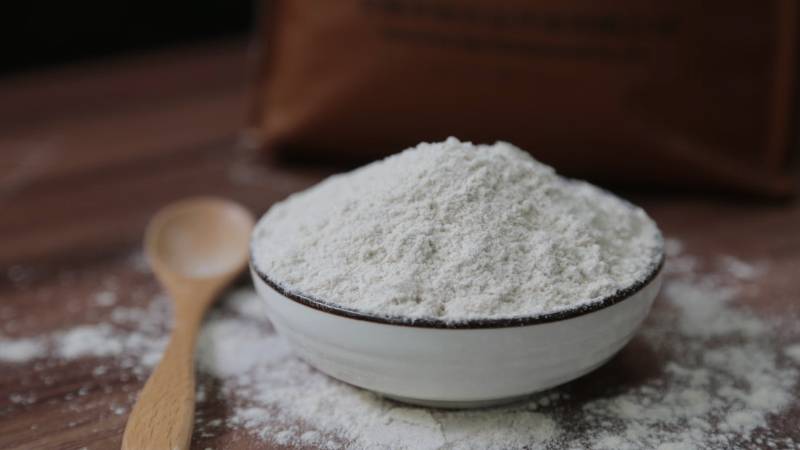
Yes, cornstarch is naturally gluten-free. It is made from the starchy part of corn, not from wheat, barley, or rye, which are the main grains that contain gluten.
Plain cornstarch usually contains only corn starch and is considered safe for most people following a gluten-free diet, including many people with celiac disease.
However, cross-contact can happen during processing, packaging, or storage if a facility also handles wheat products. If you have celiac disease, choose products with clear gluten-free labeling when possible.
It is also important not to confuse cornstarch with corn flour or cornmeal. Although all come from corn, they have different textures and uses. Cornstarch is commonly used to thicken sauces, soups, and desserts, while corn flour and cornmeal are made from more finely or coarsely ground corn and are often used in baking or cooking.
2. Cornstarch vs. Wheat Starch: What’s the Difference?
Although both products work as starches, they come from different crops and require different label checks.
| Feature | Cornstarch | Wheat Starch |
| Source | The starchy portion of corn | The starch extracted from wheat |
| Gluten status | Naturally free from gluten | May contain gluten unless specially processed |
| Common uses | Thickening sauces, gravies, soups, and dessert fillings | Baking, processed foods, and texture modification |
| What to check on labels | Cross-contact warnings or a gluten-free claim when needed | A clear gluten-free label and wheat allergen information |
Wheat starch can appear in a food labeled gluten-free only when it has been processed to remove gluten, and the finished product meets the FDA limit of less than 20 parts per million. It still comes from wheat, so people with a wheat allergy may need separate medical guidance.
3. Is Cornstarch Safe for People With Celiac Disease?
Is cornstarch gluten free for people with celiac disease? In most cases, yes. Plain cornstarch is naturally gluten-free because it comes from corn, which does not contain gluten.
However, people with celiac disease should still check labels because cross-contact during processing or added ingredients may affect whether a product is safe.
For stricter dietary needs, choose a package that:
- Lists cornstarch or corn starch as the only ingredient.
- Carries a gluten-free statement from the manufacturer.
- Does not include a warning about processing alongside wheat when cross-contact is a concern.
- Has not been taken from an unlabeled bulk container.
- Has not been used with utensils that also touched wheat flour.
Under FDA rules, a packaged food displaying a gluten-free claim must contain less than 20 parts per million of gluten, including any unavoidable amount introduced through cross-contact.
A gluten-free label may be particularly helpful for frequent baking because loose wheat flour can spread easily across work surfaces and equipment.
At home, store cornstarch away from regular flour and use a clean measuring spoon instead of dipping in one that has touched gluten-containing ingredients.
>>> Read more: Is Popcorn Gluten Free? 5 Types and Hidden Gluten Risks
4. When Can Cornstarch Products Contain Gluten?
Although is cornstarch gluten free is usually answered with a yes, not every cornstarch-based product is automatically safe. The risk often comes from added ingredients, processing methods, or cross-contact rather than the cornstarch itself.
- Shared manufacturing equipment: Cornstarch can come into contact with wheat during production, packaging, or storage.
- Blended starch products: A package labeled simply as “starch” or “modified starch” may contain ingredients from more than one source. Read the complete label instead of assuming it is made only from corn.
- Pre-made baking mixes: Cake, cookie, pudding, and bread mixes may combine cornstarch with wheat flour, malt, or other gluten-containing ingredients.
- Sauces and gravies: Cornstarch may be used as the thickener, but soy sauce, wheat flour, broth, seasoning, or another ingredient can introduce gluten.
- Unclear starch sources: The term “starch” may be interpreted differently depending on the product and country. Contact the manufacturer when the source cannot be confirmed from the packaging.
5. How to Choose Gluten-Free Cornstarch
While is cornstarch gluten free is usually answered with a yes for plain cornstarch, not every product is processed the same way.
Learning how to choose gluten-free cornstarch can help you avoid products with added ingredients or possible cross-contact.
- Select a package that lists corn starch or cornstarch as the sole ingredient.
- Look for a clear gluten-free statement when celiac disease makes cross-contact a concern.
- Check whether the manufacturer mentions dedicated facilities or product testing.
- Avoid open bulk bins because scoops and containers may be shared with flour.
- Recheck the label when buying a familiar brand, since recipes and production practices can change.
- Keep the package sealed and separate from wheat flour after bringing it home.
In the United States, products carrying a gluten-free claim must contain less than 20 parts per million of gluten under the FDA’s gluten-free labeling requirements
6. What Can You Use Cornstarch for in Gluten-Free Cooking?
Cornstarch can change thickness, texture, and crispness without relying on regular flour. Common uses include:
- Thickening soups, gravies, stir-fry sauces, and pie fillings.
- Making custards, puddings, and fruit sauces.
- Giving cookies and cakes a softer or lighter texture.
- Coating chicken, tofu, vegetables, or seafood before frying.
- Preventing shredded cheese or powdered sugar from clumping.
- Creating a slurry with cold water before thickening a hot liquid.
- Combining it with rice flour, tapioca starch, or another gluten-free flour in baking.
Cornstarch has stronger thickening power than wheat flour, so the same quantity may make a sauce too dense. Add a small amount first and adjust the consistency gradually.
>>> Other helpful blog: Is Couscous Gluten Free? 6 Best Alternatives to Try
7. FAQs
Is cornstarch okay for celiacs?
Yes, pure cornstarch is generally suitable for people with celiac disease. A labeled gluten-free product may be preferable when there is uncertainty about shared equipment or factory handling.
What brands of cornstarch are gluten-free?
Bob’s Red Mill currently states that its cornstarch is made and packaged in a dedicated gluten-free facility and tested in batches. Other brands may also offer gluten-free cornstarch, but verify the current package or manufacturer’s website rather than relying on an older brand list.
What organ is most affected by celiac disease?
Celiac disease primarily damages the small intestine. The immune reaction harms the villi that help the body absorb nutrients.
Which country eats the least gluten?
There is no widely accepted global ranking that measures total gluten consumption by country. Researchers may track wheat supply or cereal intake, but those figures do not capture every source of gluten or show exactly how much individuals consume.
8. Conclusion
The answer to is cornstarch gluten free is generally yes when the package contains pure cornstarch and avoids unsafe cross-contact.
Greater caution is needed with starch blends, baking mixes, prepared sauces, and products with unclear labeling. Check the current package before use, especially when cooking for someone with celiac disease.