


Fresh blueberries can last up to two weeks in the refrigerator when stored properly. However, how long do blueberries last in the fridge can vary because excess moisture, bruising, and poor airflow often cause earlier spoilage.
The right storage method keeps blueberries firm, sweet, and mold-free for longer. This guide covers recommended storage times, effective storage methods, and clear signs that the berries have gone bad.
1. How Long Do Blueberries Last in the Fridge?
Blueberries can last up to two weeks in the fridge, as stated by the USDA.
These timeframes represent estimates rather than guarantees. Therefore, you should inspect the berries before eating them, even when they remain within the recommended period.
| Storage method | Expected storage time | Important condition |
|---|---|---|
| On the counter | 1-2 days | Keep the berries away from sunlight and heat |
| In the fridge, unwashed | 7-14 days | Use a ventilated container and keep the berries dry |
| In the fridge, washed | 5-7 days | Dry the berries thoroughly before refrigeration |
| In the freezer | 8-12 months | Use an airtight freezer bag or container |
2. What Determines How Long Blueberries Stay Fresh?
Freshness, moisture, handling, and temperature affect how long do blueberries last in the fridge.
Freshness at the Time of Purchase
Firm, dry blueberries with an even blue color last longest. Their natural powdery coating, called bloom, protects the fruit and does not indicate mold.
Avoid containers with crushed berries, leaking juice, or wet patches.
Moisture and Airflow
Excess moisture promotes mold, while poor airflow traps condensation. Store unwashed blueberries in a ventilated container with a dry paper towel.
Bruising and Overcrowding
Pressure can split blueberry skins and release juice. Use a shallow container, handle the berries gently, and remove damaged fruit promptly.
Refrigerator Temperature and Placement
Keep blueberries at 40°F (4°C) or below, as recommended by the FDA’s produce storage guidance.
Store the container on a main shelf or in the crisper drawer rather than the refrigerator door, where temperatures fluctuate more often.
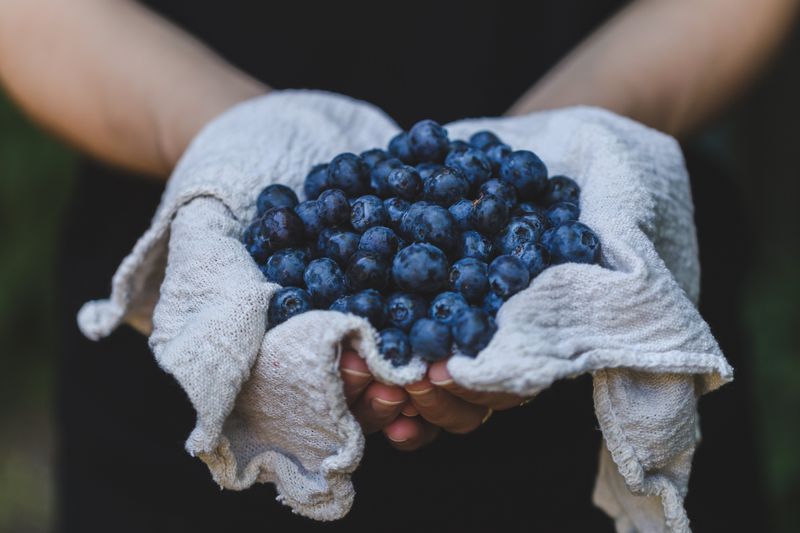
3. The Best Way to Store Fresh Blueberries
The best storage method keeps blueberries dry and protects them from bruising.
You should refrigerate berries for regular use, freeze them for long-term storage, or leave them at room temperature only when you plan to eat them soon.
Refrigerator
First, remove any crushed, leaking, or moldy berries. Damaged fruit releases moisture and can spread mold to the rest of the package.
Next, place the unwashed berries in a clean, ventilated container lined with a dry paper towel. The original package also works when it remains clean and allows airflow.
Avoid overcrowding the container, and keep its lid slightly open if it blocks ventilation.
Freezer
Freezing preserves blueberries that you cannot use while they remain fresh. You can later add the frozen berries to smoothies, oatmeal, sauces, or baked goods. Follow these steps:
- Rinse the berries under cool running water.
- Remove stems, leaves, and damaged fruit.
- Dry the berries thoroughly.
- Spread them in a single layer on a tray.
- Freeze them until solid.
- Transfer them to an airtight freezer container.
Frozen blueberries maintain their best quality for about eight to 12 months. Longer storage may reduce their flavor and texture.
Room Temperature
You can keep blueberries at room temperature for one or two days if you plan to eat them soon. Place the container in a cool, shaded area away from heat and sunlight.
Warm conditions accelerate softening and mold growth, so refrigeration provides better storage for longer periods. You should also refrigerate washed, cut, or crushed berries promptly.
4. How to Tell If Blueberries Have Gone Bad
Knowing the storage date can help you judge how long do blueberries last in the fridge, but the fruit’s condition also provides useful information.
You should discard blueberries that show any of these signs:
- Fuzzy white, green, or gray mold covers the berries.
- Leaking juice collects inside the package.
- The berries feel slimy or unusually wet.
- The skins have collapsed into a mushy texture.
- The fruit produces a fermented, sour, or rotten odor.
- Large brown areas appear across the berries.
One moldy berry does not always require you to discard the entire package. However, you should remove the moldy berry and any fruit that touched it before inspecting the remaining berries carefully.
Wrinkling usually indicates moisture loss rather than immediate spoilage. You can use dry, odor-free wrinkled berries in smoothies or cooked recipes when they show no mold or slime.
5. Tips to Make Blueberries Last Longer
Proper handling can extend how long do blueberries last in the fridge and prevent one damaged berry from affecting the entire package. You should follow these practical tips:
- Inspect the package immediately after purchase.
- Remove crushed or moldy berries promptly.
- Keep the fruit unwashed until serving.
- Use a shallow, ventilated container.
- Replace a damp paper towel immediately.
- Keep the container away from raw meat and seafood.
- Avoid overcrowding the berries.
- Freeze unused fruit before it becomes soft.
You should rinse blueberries under running water before eating them and avoid soap, detergent, and commercial produce washes because produce can absorb unwanted residues.
>>> Read more: How Long Does Asparagus Last in the Fridge and How to Keep It Crisp?
6. FAQs
What is the best container to store blueberries in the fridge?
Use a shallow, ventilated container lined with a dry paper towel. Replace the towel when it becomes damp.
Can you eat wrinkled blueberries?
Yes, if the berries remain dry, mold-free, and odorless. Discard slimy, moldy, or fermented-smelling berries.
Should you wash blueberries before storing them?
No. Wash blueberries just before eating because moisture can reduce the time blueberries last in the fridge. Dry washed berries completely before storing them.
Can you freeze blueberries before they spoil?
Yes. Freeze firm, fresh blueberries for later use, but discard any moldy or rotten berries.
7. Conclusion
Fresh, unwashed blueberries generally last seven to 14 days in a refrigerator kept at 40°F (4°C) or below. A ventilated container, dry paper towel, and careful handling can help the fruit reach the longer end of that range.
You should remove damaged berries promptly and wash the remaining fruit only before serving. So, how long do blueberries last in the fridge? Properly stored berries can remain fresh for up to two weeks, while washed or damaged fruit usually requires earlier use.