
An unopened refrigerator can usually keep food safely chilled for about four hours during a power outage, but that’s only a general rule.
The real answer to how long can food last in fridge without power depends on the refrigerator’s internal temperature, how often you open the door, and the type of food inside.
Read on to learn the ins and outs of keeping refrigerated food safe during a power outage.
1. How Long Can Food Last in Fridge Without Power?
So, how long can food last in fridge without power? A closed refrigerator generally keeps food at a safe temperature for up to four hours.
After four hours, you should move perishable food to a cooler with ice or discard it. However, food can remain safe for longer when a thermometer confirms that its temperature never exceeded 40°F (4°C).
FoodSafety.gov recommends discarding refrigerated meat, poultry, seafood, eggs, and leftovers after four hours without power.
2. What Determines Whether Refrigerated Food Is Still Safe?
Several factors affect how long can food last in fridge without power. The outage length offers a starting point, but the food’s actual temperature is the best guide.
Refrigerator Door Seals and Opening Frequency
A tight door seal helps keep cold air inside. A damaged or dirty gasket lets warm air enter, even when the door remains closed.
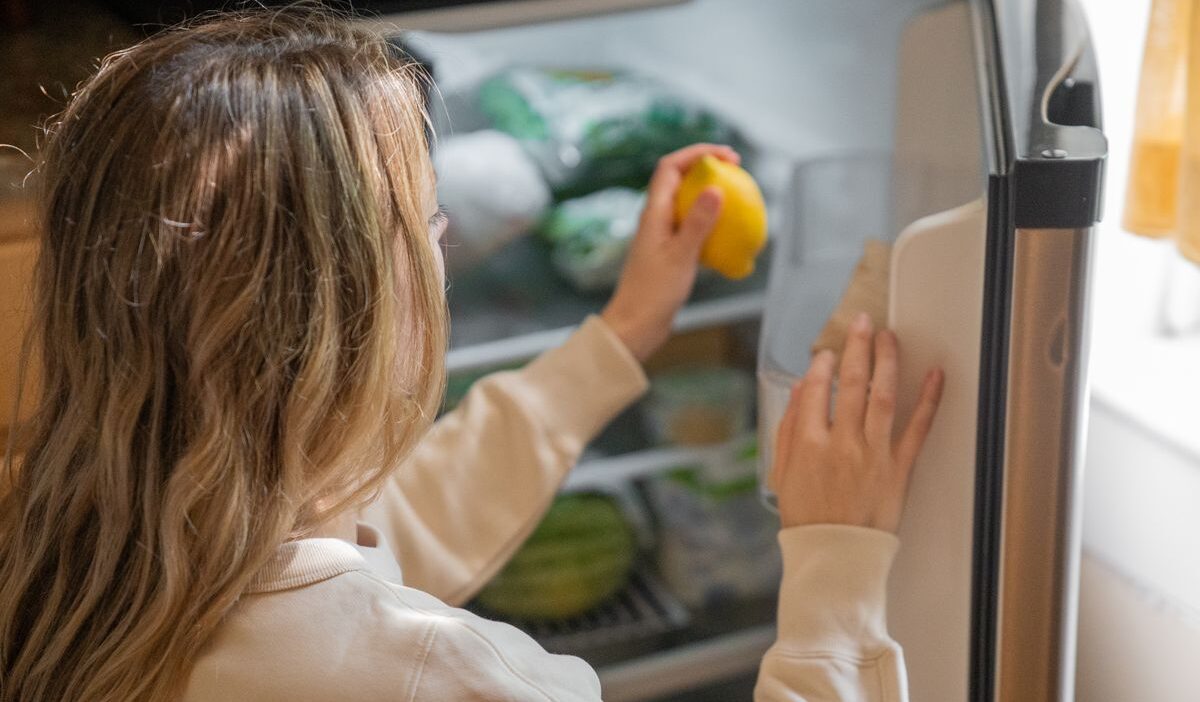
Every time you open the door, warm room air replaces cold air. Avoid opening the refrigerator unless necessary, and decide what you need before opening it.
Ambient Room Temperature and Appliance Fullness
A cool kitchen slows the refrigerator’s warming. Hot summer conditions speed it up.
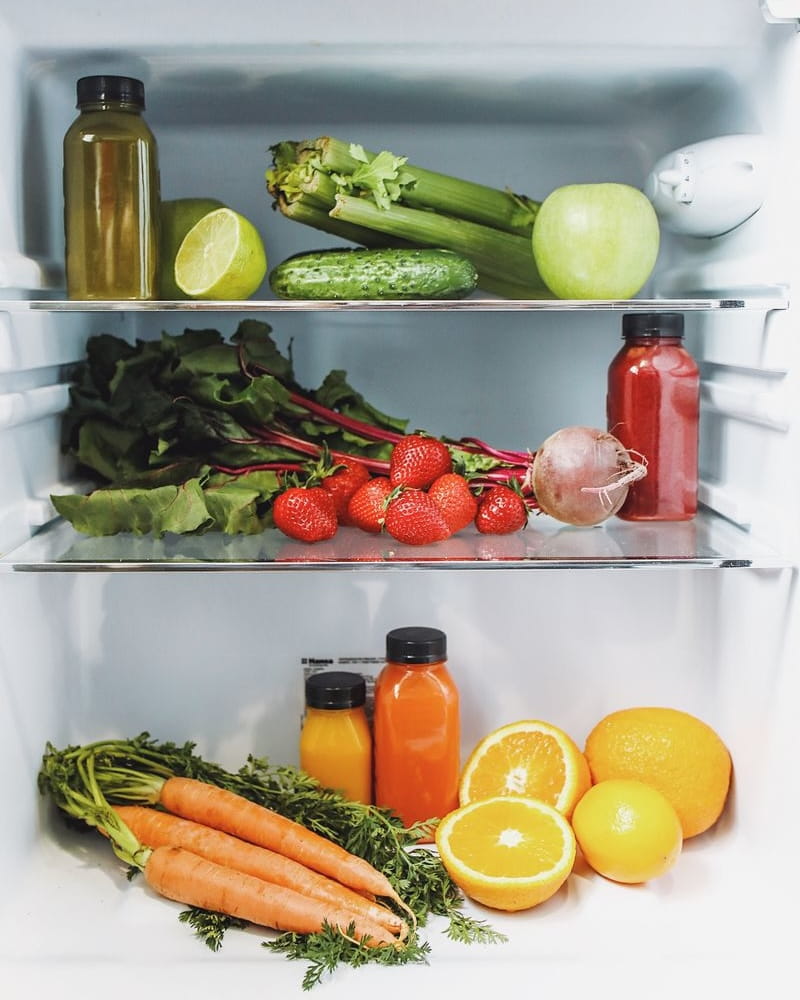
A moderately full refrigerator also stays cold longer because chilled food absorbs heat. However, overpacking can block airflow and create warm spots.
Before a predicted storm, fill empty spaces with containers of water. Leave enough room for cold air to circulate around the food.
3. What Food Should You Throw Away After a Power Outage?
The following table lists common perishable foods that should be discarded after four hours without power unless a food thermometer confirms they stayed at 40°F (4°C) or below.
Discard them sooner if they were above 40°F for more than two hours, or for more than one hour when the surrounding temperature was above 90°F (32°C).
| Food | Why it presents a risk |
|---|---|
| Raw or cooked meat and poultry | Bacteria can multiply rapidly in protein-rich food |
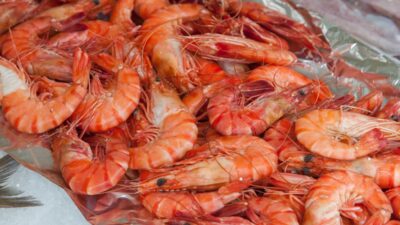
| Fish, shellfish, and seafood | Seafood deteriorates quickly when refrigeration fails |
| Milk, cream, yogurt, and soft cheese | These moist dairy products require continuous refrigeration |
| Eggs and egg-based dishes | Eggs and prepared egg dishes support bacterial growth |
| Cooked rice, pasta, and potatoes | Cooking adds moisture that allows bacteria to grow |
| Leftovers, casseroles, soups, and stews | Mixed dishes contain several perishable ingredients |
| Deli meat, hot dogs, and opened lunch meat | Ready-to-eat meats can support harmful bacteria |
| Cut fruit and vegetables | Cutting removes protective surfaces and introduces moisture |
| Cream-based sauces and opened mayonnaise mixtures | Added dairy, eggs, meat, or vegetables increase the risk |
| Refrigerated dough and cream-filled pastries | Dough and dairy-based fillings require refrigeration |
| Baby food and opened formula | Infants face a greater risk from contaminated food |
4. What Food Can You Usually Keep?
Some foods contain less moisture, more acid, or higher concentrations of salt or sugar. These characteristics make them less vulnerable during a short refrigerator outage.
The following items can usually remain safe after a typical refrigerator outage:
| Food | Important exception |
| Butter and margarine | You should discard them if contamination occurs |
| Hard and processed cheeses | You should discard shredded and low-fat cheeses after unsafe exposure |
| Uncut fresh fruit and vegetables | You should discard produce with mold, slime, or damage |
| Bread, tortillas, muffins, and plain cakes | You should discard products with custard or cream fillings |
| Peanut butter | You should follow the label for specialty products |
| Jelly, mustard, ketchup, pickles, and many acidic condiments | You should discard any product with mold or an unusual texture |
| Soy sauce, barbecue sauce, and Worcestershire sauce | You should follow stricter package instructions when provided |
| Unopened shelf-stable drinks | You should discard damaged, leaking, or swollen packages |
| Fresh herbs and spices | You should discard herbs that develop slime or mold |
These recommendations apply to food safety rather than perfect quality. Butter may soften, chocolate may bloom, and bread may become stale without becoming dangerous.
>>> Read more: Batana Oil for Hair: Uses, Benefits, Safety & What to Expect
5. Action Plan During and After a Power Outage
A clear plan can extend how long can food last in fridge without power and prevent unnecessary waste.
During the Outage
You should not place food outside during cold weather. Outdoor temperatures can fluctuate, while animals and dirty surfaces can contaminate packages. Here are things you should do during the outage:
- Note the time the power fails.
- Keep the refrigerator and freezer doors closed.
- Check the appliance thermometer only when necessary to avoid letting cold air escape.
- Move perishable food to an ice-filled cooler within four hours if the refrigerator temperature rises.
- Keep the cooler at 40°F (4°C) or below.
- Store raw meat in leakproof containers to prevent cross-contamination.
After the Power Returns
You should check the refrigerator thermometer immediately. Food can remain safe when the appliance still reads 40°F (4°C) or below.
If the temperature exceeds that level, you should estimate how long each perishable item remained warm. You should discard the item when you cannot verify a safe time or temperature.
You should also discard any food that contacted leaking meat juices, floodwater, or damaged packaging.
Finally, you should clean and sanitize contaminated refrigerator surfaces before restocking them.
6. FAQs
How long will milk last in a fridge without power?
Milk is generally safe for up to four hours in an unopened refrigerator. Discard it if it stayed above 40°F (4°C) for more than two hours.
How long do eggs last in a power outage?
Eggs are generally safe for up to four hours if the refrigerator stays closed. Discard them if they were above 40°F for more than two hours.
Is food safe after the refrigerator loses power for two hours?
Usually, yes, if the refrigerator stayed closed and at 40°F or below. Confirm the temperature with a thermometer when possible.
Can an unopened refrigerator stay cold for longer than four hours?
Possibly. Food volume, room temperature, and refrigerator efficiency affect how long it stays cold. Keep perishables only if a thermometer shows 40°F or below.
Is food safe if the power was out overnight?
Discard most refrigerated perishables after an overnight outage. Keep them only if reliable temperature records show they stayed at 40°F or below.
7. Conclusion
The practical answer to how long can food last in fridge without power is about four hours when the refrigerator remains closed. However, an appliance thermometer provides the best evidence because perishable food becomes unsafe after spending more than two hours above 40°F (4°C).
You should keep the door closed, move food to an ice-filled cooler when necessary, and never taste questionable items. When uncertain, you should discard the food because no meal justifies the risk of foodborne illness.