

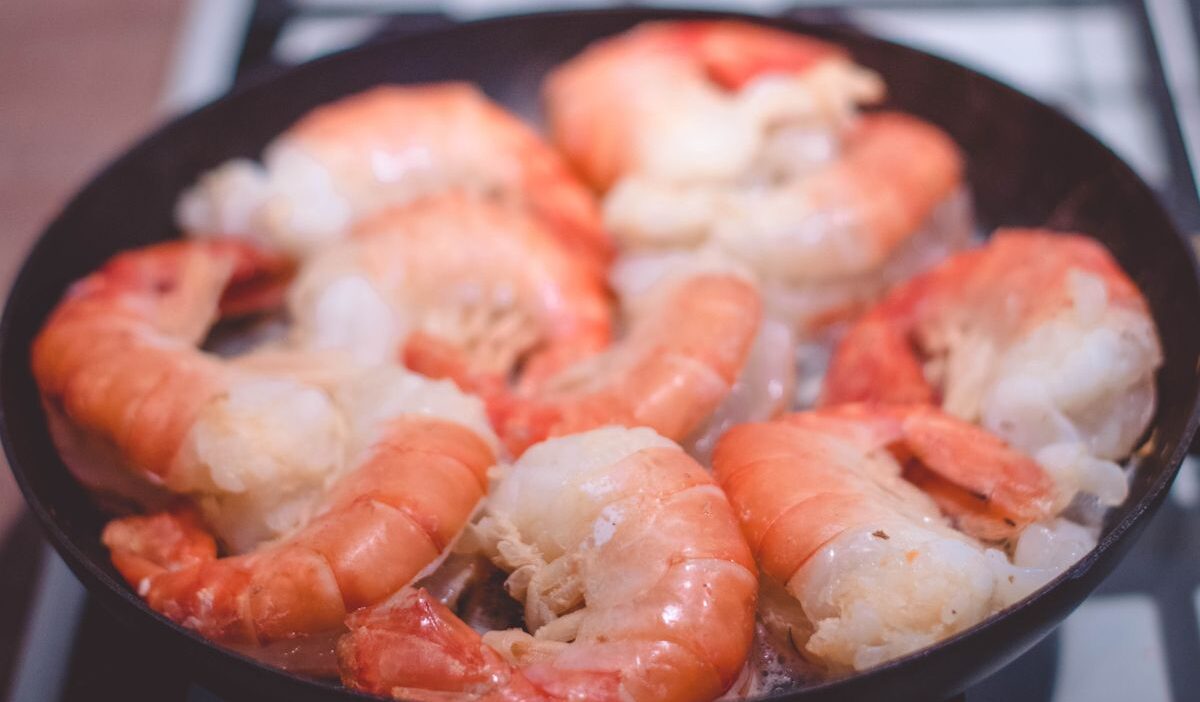
Cooked shrimp usually remains safe in the refrigerator for three to four days. However, the answer to how long does cooked shrimp last in fridge depends on proper cooling, handling, and storage.
Shrimp can spoil quickly when warm temperatures encourage bacterial growth. Therefore, you should refrigerate leftovers promptly and check their condition before eating them.
This guide explains safe storage periods, reliable spoilage signs, and effective reheating methods that help preserve the shrimp’s flavor and texture.
1. How Long Does Cooked Shrimp Last in Fridge?
The simple answer to how long does cooked shrimp last in fridge is three to four days. Your refrigerator must maintain a temperature of 40°F (4°C) or below throughout that period.
The storage clock begins after cooking, not after you place the shrimp in the refrigerator. Therefore, you should refrigerate cooked shrimp within two hours or within one hour when the surrounding temperature exceeds 90°F (32°C).
Federal food-safety guidance recommends placing leftovers in shallow containers and refrigerating them promptly. The USDA also advises consumers to reheat leftovers to 165°F before serving them.
Several factors can shorten the shrimp’s usable life:
- A warm refrigerator allows bacteria to multiply more quickly.
- An open container exposes the shrimp to contaminants and odors.
- Repeated handling transfers bacteria from hands or utensils.
- Long periods at room temperature make the shrimp unsafe.
- Sauces and other ingredients may introduce shorter storage limits.
2. How to Store Shrimp Safely in the Refrigerator
Proper storage protects shrimp from contamination, moisture loss, and temperature changes.
Storing Raw Shrimp
Store raw shrimp in its original sealed packaging or a leakproof container. Place it on the refrigerator’s lowest shelf to prevent leaks from reaching other food.
FoodSafety.gov recommends keeping seafood at 40°F (4°C) or below and using it within two days of purchase.
If you cannot cook it within that time, wrap it securely and freeze it. Follow these safety tips:
- Use a covered, leakproof container.
- Keep raw shrimp away from cooked and ready-to-eat food.
- Do not wash raw shrimp because splashing can spread bacteria.
- Freeze unused shrimp before its refrigerated storage period ends.
Raw shrimp may smell mildly like the sea. However, it should not have a strong fishy, sour, or ammonia-like odor. Discard shrimp with damaged packaging or questionable freshness.
Storing Cooked Shrimp
Place cooked shrimp in a shallow, airtight container so it cools evenly. Refrigerate it promptly instead of leaving it on the counter.
If you have a large amount, divide the shrimp into smaller portions before refrigerating it. To maximize how long does cooked shrimp last in fridge:
- Drain excess liquid before storing the shrimp.
- Use clean utensils when serving it.
- Store the container near the back of a refrigerator shelf.
- Avoid the refrigerator door because temperatures fluctuate there.
- Freeze portions that you cannot eat within four days.
You can store cooked shrimp with or without the shell. The shell may prevent drying, while peeled shrimp works better for salads, pasta, and other dishes.
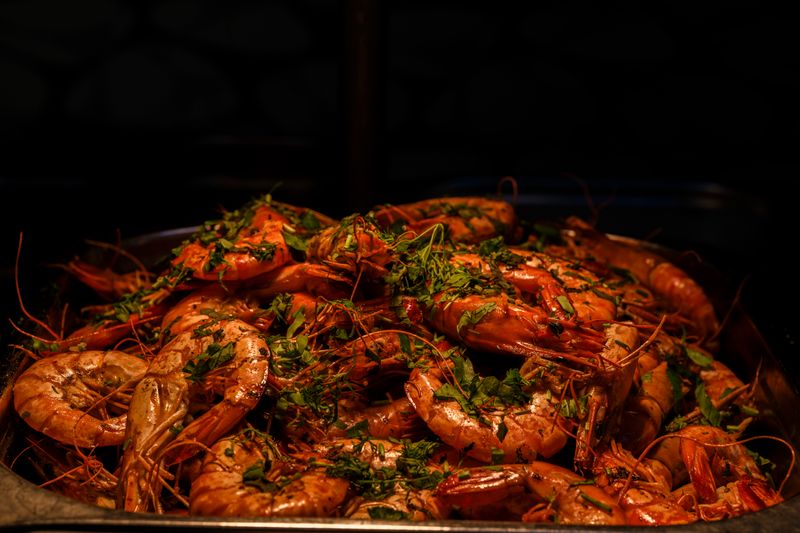
3. How to Tell if Cooked Shrimp Has Gone Bad
The three-to-four-day limit provides the most reliable answer to how long does cooked shrimp last in fridge. Nevertheless, poor handling can cause spoilage before that period ends.
Spoiled shrimp often develops noticeable changes in its smell, texture, or appearance. You should discard the entire portion if you notice any of these warning signs:
- The shrimp produces a sour, rancid, or ammonia-like smell.
- The surface develops a slimy or unusually sticky coating.
- The flesh becomes excessively soft, mushy, or dry.
- The shrimp develops mold or unusual discoloration.
- The storage container becomes swollen or leaks liquid.
Cooked shrimp naturally varies in color, so a minor color difference does not always indicate spoilage. However, dark spots, mold, or significant changes combined with an unpleasant odor provide clear reasons for disposal.
You should never taste questionable shrimp to test its safety. Harmful bacteria may not produce visible changes, and a small bite can still expose you to foodborne illness.
Cooking or reheating cannot always rescue improperly stored shrimp. Heat may kill many bacteria, but it may not remove every toxin that bacteria have already produced.
4. Best Ways to Thaw and Reheat Frozen Shrimp
Thawing
Freezing pauses the storage clock and preserves shrimp that you cannot use within four days. However, freezing does not improve shrimp that has already started to spoil.
The safest thawing method involves placing frozen shrimp in the refrigerator overnight. You should keep the shrimp inside a covered container so melting ice cannot drip onto other food.
The FDA identifies the refrigerator, cold water, and microwave as safe methods for thawing seafood. You should never thaw shrimp on the kitchen counter because room temperatures allow bacteria to multiply.
You can use these methods safely:
- Refrigerator: You should thaw the shrimp overnight in a covered container.
- Cold water: You should seal the shrimp in a bag and submerge it in cold water.
- Microwave: You should use the defrost setting and reheat the shrimp immediately.
Reheating
When reheating shrimp, you should use gentle heat because prolonged cooking creates a rubbery texture. A skillet with a small amount of oil or sauce usually warms shrimp evenly within a few minutes.
You can also reheat shrimp in a microwave under a vented cover. You should heat short intervals, stir the shrimp between intervals, and ensure that the leftovers reach 165°F (74°C).
You should reheat only the amount that you plan to eat. Repeated cooling and reheating can reduce quality while increasing opportunities for unsafe handling.
>>> Read more: Does Sam’s Club Take EBT? What to Know Before You Shop
5. FAQs
Can you eat cooked shrimp after 5 days?
No. Discard cooked shrimp after five days, even if it looks and smells normal. Refrigerated cooked shrimp is generally safe for only three to four days.
How long will pre-cooked shrimp last in the fridge?
Opened pre-cooked shrimp lasts three to four days in the refrigerator. Follow the package instructions for unopened shrimp, and discard any package with a broken or swollen seal.
How long does fried shrimp last?
Fried shrimp lasts three to four days when refrigerated within two hours of cooking. Store it in a shallow, airtight container and reheat it thoroughly in an oven, air fryer, or microwave.
How long does cooked shrimp pasta last?
Cooked shrimp pasta lasts three to four days in the refrigerator. Store it in a shallow, airtight container and reheat it to 165°F before serving.
Should cooked shrimp be stored with or without the shell?
Either option is safe. The shell may help retain moisture, but it does not change the three-to-four-day storage limit. Keep the shrimp in an airtight container at 40°F or below.
6. Conclusion
So, how long does cooked shrimp last in fridge? The answer is three to four days in the refrigerator when stored properly at 40°F (4°C) or below. Remember to refrigerate it within two hours of cooking in a shallow, airtight container, and freeze any portion you will not eat within that window.
Discard the shrimp immediately if it has an unknown storage history, a sour or ammonia-like odor, a slimy texture, or prolonged exposure to room temperature.