

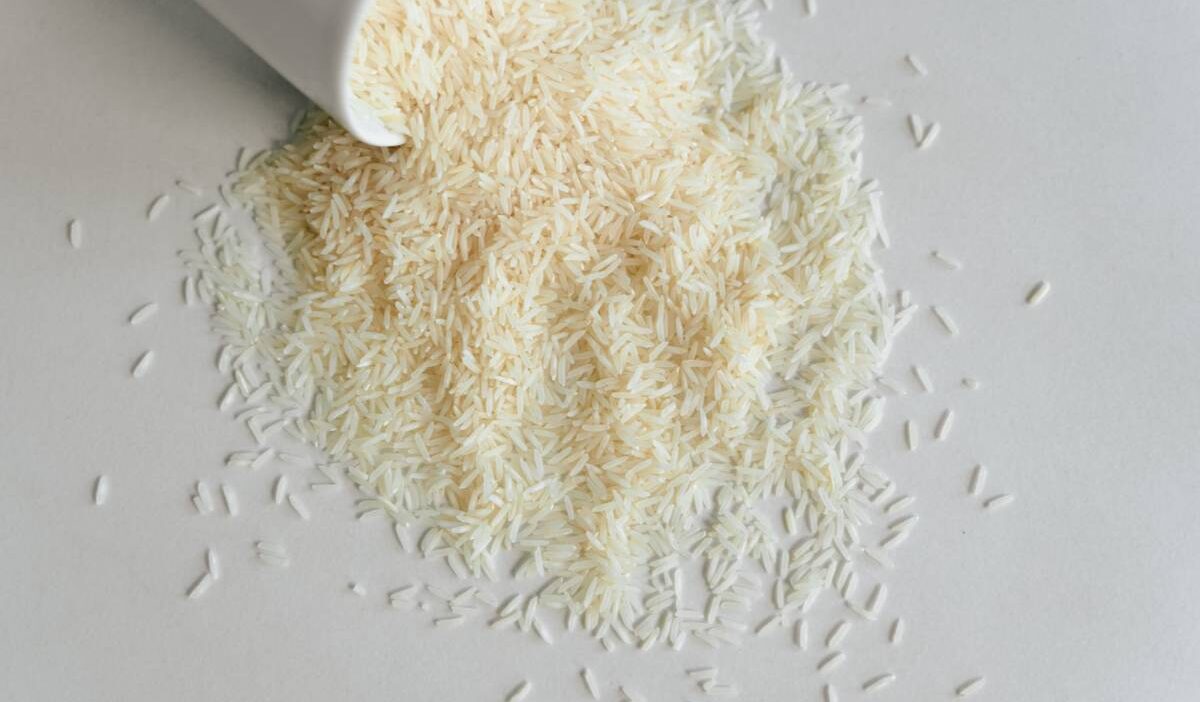
Basmati rice is a favorite in many kitchens, known for its delicate aroma, fluffy texture, and long grains. It works beautifully with curries, grilled vegetables, and everyday meals, but preparing it for someone with dietary restrictions may raise a few questions.
For those avoiding wheat, barley, or rye, is basmati rice gluten free, even when it comes in packaged mixes or restaurant dishes? The answer depends on more than the rice itself. Here’s what to know about different varieties, added ingredients, and safe preparation.
1. Is Basmati Rice Gluten Free?
Yes, plain basmati rice is naturally gluten-free. Like other varieties of rice, it does not contain the gluten proteins found in wheat, barley, or rye. This applies to both white and brown basmati rice, making them suitable for most gluten-free diets.
The Celiac Disease Foundation recognizes rice as a naturally gluten-free grain. However, there is an important distinction between plain rice and prepared rice products.
Although basmati itself contains no gluten, the finished dish may not always be gluten-free. Potential concerns include:
- Seasoned rice mixes: May contain wheat-based flavorings or other gluten-containing ingredients.
- Processing and packaging: Shared equipment can introduce gluten through cross-contact.
- Restaurant dishes: Broths, sauces, and added ingredients may change the dish’s gluten-free status.
For everyday cooking, plain basmati rice with a single-ingredient label is generally the simplest choice.
2. Which Types of Basmati Rice Are Gluten Free?
Now that you know the answer to is basmati rice gluten free, let’s explore how white, brown, and other basmati rice varieties compare and whether any require extra precautions.
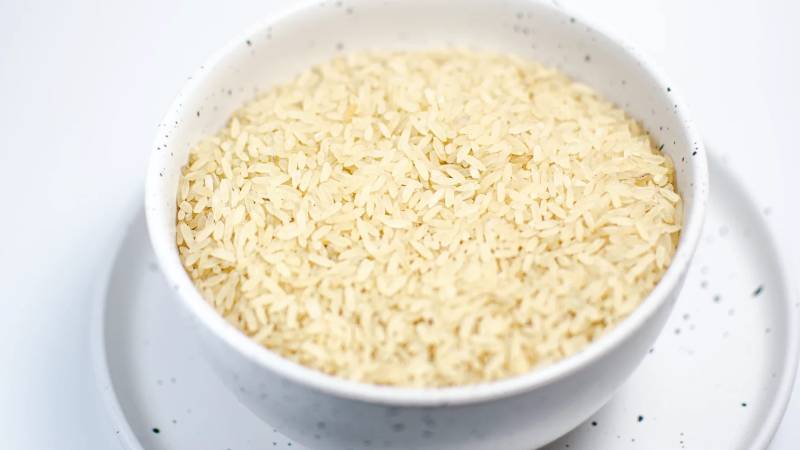
| Basmati Rice Type | Naturally Gluten Free? | What to Check |
| White basmati rice | Yes | Choose plain rice without added seasonings. |
| Brown basmati rice | Yes | Check for cross-contact during processing. |
| Organic basmati rice | Yes | Organic certification does not guarantee gluten-free handling. |
| Aged basmati rice | Yes | Aging does not introduce gluten, but packaging conditions matter. |
| Parboiled basmati rice | Yes | Plain parboiled rice is naturally gluten-free. |
| Instant basmati rice | Usually | Check for added flavorings or sauces. |
| Seasoned basmati rice mixes | Depends | May contain wheat, barley, malt, or gluten-containing sauces. |
| Ready-to-eat basmati rice | Depends | Review the complete ingredient list and manufacturing information. |
The key takeaway: The type of basmati rice rarely determines its gluten-free status. Added ingredients and potential cross-contact are usually more important.
3. When Can Basmati Rice Contain Gluten?
Plain basmati rice does not contain gluten, but that can change when manufacturers or restaurants add other ingredients. For someone asking is basmati rice gluten free, the most important consideration is how the rice reaches the plate.
Seasonings, Sauces, and Broth
Preseasoned rice products may contain wheat-based sauces, malt flavoring, or other gluten-containing ingredients. For example, regular soy sauce often contains wheat, while some prepared broths and seasoning blends use ingredients that require verification.
A rice dish can therefore contain gluten even when basmati is its main ingredient.
Cross-Contact During Processing
Rice may be processed or packaged in facilities that also handle wheat or other gluten-containing grains. Shared equipment can introduce small amounts of gluten into an otherwise naturally gluten-free product.
This matters particularly for people with celiac disease, who must avoid gluten exposure rather than simply limit their intake.
Restaurant Preparation
Restaurant basmati rice can contain unexpected additions, especially in pilafs, seasoned dishes, and combination meals.
Potential concerns include:
- Orzo or other wheat-based pasta mixed into rice.
- Broths and sauces containing gluten.
- Shared utensils, cooking equipment, or preparation surfaces.
Before ordering, ask whether the rice is prepared separately from gluten-containing ingredients.
>>> Read more: Is Popcorn Gluten Free? 5 Types and Hidden Gluten Risks
4. How to Choose and Prepare Gluten-Free Basmati Rice
Basmati rice is relatively easy to include in a gluten-free diet. A few checks during shopping and preparation can help keep the finished meal suitable for people avoiding gluten.
- Step 1: Choose Plain Basmati Rice
Start with a product containing only basmati rice. Single-ingredient varieties make it easier to identify potential concerns.
- Step 2: Check Gluten-Free Labeling
Look for products labeled gluten-free or independently certified when additional assurance is important.
Under FDA gluten-free labeling rules, regulated foods carrying a gluten-free claim must meet specific requirements, including containing less than 20 parts per million (ppm) of gluten.
- Step 3: Read Added Ingredients
For seasoned or ready-to-eat rice, check for wheat, barley, rye, malt, and sauces that may contain gluten.
- Step 4: Prevent Cross-Contact at Home
Use clean cookware, utensils, and preparation surfaces. Avoid shared storage containers or scoops that may have contacted wheat flour or other gluten-containing foods.
- Step 5: Check Restaurant Ingredients
Ask whether the rice contains orzo, wheat-based sauces, or questionable seasonings. Also confirm how it is prepared if cross-contact is a concern.
5. Is Basmati Rice Safe for People With Celiac Disease?
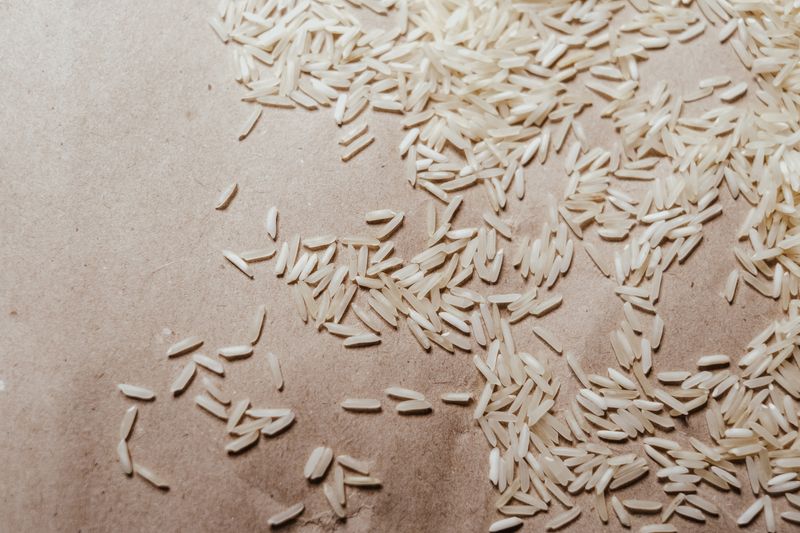
Yes, plain basmati rice is generally safe for people with celiac disease, provided it has not come into contact with gluten-containing ingredients during processing or preparation.
The question of is basmati rice gluten free becomes more important when choosing packaged products or eating outside the home, where ingredients and handling practices may be less obvious.
To reduce unnecessary gluten exposure, people with celiac disease should prioritize:
- Plain rice with a clearly stated ingredient list.
- Gluten-free labeling when additional assurance is needed.
- Clean cooking equipment and separate serving utensils.
- Restaurant dishes with verified ingredients and preparation methods.
Basmati rice can provide a useful source of carbohydrates in a gluten-free diet. For a more balanced meal, pair it with vegetables, legumes, eggs, fish, or other suitable protein sources.
>>> Read more: Is Couscous Gluten Free? 6 Best Alternatives to Try
6. FAQs
Which rice has the least gluten?
All plain rice varieties, including basmati, jasmine, brown, and white rice, naturally contain no gluten. Differences arise from added ingredients or cross-contact rather than the rice variety itself.
Are all basmati rices gluten-free?
Plain basmati rice is naturally gluten-free, but seasoned mixes and prepared products may contain gluten-containing additives. Always check the specific product.
Is basmati rice anti-inflammatory?
Basmati rice is not established as an anti-inflammatory food on its own. Brown basmati provides more fiber than white basmati, but its overall health effects depend on the broader diet.
What is the best gluten-free rice?
Basmati, jasmine, brown, and wild rice are all suitable gluten-free choices when prepared without gluten-containing ingredients. The best option depends on your preferred flavor, texture, and nutritional needs.
7. Conclusion
Basmati rice is a versatile, naturally gluten-free grain that works well in everything from simple side dishes to flavorful main courses. Both white and brown varieties can fit comfortably into a gluten-free diet when properly prepared.
While the answer to is basmati rice gluten free is straightforward for plain rice, seasoned mixes and restaurant dishes deserve extra attention. Checking ingredients, choosing clearly labeled products, and preventing cross-contact can help you enjoy basmati rice with confidence.