
Craving crispy falafel but unsure whether it fits your gluten-free diet? Is falafel gluten free, or could hidden ingredients make it unsafe? Traditional falafel is usually made with naturally gluten-free chickpeas or fava beans, but some recipes include wheat flour or other additives.
Here’s what to check in the ingredients, restaurant preparation, and packaged products before enjoying your next bite.
1. Is Falafel Gluten Free?
Yes, traditional falafel is generally gluten-free because it’s made from chickpeas or fava beans, herbs, onions, garlic, and spices, which do not naturally contain gluten.
However, not all falafel is gluten-free. Some recipes include wheat flour or breadcrumbs as binders, while restaurant preparation may introduce gluten through shared fryers or cooking equipment.
Additionally, falafel served with regular pita bread or certain sauces may contain gluten, even if the falafel itself is suitable.
For people with celiac disease, checking ingredients and potential cross-contact is essential, especially when ordering at restaurants or buying packaged falafel.
2. What Is Falafel Made Of?
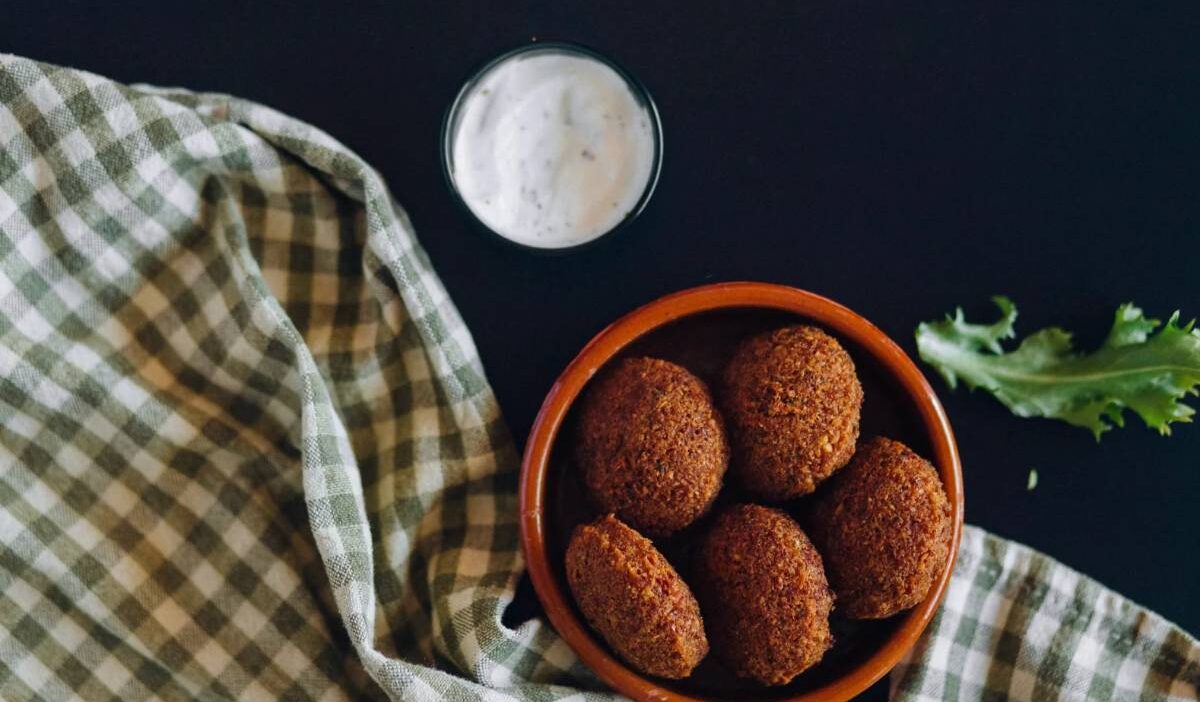
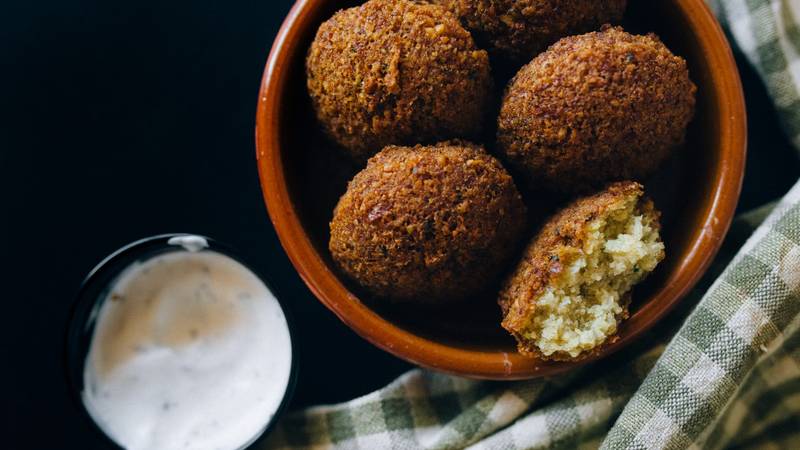
Traditional falafel is a Middle Eastern dish made from ground legumes, herbs, and seasonings. The mixture is shaped into balls or patties and usually fried until crispy.
Common ingredients include:
- Chickpeas or fava beans: Form the base and provide protein, fiber, and texture.
- Parsley and cilantro: Add freshness, color, and an herbal flavor.
- Onion and garlic: Provide a savory foundation.
- Cumin and coriander: Give falafel its characteristic warm, earthy flavor.
- Salt and other spices: Enhance the overall taste.
- Baking powder: Sometimes added to create a lighter texture.
These ingredients are naturally gluten-free when used without gluten-containing additives or contamination.
However, recipes vary by region and restaurant. Some use additional ingredients to improve binding or texture, making it important to check the complete recipe.
3. When Can Falafel Contain Gluten?
Although traditional ingredients are naturally gluten-free, preparation methods can change the final result.
When evaluating a particular recipe, the question is falafel gluten free becomes especially important if additional binders are used or the food is prepared alongside wheat-containing dishes.
Wheat Flour or Breadcrumbs in the Mixture
Some recipes use flour or breadcrumbs to prevent falafel from falling apart during cooking.
Potential gluten-containing additions include:
- Wheat flour: Used to thicken or bind the mixture.
- Regular breadcrumbs: Sometimes added for texture.
- Semolina: A wheat-based ingredient that contains gluten.
- Seasoning blends: May contain gluten-containing additives.
Gluten-free alternatives include chickpea flour, rice flour, or a suitable gluten-free flour blend.
Shared Frying Oil and Cooking Equipment
Even a gluten-free mixture can become contaminated when cooked alongside foods containing gluten.
Common sources of cross-contact include:
- Fryers shared with breaded chicken or onion rings.
- Utensils previously used for wheat-containing foods.
- Preparation surfaces with leftover flour or breadcrumbs.
- Containers storing both gluten-free and regular ingredients.
The Celiac Disease Foundation identifies frying oil shared with breaded foods as a potential gluten cross-contact source. This is particularly important for people with celiac disease.
>>> Read more: Is Popcorn Gluten Free? 5 Types and Hidden Gluten Risks
4. Is Restaurant and Store-Bought Falafel Gluten Free?
Is falafel gluten free when ordered at a restaurant or purchased from a grocery store? Not always. Ingredients, manufacturing practices, and shared cooking equipment can affect whether a product is suitable for a gluten-free diet.
Restaurant Falafel and Shared Fryers
Even when falafel contains no wheat, shared frying oil or cooking equipment may introduce gluten.
Before ordering, ask whether the falafel contains wheat flour or breadcrumbs, whether a dedicated gluten-free fryer is used, and whether separate utensils are available.
The Celiac Disease Foundation’s dining guidance recommends checking restaurant preparation practices when avoiding gluten.
Frozen and Packaged Falafel
Some packaged falafel products contain wheat flour, breadcrumbs, or gluten-containing seasonings.
Check ingredient lists, allergen statements, and gluten-free labeling before buying. For strict gluten avoidance, choose products with clear gluten-free claims or certification when available.
Remember that ingredients and formulations can change between brands and varieties.
5. How to Make Sure Your Falafel Is Gluten Free
Before choosing falafel, consider both what goes into the mixture and how the finished dish is handled.
If you’re checking is falafel gluten free for a particular restaurant or packaged product, these five steps can help you evaluate it.
- Step 1: Check the Ingredients
Review the recipe or ingredient label for wheat flour, regular breadcrumbs, semolina, malt ingredients, and other gluten-containing additives.
- Step 2: Look for Gluten-Free Labels
When buying packaged falafel, choose products with clear gluten-free labeling or independent certification when additional assurance is needed.
Under FDA gluten-free labeling rules, foods making this claim must meet specific requirements, including containing less than 20 parts per million (ppm) of gluten.
- Step 3: Ask About Cooking Methods
At restaurants, find out whether falafel is fried in oil shared with breaded or battered foods. A dedicated fryer helps reduce cross-contact risk.
- Step 4: Check the Entire Meal
Regular pita bread contains gluten. Verify that sauces, dressings, hummus, and toppings are suitable for your dietary needs.
- Step 5: Prevent Cross-Contact at Home
Use clean utensils, cutting boards, cookware, and preparation surfaces. Keep gluten-free ingredients separate from wheat flour and breadcrumbs.
6. How to Make Gluten-Free Falafel at Home
You can make gluten-free falafel at home using chickpeas, herbs, spices, and gluten-free ingredients. Follow these six simple steps:
- Gather Ingredients: Prepare dried chickpeas, parsley, garlic, onion, cumin, coriander, and salt.
- Make the Mixture: Soak chickpeas overnight, drain thoroughly, and pulse with the herbs and spices until finely chopped.
- Add a Binder if Needed: Use a small amount of gluten-free chickpea flour if the mixture doesn’t hold together.
- Shape the Falafel: Form evenly sized balls or patties for consistent cooking.
- Cook Safely: Fry in fresh oil using clean equipment, or bake until golden and cooked through. Avoid shared oil used for gluten-containing foods.
- Serve With Gluten-Free Sides: Pair with fresh vegetables, hummus, or gluten-free flatbread.
>>> Read more: Is Couscous Gluten Free? 6 Best Alternatives to Try
7. FAQs
Which country eats the least gluten?
There is no reliable global ranking identifying which country consumes the least gluten. If you’re researching is falafel gluten free across different cuisines, remember that individual recipes and preparation methods matter more than the country where a dish originates.
Does falafel contain flour?
Traditional falafel does not necessarily contain flour, but some recipes add wheat flour or breadcrumbs for binding. Chickpea flour is a common gluten-free alternative.
What are falafel balls made of?
Falafel balls are typically made from ground chickpeas or fava beans mixed with herbs, onions, garlic, and spices. The mixture is shaped into balls and usually fried until crispy.
8. Conclusion
The answer to is falafel gluten free depends on the recipe, added ingredients, and cooking environment. Traditional falafel is usually made from naturally gluten-free ingredients, but wheat-based binders and shared frying oil can introduce gluten.
For greater confidence, check packaged labels, ask restaurants about ingredients and preparation, and consider making falafel at home. With suitable ingredients and careful cooking practices, you can enjoy crispy, flavorful falafel as part of a gluten-free diet without unnecessary guesswork.