
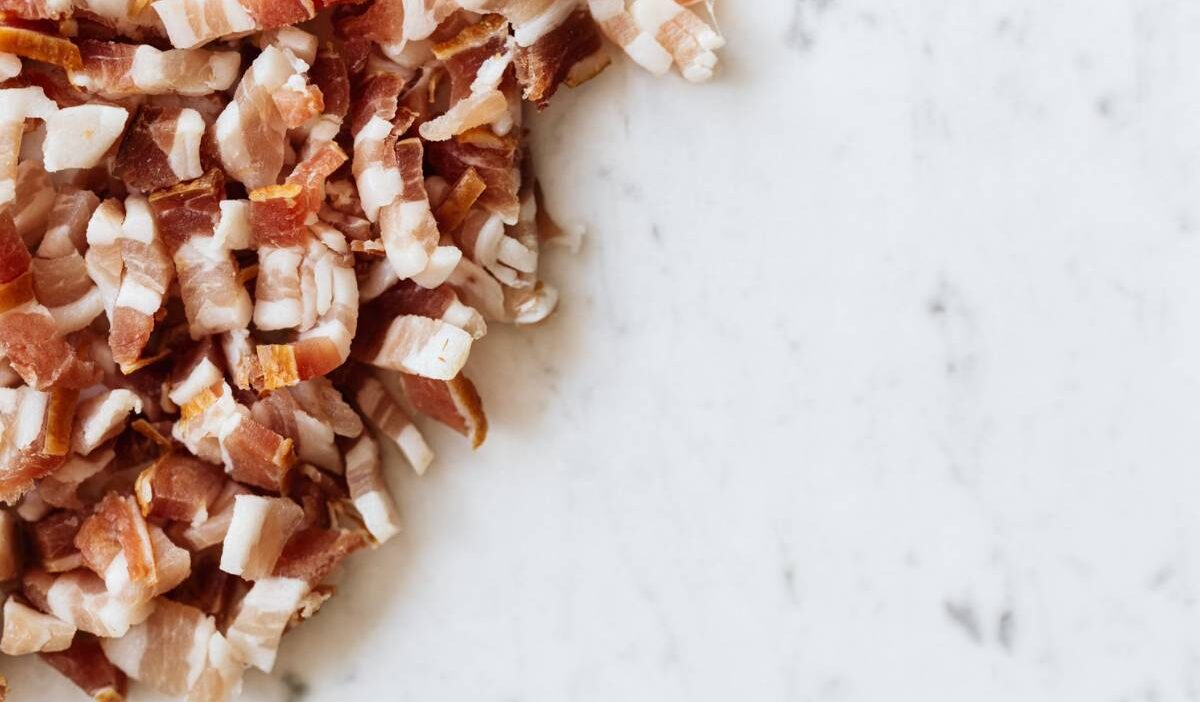
Bacon is a breakfast favorite, whether served with eggs, tucked into a sandwich, or crumbled over a salad. Since it’s made primarily from meat, it may seem like an easy choice for anyone avoiding gluten.
However, is bacon gluten free across all varieties, including smoked, flavored, and turkey bacon? The answer depends on more than the meat itself. Seasonings, marinades, processing methods, and preparation can all affect whether a product is suitable for a gluten-free diet.
1. Is Bacon Gluten Free?
Yes, plain bacon is generally gluten-free because pork does not naturally contain gluten. Traditional bacon is typically made from pork belly that has been cured with salt and other ingredients before being sliced and packaged.
However, bacon is a processed product, so the final ingredients matter.
Several factors can affect its gluten-free status:
- Plain meat: Fresh, unseasoned pork is naturally gluten-free.
- Curing ingredients: Salt, sugar, and common curing agents generally do not introduce gluten.
- Added flavors: Certain seasonings, marinades, and sauces may contain gluten-derived ingredients.
- Manufacturing practices: Shared equipment can create opportunities for gluten cross-contact.
- Preparation methods: Cooking bacon alongside gluten-containing foods may introduce contamination.
For most people avoiding gluten, plain bacon with a simple ingredient list is a reasonable option. Those with celiac disease should pay closer attention to product labeling and cross-contact.
2. Which Types of Bacon Are Gluten Free?
Now that you know the answer to is bacon gluten free, it’s worth exploring how different varieties compare. From traditional pork bacon to flavored alternatives, ingredients and processing methods can affect gluten-free status.
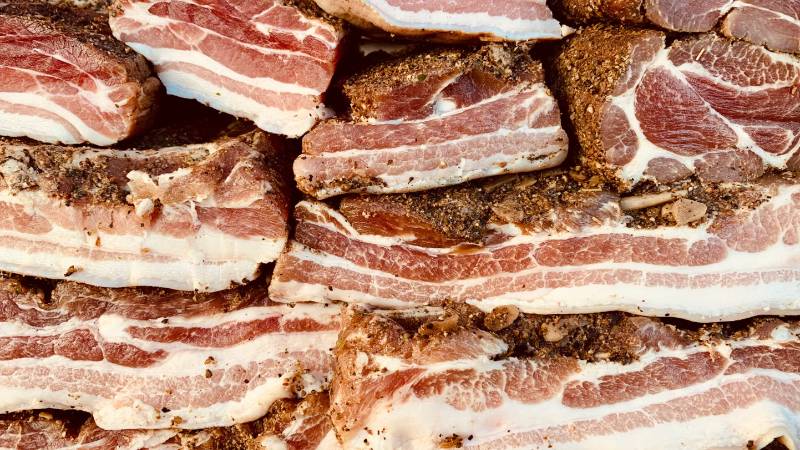
The table below compares common bacon types.
| Type of Bacon | Usually Gluten-Free? | What to Check |
| Plain pork bacon | Yes | Check curing ingredients and manufacturing information. |
| Smoked bacon | Usually | Review smoke flavorings and additional seasonings. |
| Uncured bacon | Usually | Uncured does not automatically mean gluten-free. |
| Turkey bacon | Often | Check binders, flavorings, and product labeling. |
| Canadian bacon | Often | Review curing ingredients and added flavors. |
| Maple-flavored bacon | Depends | Check maple-flavored coatings and marinades. |
| Peppered or seasoned bacon | Depends | Review spice blends and other added ingredients. |
| Bacon bits | Depends | Check fillers, flavorings, and whether the product contains real bacon. |
| Plant-based bacon | Not always | May contain wheat gluten, soy sauce, or other wheat-derived ingredients. |
The biggest distinction is between minimally seasoned meat and products containing additional ingredients.
For example, a simple smoked bacon product may be gluten-free, while plant-based bacon made with seitan contains wheat gluten.
The Celiac Disease Foundation’s guide to gluten sources identifies imitation bacon and other processed meat alternatives among products that may contain hidden gluten.
3. What Ingredients Can Make Bacon Contain Gluten?
Is bacon gluten free when manufacturers add seasonings or sauces? Not necessarily. Although pork itself contains no gluten, additional ingredients can change the product’s suitability.
Seasonings and Flavorings
Bacon often contains seasonings beyond salt and sugar. Most basic spices are naturally gluten-free, but some commercial blends may include other ingredients.
Pay attention to:
- Malt-based ingredients: Barley malt and malt flavoring can introduce gluten.
- Seasoning blends: Some mixes contain wheat-derived ingredients or added fillers.
- Smoke flavorings: Usually gluten-free, but additional ingredients should still be reviewed.
- Wheat-based binders: More relevant to restructured and certain alternative bacon products.
The presence of a flavoring does not automatically mean bacon contains gluten. Check the full ingredient list before making that assumption.
Sauces and Added Ingredients
Flavored bacon may be coated or marinated before packaging.
Common examples include:
- Maple-glazed bacon: May contain additional flavorings or thickeners.
- Barbecue bacon: Some barbecue sauces contain gluten-derived ingredients.
- Teriyaki bacon: Conventional soy sauce often contains wheat.
- Specialty bacon: Sweet, spicy, or savory coatings may use complex seasoning mixtures.
Products prepared at restaurants deserve similar attention. Bacon cooked on shared grills or handled with contaminated utensils may come into contact with gluten-containing foods.
>>> Read more: Is Buckwheat Gluten Free? The Answer May Surprise You
4. How to Choose Gluten-Free Bacon at the Store
Choosing bacon for a gluten-free diet does not need to be complicated, but checking the package is important.
Use this checklist when shopping:
- Look for a gluten-free label: Choose products that clearly identify themselves as gluten-free when possible.
- Read the full ingredient list: Check beyond the main meat ingredient.
- Check for gluten-containing grains: Look for wheat, barley, rye, malt, and their derivatives.
- Review added flavors: Pay particular attention to marinades, sauces, and seasoning blends.
- Look for independent certification: A recognized gluten-free certification can provide additional assurance.
- Contact the manufacturer: Ask about ingredients and cross-contact controls if the packaging is unclear.
Remember that a product without a gluten-free label is not automatically unsafe.
The FDA regulates voluntary gluten-free claims for foods under its jurisdiction. Products using those claims must meet established requirements, including containing less than 20 parts per million of gluten.
You can review these standards in the FDA’s gluten-free labeling guidance.
5. Is Bacon Safe for People With Celiac Disease?
Yes, people with celiac disease can eat bacon when the product is gluten-free and prepared without cross-contact.
The main concern is not the pork itself but what happens during processing and preparation.
Before eating bacon, consider these precautions:
- Choose suitable products: Look for clear gluten-free labeling or reliable manufacturer information.
- Check processed varieties: Turkey bacon, Canadian bacon, and bacon bits may contain additional ingredients.
- Use clean cooking equipment: Avoid pans, utensils, or cooking surfaces contaminated with gluten.
- Watch restaurant preparation: Ask whether bacon is cooked alongside breaded foods or handled with shared utensils.
- Check accompanying foods: Sauces, bread, pancakes, and other breakfast items may contain gluten.
For people with celiac disease, confirming is bacon gluten free involves both ingredient safety and how the food is handled.
A gluten-free product can still become unsuitable if it comes into contact with gluten during cooking or serving.
>>> Read More: How Long Do Grapes Last in the Fridge? Ultimate Storage Guide
6. FAQs
Can Celiacs Eat Bacon and Eggs?
Yes, plain bacon and eggs can be suitable for people with celiac disease when the bacon is gluten-free. Both foods should be prepared using clean cookware and utensils to avoid gluten cross-contact.
What Meats Have No Gluten?
Fresh, unseasoned beef, pork, chicken, turkey, and fish are naturally gluten-free. Breaded, marinated, or heavily processed meat products require additional label checks.
Which Brands of Bacon Are Gluten-Free?
Is bacon gluten free from brands such as Applegate and Butterball? Certain products, including Applegate Naturals Sunday Bacon and Butterball Lower Sodium Turkey Bacon, are identified as gluten-free by their manufacturers, but always verify the specific product label.
What Are 6 Foods Celiacs Should Avoid?
People with celiac disease should avoid conventional wheat bread, regular pasta, wheat-based cereals, standard crackers, foods containing barley malt, and breaded meats made with wheat flour. Gluten-free versions of these foods may be suitable when properly labeled and prepared.
7. Conclusion
Bacon can be part of a gluten-free diet because plain pork does not naturally contain gluten. However, flavored bacon, processed alternatives, and certain seasonings may introduce ingredients that require closer inspection.
When deciding is bacon gluten free for your next meal, start with the product label and consider how it will be prepared. For people with celiac disease, choosing clearly labeled gluten-free bacon and preventing cross-contact can make a meaningful difference. A few simple checks can help you enjoy bacon without unnecessary uncertainty.