

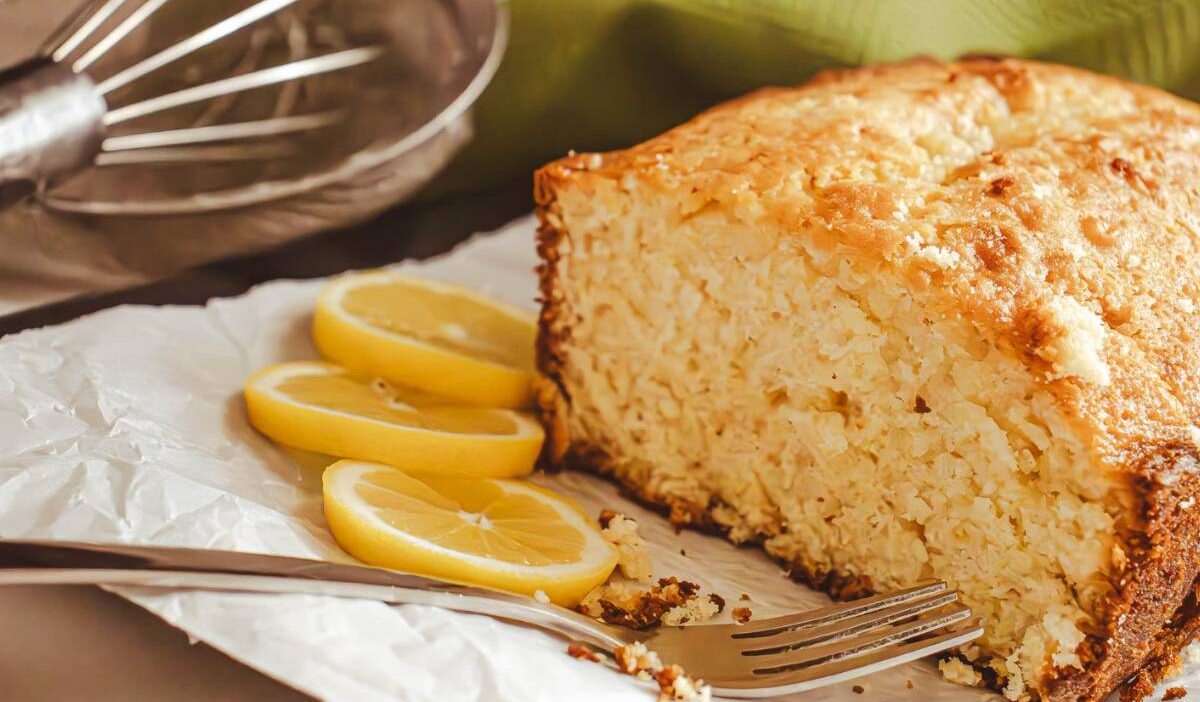
Is cornbread gluten free depends on more than the cornmeal used to make it. Recipes, packaged mixes, and restaurant versions can include additional ingredients that change whether the finished bread suits a gluten-free diet.
Before buying a mix or preparing a batch at home, it helps to check both the ingredient list and the way the product was handled. This article covers common gluten sources, label checks, celiac safety, and practical alternatives for making cornbread without gluten.
1. Is Cornbread Gluten Free?
Cornbread can be gluten-free, but traditional cornbread is not always gluten-free. Cornmeal is naturally gluten-free, but many recipes include wheat flour, which contains gluten.
Whether cornbread is gluten-free depends on its ingredients and preparation:
- Gluten-free: Made with gluten-free cornmeal and other gluten-free ingredients, without gluten cross-contact.
- Not gluten-free: Contains regular wheat flour, barley, rye, or other gluten-containing ingredients.
- Check before eating: Restaurant, bakery, or packaged cornbread with unknown ingredients or preparation methods.
For people with celiac disease, choosing certified gluten-free cornmeal and checking for cross-contact during preparation are especially important.
2. Why Does Some Cornbread Contain Gluten?
To understand is cornbread gluten free, it’s important to look beyond cornmeal. Many traditional recipes include wheat flour and other ingredients that introduce gluten.
Wheat Flour in Traditional Cornbread
Many cornbread recipes mix cornmeal with all-purpose wheat flour. The flour makes the bread less crumbly and gives it a softer, more cake-like structure, but it also introduces gluten.
The ratio varies considerably. Some Southern-style recipes use mostly or entirely cornmeal, while sweeter or cake-style versions often contain more wheat flour. A homemade appearance does not confirm that a recipe is gluten-free, so ask about the flour before eating it.
Gluten in Boxed Cornbread Mixes
A box labeled “cornbread mix” may still list wheat flour as a primary ingredient. Other possible sources include:
- Wheat starch
- Malted barley flour
- Baking blends containing wheat
- Flavoring or seasoning mixtures
- Ingredients processed on shared equipment
Do not rely on cornmeal appearing first on the package. Read the complete ingredient list and allergen statement, then look for a clear gluten-free claim.
Cross-Contact During Production
When determining is cornbread gluten free, cross-contact during production is another important factor. Cornmeal can come into contact with wheat during harvesting, transportation, milling, packaging, or baking. Shared mixers, storage bins, scoops, and production lines are common sources of cross-contact.
This risk also applies in kitchens. Gluten-free batter may come into contact with gluten through flour-covered counters, shared baking pans, wooden spoons, or knives previously used on wheat bread.
3. Is Gluten-Free Cornbread Safe for Celiac Disease?
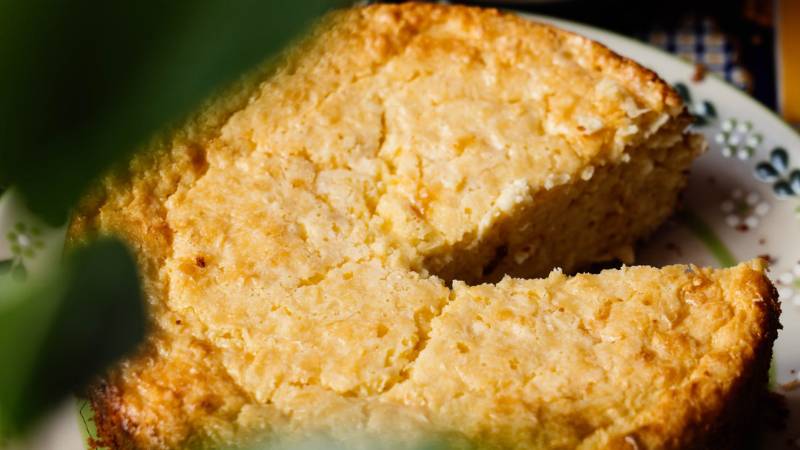
Yes, gluten-free cornbread can be safe for people with celiac disease if it contains gluten-free ingredients and is prepared without gluten cross-contact. However, even cornbread made without wheat flour may be unsafe if gluten is introduced during preparation.
To reduce the risk, consider these precautions:
- Check ingredient labels: Choose cornmeal and baking mixes labeled gluten-free.
- Prevent cross-contact: Use clean utensils, mixing bowls, baking pans, and preparation surfaces.
- Check shared ingredients: Make sure butter, spreads, and serving utensils have not touched gluten-containing bread.
- Ask before eating out: Confirm the ingredients and preparation methods used by restaurants or bakeries.
Under FDA gluten-free labeling requirements, foods labeled gluten-free must meet a standard of less than 20 parts per million (ppm) of gluten, along with other ingredient requirements.
If the ingredients or preparation practices cannot be verified, people with celiac disease should avoid the cornbread.
>>> Read more: Is Cornstarch Gluten Free? 7 Important Facts Before You Use It
4. How to Identify Gluten-Free Cornbread
If you’re wondering is cornbread gluten free, the packaging and ingredient list can provide important clues. Here’s what to look for when choosing a gluten-free option.
Check the Gluten-Free Label
Start with the front and back of the package. A “gluten-free” claim offers more useful information than descriptions such as “made with corn,” “wheat-free,” or “all-natural.”
Third-party certification may provide another level of verification, but certification is not mandatory for a product to meet FDA requirements. Because recipes can change, review the label every time you purchase a new package.
Review the Ingredient List
Check for wheat flour, barley, rye, malt, wheat starch, and flour blends with unclear ingredients. The “Contains” statement can quickly identify wheat, but barley and rye may only appear in the main ingredient list.
Cornmeal without a gluten-free claim also deserves caution when cross-contact is a serious concern. Contact the manufacturer if its processing information is unclear.
Ask About Restaurant Preparation
Before ordering restaurant cornbread, ask specific questions instead of requesting a general assurance. For example:
- Does the batter contain wheat flour?
- Is the cornmeal or mix labeled gluten-free?
- Is it baked in a shared pan?
- Are separate utensils and preparation surfaces used?
- Is it fried in oil shared with breaded foods?
If staff cannot verify the recipe, choose another side rather than relying on the word “corn.”
5. How to Make Gluten-Free Cornbread
When preparing cornbread at home, you control both the ingredients and the kitchen setup. If you are still asking is cornbread gluten free after choosing a recipe, check the cornmeal, flour substitute, baking powder, and preparation tools individually.
Choose Certified Gluten-Free Cornmeal
Use cornmeal carrying a gluten-free label, particularly when baking for someone with celiac disease. Plain cornmeal is naturally free from gluten, but labeled products provide greater confidence that cross-contact has been addressed.
Check other packaged ingredients as well, including baking powder, spices, canned corn, and flavored add-ins.
Replace Wheat Flour
Several alternatives can replace all-purpose wheat flour:
- A gluten-free one-to-one baking flour for a familiar texture
- Rice flour for a light crumb
- Sorghum flour for mild flavor
- Almond flour for moisture and richness
- A cornmeal-only recipe for a denser, more traditional result
Do not assume every flour works as a direct one-to-one substitute. Some alternatives absorb more liquid or need a binder such as xanthan gum.
Prevent Cross-Contact in the Kitchen
When checking is cornbread gluten free, kitchen preparation matters just as much as the ingredients. Before mixing the batter, clean the counter and wash all bowls, measuring cups, utensils, and baking pans. Avoid wooden tools or scratched pans that may retain gluten-containing residue.
Use separate butter, spreads, and serving utensils if they have previously touched wheat bread. Once baked, store the cornbread in a clean, covered container away from gluten-containing products.
>>> Read more: Is Popcorn Gluten Free? 5 Types and Hidden Gluten Risks
6. FAQs
What brand of cornbread mix is gluten-free?
Bob’s Red Mill and Pamela’s Products offer gluten-free cornbread mixes. Popular options include Bob’s Red Mill Gluten Free Cornbread Mix and Pamela’s Gluten-Free Cornbread & Muffin Mix. Always check product labels and gluten-free certification, especially if you have celiac disease.
Is fried cornbread gluten-free?
Fried cornbread may be gluten-free when its batter contains only verified gluten-free ingredients. However, wheat flour in the recipe or oil shared with breaded foods can make it unsuitable.
Is Jiffy cornbread gluten free?
No. The standard Jiffy Corn Muffin Mix lists wheat flour and wheat starch and carries a wheat allergen statement. Check the package before purchasing because product ingredients can change.
7. Conclusion
The answer to is cornbread gluten free comes down to more than cornmeal alone. Recipes, packaged mixes, and preparation methods all matter. Before buying or baking, review the ingredients and look for gluten-free labels. If you have celiac disease, confirm that cross-contact precautions are followed.