
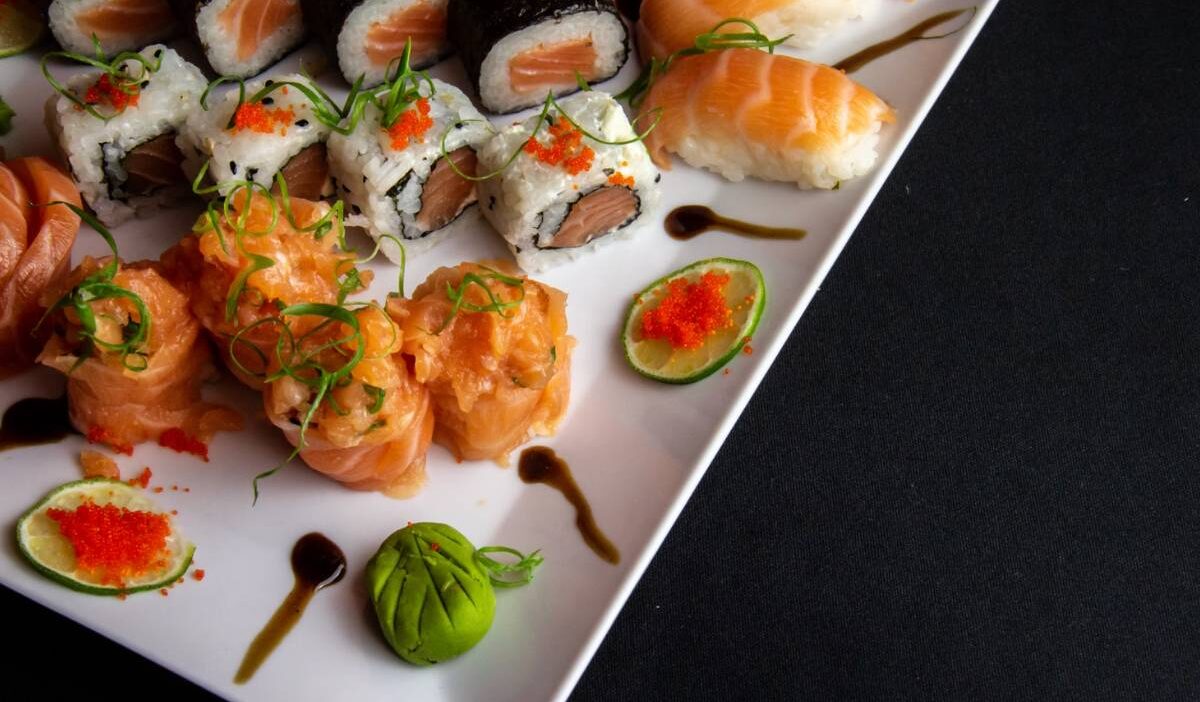
A sushi menu can look straightforward, yet is sushi gluten free often depends on details that are easy to miss. Rice and seafood may form the base, but sauces, seasonings, fillings, and preparation methods can change the final result.
Choosing safely requires looking beyond the roll’s name or appearance. The following sections break down common sushi types, ingredients that deserve closer attention, restaurant cross-contact, and practical ways to prepare or order a suitable meal.
1. Is Sushi Gluten Free?
Some sushi is naturally gluten-free, but not all types are safe for a gluten-free diet. Basic ingredients like fresh fish, vegetables, plain rice, and nori (seaweed) do not contain gluten. However, certain additions can introduce gluten.
Common gluten sources include:
- Sauces and marinades: Regular soy sauce, teriyaki sauce, and some eel sauces.
- Fried ingredients: Tempura, breaded seafood, and crunchy toppings.
- Imitation crab and seasoned rice: May contain gluten-containing ingredients or additives.
Simple sushi rolls and plain sashimi are often better choices when ingredients are verified. If you have celiac disease, also ask about cross-contact during preparation.
2. Which Types of Sushi Are Usually Gluten Free?
The safest choices tend to contain fewer ingredients and no sauces or fried components. The options below may be gluten-free when the rice seasoning and preparation area have been verified.
| Sushi Type | Why It May Be Gluten-Free | What to Check |
| Plain sashimi | Usually contains only sliced fish | Marinades and serving sauce |
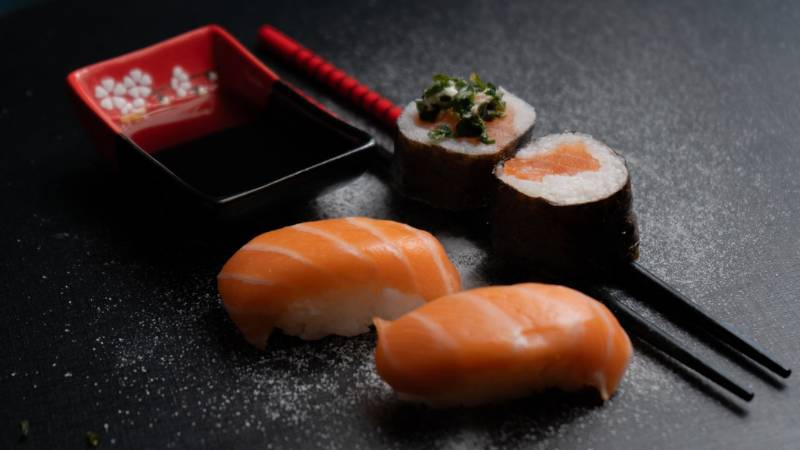
| Plain nigiri | Fish placed over sushi rice | Rice seasoning and brushed sauce |
| Cucumber roll | Simple vegetable and rice filling | Rice vinegar and shared tools |
| Avocado roll | Usually contains avocado, rice, and nori | Added sauces or seasoning |
| Tuna or salmon roll | May use plain raw fish | Spicy sauce, marinade, or soy sauce |
| Vegetable roll | Can contain naturally gluten-free produce | Tempura vegetables and sauces |
“Usually” does not mean guaranteed. Recipes vary by restaurant, and the same roll name may contain different sauces, seasonings, or imitation ingredients at another location.
3. Which Sushi Ingredients May Contain Gluten?
The question is sushi gluten free often depends on the smaller ingredients that do not appear in the menu name. Review these common sources:
- Soy sauce: Most conventional soy sauce contains wheat. Request gluten-free tamari or another clearly labeled alternative.
- Tempura: The batter commonly contains wheat flour, while shared frying oil may expose other foods to crumbs.
- Imitation crab: Surimi may include wheat starch or another gluten-containing binder.
- Eel sauce and teriyaki sauce: These often contain soy sauce and require separate verification.
- Marinated seafood: Tuna, salmon, eel, and other fillings may be seasoned with wheat-containing sauce.
- Crunchy toppings: These may come from tempura flakes, fried onions, or breaded ingredients.
- Spicy mixtures: Spicy tuna and similar fillings can include sauces with unclear ingredients.
- Sushi rice seasoning: Rice is naturally gluten-free, but added broth, sauce, or certain vinegar mixtures may change the result.
- Processed wasabi: Some prepared products contain starches, colors, or flavorings that require checking.
Sushi rice, soy sauce, imitation crab, marinades, and preparation methods should all be checked separately before eating.
For broader labeling standards, the FDA explains that a food carrying a gluten-free claim must meet defined ingredient and cross-contact requirements.
>>> Read more: Is Buckwheat Gluten Free? The Answer May Surprise You
4. Is Sushi Safe for People With Celiac Disease?
Yes, sushi can be safe for people with celiac disease if all ingredients are gluten-free and cross-contact is prevented. However, even plain fish, rice, and vegetables may be exposed to gluten during restaurant preparation.
Common cross-contact risks include:
- Shared equipment: Knives, cutting boards, and sushi mats used for gluten-containing ingredients.
- Handling practices: Gloves, utensils, or preparation surfaces contaminated with wheat-based sauces.
- Shared fryers: Tempura and other gluten-containing foods cooked in the same oil.
Before ordering, tell the restaurant staff you have celiac disease and ask about ingredients, sauces, and separate preparation procedures.
If the restaurant cannot prevent gluten cross-contact, choose another dining option.
5. How to Order Gluten-Free Sushi at a Restaurant
A few focused questions can help determine is sushi gluten free at a particular restaurant without turning the conversation into a review of the entire menu.
Follow this order:
- Explain the requirement: Tell the server that you need a gluten-free meal and must avoid cross-contact.
- Start with simple options: Ask about plain sashimi, nigiri, or rolls containing only fresh fish and vegetables.
- Verify the rice: Confirm which vinegar, broth, and seasonings are used.
- Check every sauce: Avoid conventional soy sauce, eel sauce, teriyaki, and unidentified marinades.
- Ask about imitation crab: Request real crab or another verified filling when surimi ingredients are unclear.
- Skip fried components: Avoid tempura, crunchy toppings, and food prepared in a shared fryer.
- Request clean tools: Ask for a clean board, knife, gloves, rolling mat, and serving plate.
- Bring or request gluten-free soy sauce: Do not assume the restaurant’s standard bottle is suitable.
If the server is unsure, ask whether the chef can confirm the ingredients. A plain order with fewer components is usually easier for the kitchen to prepare safely.
6. Can You Make Gluten-Free Sushi at Home?
Yes. Home preparation gives you direct control over ingredients and kitchen tools. Begin with plain rice, fresh seafood or vegetables, and nori carrying a clear ingredient list.
Check each packaged component before assembling the rolls:
- Use rice vinegar or another verified gluten-free seasoning.
- Choose gluten-free tamari instead of conventional soy sauce.
- Buy imitation crab only when it is clearly labeled gluten-free.
- Avoid unverified marinades, tempura flakes, and bottled sauces.
- Use clean knives, boards, mats, bowls, and measuring tools.
If wheat flour is used elsewhere in the kitchen, clean the work area before starting and keep gluten-free ingredients covered. Preparing plain fillings first also reduces the chance that sauce or crumbs will spread between rolls.
For raw fish, purchase seafood intended for raw consumption from a reputable supplier and follow safe refrigeration practices. Cooked fish, egg, tofu, and vegetables are alternatives when raw seafood is not preferred.
>>> Read more: Is Couscous Gluten Free? 6 Best Alternatives to Try
7. FAQs
Which Sushi Is Not Gluten-Free?
Tempura rolls, imitation-crab rolls, marinated eel, crunchy rolls, and sushi containing conventional soy or teriyaki sauce may contain gluten. Since recipes vary, is sushi gluten free should be checked with the restaurant rather than decided from the roll name alone.
Can I Eat Sushi if I Have Celiac Disease?
Yes, provided every ingredient is gluten-free and the restaurant prevents cross-contact. Confirm the rice seasoning, sauces, fillings, cutting board, knife, gloves, and rolling mat before ordering.
Does Sticky Rice Have Gluten?
No. Sticky rice, also called glutinous rice, is naturally gluten-free. The word “glutinous” describes its sticky texture, not gluten content, but seasonings or cross-contact can affect the finished dish.
8. Conclusion
The question is sushi gluten free? depends on the complete recipe and how it is prepared. Plain sashimi, simple nigiri, and basic vegetable or fish rolls may be suitable, while soy sauce, tempura, imitation crab, marinades, and specialty toppings require closer attention.
Check the ingredients, explain any medical restriction clearly, and ask for clean preparation tools. At home, verified products and a controlled workspace make gluten-free sushi much easier to prepare safely.