

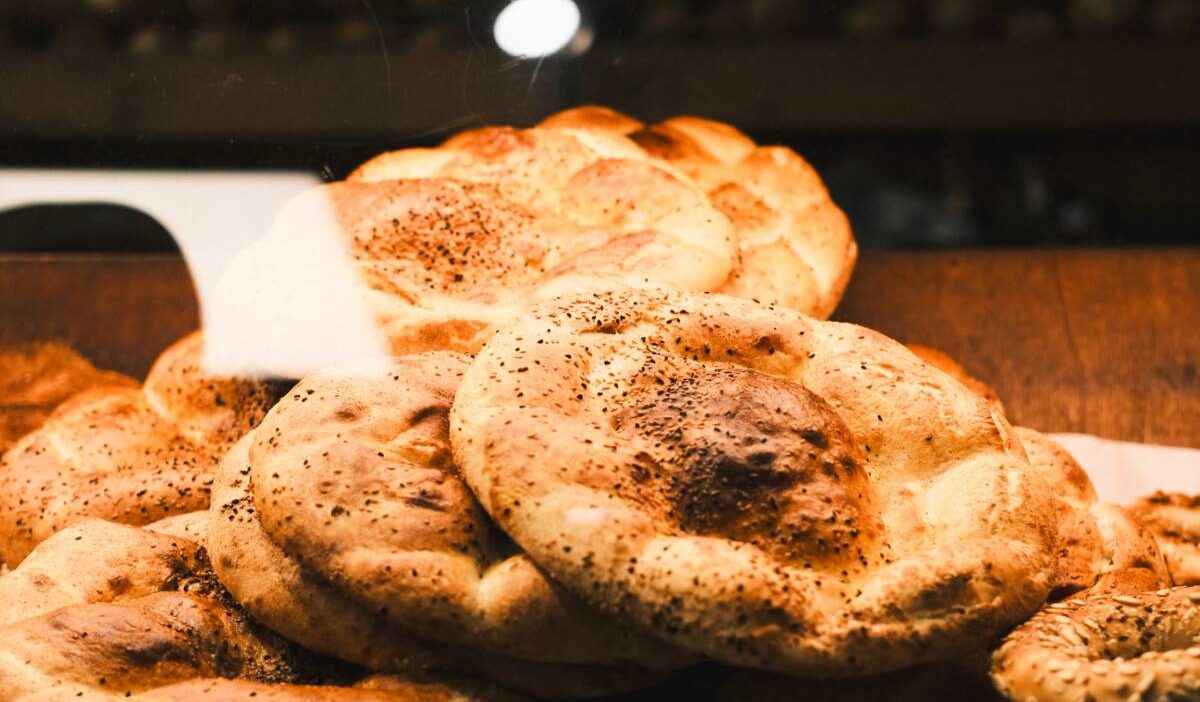
A warm pita works easily with dips, fillings, and Mediterranean meals, but is pita bread gluten free when it looks thinner and lighter than an ordinary loaf? Its shape does not reveal which grains were used or how it was prepared.
The ingredients, product label, and cooking environment all matter, especially for anyone with celiac disease or gluten sensitivity. The sections below clarify what traditional pita contains, how gluten-free versions differ, and which substitutes can serve the same purpose.
1. Is Pita Bread Gluten Free?
No. Traditional pita bread is not gluten-free because it is usually made with wheat flour. Wheat contains gluten, which gives the dough enough elasticity to stretch and form the familiar pocket as steam expands during baking.
The round shape, thin texture, or flatbread label does not change its gluten content. White, whole-wheat, and multigrain pita normally contain gluten unless the package or restaurant specifically identifies the product as gluten-free.
A suitable gluten-free pita must use alternative flours and be prepared without cross-contact. This distinction is particularly important for people with celiac disease, since removing visible crumbs or eating only the inside of a wheat pita does not make it safe.
2. What Is Pita Bread Made Of?
A basic pita recipe usually contains a short list of ingredients:
- Wheat flour: Provides gluten and gives the dough structure and flexibility
- Water: Hydrates the flour and helps form the dough
- Yeast: Produces gas that helps the pita inflate
- Salt: Adds flavor and supports dough development
- Oil or sugar: Optional ingredients used for softness, browning, or flavor
Wheat flour is the ingredient that makes traditional pita unsuitable for a gluten-free diet. Whole-wheat pita contains gluten too, even though it provides more fiber than pita made with refined flour.
Gluten-free pita replaces wheat with one or more alternative flours. It may also contain starches, psyllium husk, xanthan gum, or another binder to create the flexibility that gluten would normally provide.
Because those substitutions change the dough structure, gluten-free pita may be less stretchy, have a different flavor, or form a shallower pocket than traditional pita.
3. Are There Gluten-Free Pita Bread Options?
Yes, gluten-free pita bread is available both in stores and through homemade recipes. If you are still asking is pita bread gluten free, the product label provides a more dependable answer than its appearance.
Common ingredients include:
- Rice flour: Provides a mild flavor and light texture.
- Chickpea flour: Adds protein and a slightly nutty taste.
- Almond flour: Adds moisture and richness.
- Gluten-free oat flour: Helps create a softer texture.
Many recipes combine these flours with tapioca or potato starch for better flexibility.
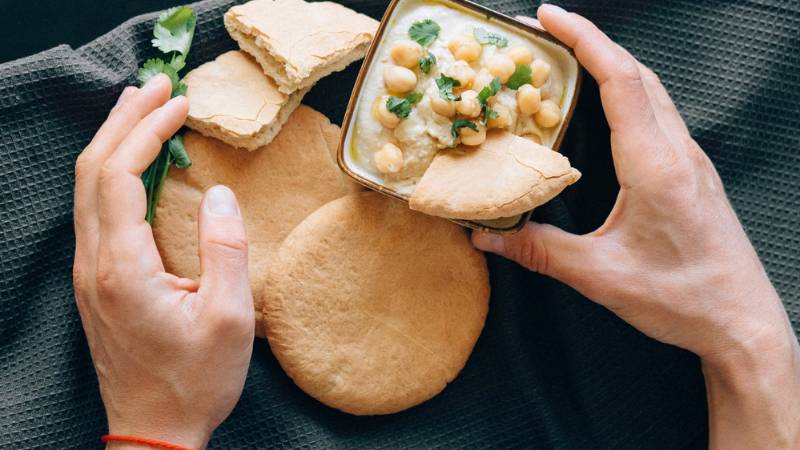
For store-bought pita, choose products labeled or certified gluten-free, especially if you have celiac disease. When baking at home, use verified gluten-free ingredients and clean equipment.
>>> You might be interested in: Is Sourdough Bread Gluten Free? Surprising Facts You Must Know
4. How to Tell If Pita Bread Is Gluten Free
Do not rely on terms such as natural, multigrain, low-carb, or wheat-free. Instead, work through this checklist:
- Find a gluten-free claim: In the United States, a product using this claim must meet the FDA’s gluten-free labeling requirements.
- Look for certification: A recognized third-party symbol may offer additional confidence for strict gluten avoidance.
- Read the complete ingredient list: Avoid wheat, barley, rye, malt, and ingredients derived from these grains unless the product clearly meets gluten-free requirements.
- Check the allergen statement: “Contains wheat” immediately rules out ordinary pita for a gluten-free diet.
- Do not equate wheat-free with gluten-free: A wheat-free product could still contain barley, rye, malt, or cross-contact from another source.
- Ask restaurant staff: Confirm which flour is used and whether the pita is stored separately.
- Check preparation practices: Shared ovens, pans, counters, knives, and warming baskets can transfer crumbs or flour.
- Verify packaged substitutes: Corn, oat, chickpea, and rice ingredients can also encounter gluten during processing.
For celiac disease, vague answers such as “made without wheat” are not enough. Choose a clearly identified product with preparation practices you can verify.
5. What is a Good Substitute for Pita Bread?
When is pita bread gluten free cannot be confirmed, another wrap or base may serve the same purpose:
| Alternative | Best Use | What to Check |
| Gluten-free flatbread | Dips, gyros, and Mediterranean plates | Labeling and shared baking equipment |
| Corn tortillas | Folded sandwiches and grilled fillings | No added wheat flour |
| Rice-based wraps | Light sandwiches and cold fillings | Softening instructions and certification |
| Lettuce wraps | Fresh fillings and lower-carb meals | Clean preparation surfaces |
If you don’t have time to follow a gluten-free pita bread recipe, gluten-free flatbread is the closest substitute for dipping into hummus or serving alongside grilled meat.
Corn tortillas and rice wraps work better for rolled fillings, while sturdy lettuce leaves offer a fresh alternative when bread-like texture isn’t necessary.
>>> Read More: Is Sourdough Bread Gluten Free? Surprising Facts You Must Know
6. FAQs
What Bread Is Naturally Gluten-Free?
Bread made entirely from gluten-free ingredients such as rice, corn, buckwheat, sorghum, or certified gluten-free oats can be gluten-free. The finished product must also avoid cross-contact during production.
Is Pita Bread Gut Friendly?
Traditional pita may suit some people, and whole-wheat versions provide fiber. However, when considering is pita bread gluten free, remember that regular pita is unsuitable for celiac disease, while wheat or certain carbohydrates may also trouble people with other digestive conditions.
Which Bread Is the Least Gluten?
Gluten content varies by flour and recipe, but low-gluten bread is not safe for celiac disease. Anyone who must avoid gluten needs bread labeled gluten-free rather than a wheat bread marketed as containing less gluten.
7. Conclusion
The final verdict on is pita bread gluten free depends on the recipe. Traditional pita is not because wheat flour is its main ingredient, while specially prepared versions can use rice, chickpea, almond, or certified gluten-free oat flour instead.
Check the label and ingredient list before buying. When eating out, ask about shared ovens, utensils, and preparation surfaces because cross-contact can make an otherwise gluten-free pita unsuitable for people with celiac disease.